
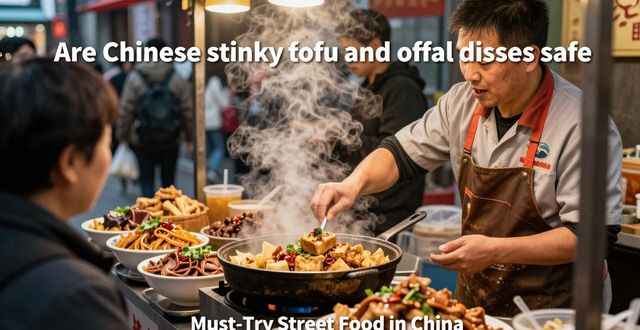
When traveling through China, the endless variety of street food is a cultural experience you simply cannot miss. From sizzling breakfast pancakes to spicy skewers at midnight, these humble snacks tell stories of regional traditions, family recipes, and daily life. Understanding popular street food in China helps you eat like a local, save money, and discover authentic flavors beyond restaurant menus.
Jianbing the Chinese Breakfast Crepe
Jianbing is arguably the most beloved morning street food across northern China. Vendors pour mung bean batter onto a hot circular griddle, crack an egg, and sprinkle scallions and cilantro. Then comes a crispy fried cracker, savory sauce, and chili paste before folding everything into a warm parcel. Watching the 30-second making process is entertainment in itself. Locals line up for this 5-10 RMB breakfast because it’s filling, healthy compared to fried dough, and packed with texture. For foreigners, jianbing offers a gentle introduction to Chinese street food – familiar like a crepe but uniquely Chinese with its fermented bean paste and crunchy bite.
What makes Chinese BBQ skewers so addictive
Walk down any evening food street and you’ll smell the smoky aroma of chuan’r, or Chinese BBQ skewers. Vendors grill lamb, beef, chicken wings, squid, even tofu and vegetables over charcoal, brushing them with a spice blend of cumin, chili, and secret seasonings. The magic lies in the fat rendering over flames, creating crispy edges while keeping meat juicy inside. Each skewer costs just 3-10 RMB, encouraging you to try ten different items in one sitting. For foreigners nervous about spice, ask for “bu la” (not spicy) – but the mild version still delivers incredible umami. These skewers originated in Xinjiang but now every city has its own style, from sweet Cantonese honey-glazed to numbing Sichuan peppercorn versions.

Are Chinese stinky tofu and offal dishes safe
Many travelers hesitate at strong-smelling foods like chou doufu (stinky tofu) or spicy duck necks. The truth is, China’s street vendors operate under increasing hygiene regulations, and busy stalls with high turnover are perfectly safe. Stinky tofu ferments in brine for months, then deep-fries to a crispy exterior with a soft, pudding-like inside. The smell dissipates once you add pickled vegetables and chili sauce. Offal dishes like lamb spine or braised beef tendon showcase China’s nose-to-tail cooking philosophy. Choose stalls with long local lines, watch for clean cooking surfaces, and avoid anything sitting at room temperature for hours. Millions of Chinese eat these daily without issues – your stomach just needs an adventurous spirit.
How to find the best local street food spots
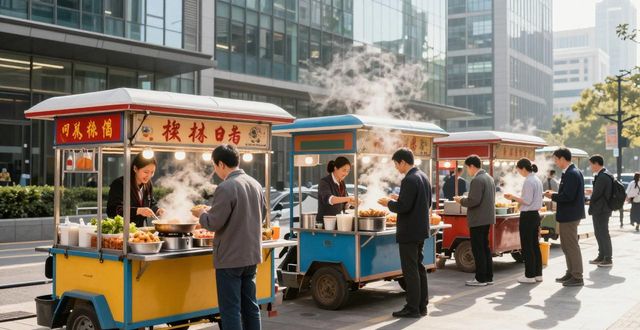
Skip the tourist night markets with inflated prices and generic offerings. Instead, look for clusters of three-wheeled carts near office buildings at lunchtime – workers vote with their wallets. Another tip: search for “breakfast alley” (zaocan jie) in smaller hutong lanes, where grandmas have sold the same tofu pudding or fried dough sticks for decades. Use food apps like Dianping to see real-time ratings, though pointing at photos on your phone works too. The best time for grilled items is between 7-9 PM when vendors just lit their coals. Remember that many iconic street foods like baozi (steamed buns) or jiaozi (dumplings) appear simple but require years of practice to perfect the dough-to-filling ratio. Don’t be shy – gesture, smile,and watch how locals eat.
What’s the one Chinese street food you’re most excited to try, and what makes you curious or nervous about it? Drop your thoughts below, share this guide with fellow food lovers, and let’s start a conversation about real eats in China.