
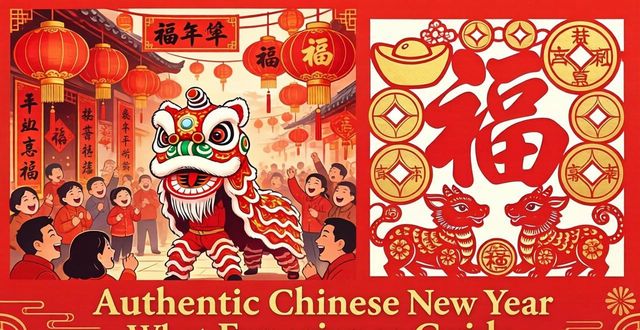
Chinese New Year, also known as the Lunar New Year, is far more than just fireworks and red envelopes. As someone who has celebrated this festival for decades, I can tell you that the real experience is deeply rooted in family, food, and ancient customs. From the frantic last-minute shopping to the quiet moments of ancestor worship, every activity carries a meaning. For foreigners visiting or living in China, understanding what actually happens during these 15 days can turn a confusing holiday into an unforgettable journey. Let me walk you through the authentic experience step by step.
Traditional Preparations Before the New Year
The magic begins at least one week before the eve. Families start with a thorough house cleaning,sweeping away any bad luck from the past year. But be careful – after New Year’s Day, sweeping is forbidden because you might sweep away the newly arrived good fortune. Then comes the decorating. Every door gets a pair of red couplets with poetic wishes written in black ink. The character “福” (fu), meaning fortune, is pasted upside down on the front door. Why upside down? Because the Chinese word for “upside down” sounds like “arrive,” so an upside-down fu means “fortune arrives.” You will also see red lanterns, paper cuttings, and images of the year’s zodiac animal.
Must-Try Foods During Lunar New Year
No Chinese New Year experience is complete without the reunion dinner on the eve. This is the most important meal of the entire year, and family members travel across the country to be home. In northern China, dumplings shaped like ancient silver ingots are the star. Families hide a coin inside one dumpling – whoever finds it will have extraordinary luck all year. In southern regions, you will find sticky rice cakes called nian gao, which symbolizes raising oneself to higher achievements each year. Fish is always served whole, with the head facing the elders, and you must leave some leftover to ensure surplus every year. Long noodles represent a long life, so never cut them before eating.

Lucky Traditions and What to Avoid
The first day of the new year sets the tone for the next twelve months. Married couples give red envelopes filled with crisp new banknotes to children and unmarried adults. The amount should never contain the number four, because “four” sounds like “death” in Chinese. Instead, numbers like six and eight are highly prized because they sound like “smooth” and “wealth.” You should also wear new clothes, ideally in red, which scares away the mythical beast Nian. But there are strict taboos: don’t use sharp objects like scissors or knives on New Year’s Day, as they cut off your luck. Never ask for medicine or mention death. And if you break a bowl, quickly say “sui sui ping an” – the phrase sounds like “broken” but actually means “peace year after year.”
How Foreigners Can Join the Celebrations
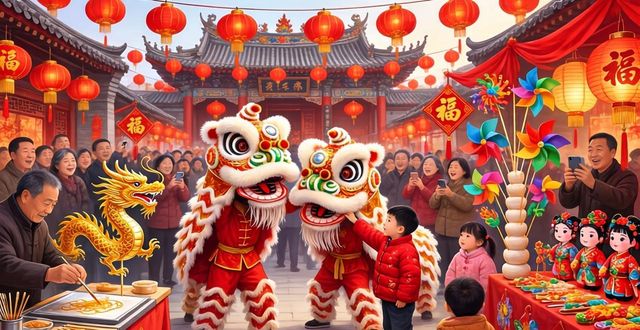
If you are a traveler in China during this time, you are not excluded from the fun. Many cities organize temple fairs where you can watch lion dances, try sugar paintings, and buy traditional toys. The lion dancers will often let children pat the lion’s head for good luck. You can also visit a local family’s home if invited – bring a small gift like fruit or tea, but never clocks or umbrellas as they symbolize separation. Learn to say “Xin Nian Kuai Le” (Happy New Year) and “Gong Xi Fa Cai” (Wishing you wealth). Most importantly, download the WeChat app because digital red envelopes are now a huge part of the experience. People send random amounts to group chats, and the person who grabs the most is considered extra lucky.
After reading this, which part of the Chinese New Year experience would you be most excited to try yourself? Share your thoughts in the comments below, and don’t forget to like and share this guide with fellow travelers