
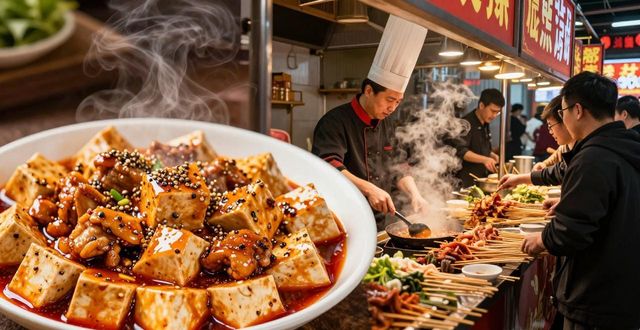
China is a paradise for food lovers, and embarking on a China food tour offers an unforgettable journey through centuries of culinary tradition. From the spicy hotpots of Sichuan to the delicate dim sum of Guangdong, every region tells a story through its unique flavors and cooking techniques. This guide will help you navigate the best food experiences across the country, answer your most pressing questions, and ensure you taste the authentic heart of Chinese cuisine.
What to eat on a China food tour
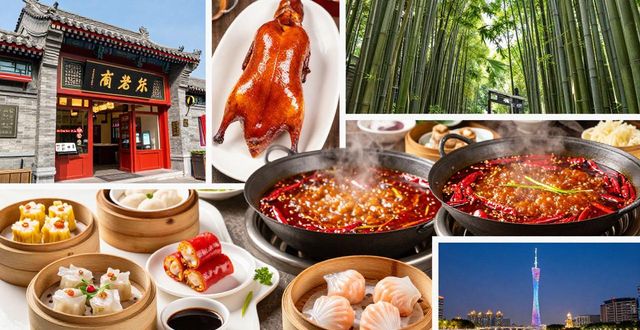
When planning a China food tour, you simply cannot miss Peking duck. The crispy skin, tender meat, and thin pancakes with sweet bean sauce create a harmony of textures that has made this dish world-famous. Head to a traditional restaurant in Beijing like Quanjude or Da Dong, where chefs slice the duck right at your table. Another must-try is Xiaolongbao, soup dumplings from Shanghai, filled with pork and rich broth that bursts in your mouth.
Beyond these classics, explore regional specialties like Lanzhou hand-pulled noodles, where you can watch the chef stretch dough into hundreds of thin strands in seconds. In Xi’an, sample the famous roujiamo, often called the Chinese hamburger,with spiced pork stuffed into a crispy flatbread. And don’t leave without trying hot pot—choose your broth base, dip raw meats and vegetables, and cook them at your table for a social, interactive meal.
Best cities for food in China

Chengdu is undoubtedly the capital of spicy cuisine, and every China food tour should include at least two days here. The city’s mapo tofu, kung pao chicken, and countless street stalls serving chuanchuan (skewers) will challenge and delight your palate. Take a cooking class to learn how to balance the numbing Sichuan peppercorn with chili oil, then visit the bustling Jinli Ancient Street for evening snacks.
Guangzhou offers a completely different experience with its refined Cantonese cooking. Morning tea, or yum cha, is a ritual where pushcarts deliver steaming baskets of shrimp dumplings, pork buns, and rice rolls. For a true local adventure, head to Shanghai’s Yunnan Road Food Market or the French Concession’s hidden noodle shops. Other top cities include Xi’an for Muslim-influenced street food and Hong Kong for its fusion of East and West.
How to find authentic street food
Authentic street food is the soul of any China food tour, but finding it requires a few insider tricks. First, look for stalls with long queues of local office workers or elderly residents—they know where the quality is. Avoid places with laminated menus in multiple languages or staff aggressively calling you in. Instead, wander into residential alleyways (hutong in Beijing, longtang in Shanghai) during lunch or dinner rush hours.
Second, observe hygiene practices. Popular stalls are usually busy enough that ingredients don’t sit out for long. Watch for vendors who cook fresh to order, use separate utensils for raw and cooked items, and maintain a clean work surface. Start with cooked items like jianbing (savory crepes), lamb skewers, or fried dumplings before trying raw or cold dishes. Finally, learn a few phrases in Mandarin: “zhe ge duo shao qian?” (how much is this?) and “bu la” (not spicy) will be incredibly useful.
Is Chinese food spicy everywhere
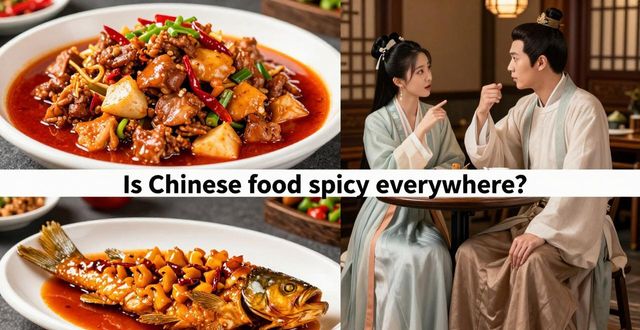
No, and this is a common misconception that worries many travelers before their China food tour. While Sichuan and Hunan provinces are famous for their fiery dishes, vast regions like Guangdong, Jiangsu, and Zhejiang prefer mild, sweet, or fresh flavors. Cantonese cuisine emphasizes the original taste of ingredients, using light steaming and gentle sauces. Shanghai’s food leans toward sweet and savory, with dishes like “red-braised pork” cooked slowly in soy sauce and sugar.
Even within spicy regions, you can always ask for “bu la” (no spice) or “wei la” (a little spice). Many restaurants offer non-spicy versions of their signature dishes. For example, hot pot places provide clear broth options alongside spicy ones. If you’re concerned about heat, start in the south and move north gradually. Cities like Beijing have diverse menus ranging from mild noodles to spicy mapo tofu. The key is communication—learn a few spice-related words and don’t be shy to request adjustments.
What are the must-try dishes on a China food tour
You need to try at least ten iconic dishes to truly appreciate a China food tour. Start with Peking duck, then move to Xiaolongbao (soup dumplings) from Shanghai. Hot pot is non-negotiable—choose Chongqing-style for a numbing, oily broth or Beijing-style for a milder sesame-based dip. Mapo tofu from Sichuan combines silky bean curd with minced pork and fermented bean paste. For noodles, dan dan noodles (spicy sesame noodles) and Lanzhou beef noodles are essential.
Don’t overlook breakfast foods: jianbing (crispy crepe with egg and cracker), youtiao (fried dough sticks), and congee with preserved eggs. Street snacks like stinky tofu (surprisingly delicious after the first bite), roujiamo (Chinese burger), and sugar-coated hawthorn skewers add variety. Finally, end your tour with dessert: tangyuan (sweet rice balls) in ginger syrup, or mango pomelo sago from a Hong Kong-style dessert shop. Keep a list and check off each dish as you go—this turns eating into an adventure.
How to join a food tour in China
Joining an organized food tour is the easiest way for first-time visitors to navigate unfamiliar streets and language barriers. Many companies offer small-group walks through local night markets, hidden family-owned shops, and restaurant kitchens. Look for tours on platforms like Viator, GetYourGuide, or China-specific apps like . Prices range from $30 to $100 per person, typically including 8–10 tastings and a local English-speaking guide.
Alternatively, you can create your own self-guided China food tour using food apps. Dianping (the Chinese Yelp) shows user ratings and photos—look for restaurants with 4 stars or above from at least 100 reviews. Meituan and Ele.me are delivery apps, but you can browse their top-ranked dishes to discover popular spots. In major cities, consider hiring a private food guide through services like Travel China Guide or by asking your hotel concierge. Remember to book ahead for popular experiences, especially during Chinese holidays like National Day week in October.
Have you ever tried a dish that completely changed your perception of a country’s cuisine? Share your most unforgettable China food tour moment in the comments below—and don’t forget to hit like and share this guide with your fellow foodie travelers