

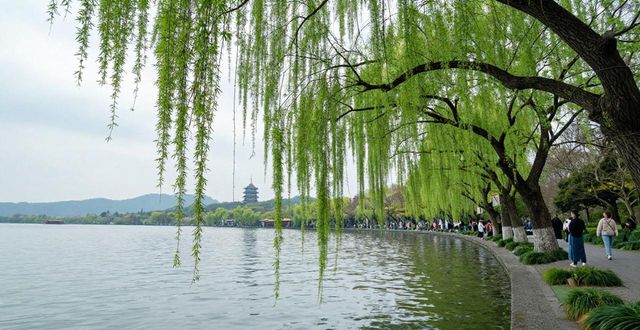
West Lake in Hangzhou, China, is famous for many things, but its weeping willows are truly unforgettable. These graceful trees line the lake’s shores, their long branches swaying gently over the water. For centuries, poets and painters have celebrated the willows as a symbol of elegance and sorrow. If you are planning a trip to China, understanding why these willows matter will deepen your experience. This guide explains their fame, the best time to visit, how to enjoy them like a local, their cultural meaning, and where to take stunning photos.
Why West Lake willows are world famous
The willows of West Lake are not just ordinary trees. They are part of a living painting that changes with every season. Historically, the lake’s ten best-known views include “Orioles Singing in the Willows,” a scene where yellow birds chirp among swaying branches. This image has been praised in Chinese poetry for over a thousand years. Travelers from all over the world come to see the willows because they represent the perfect harmony between nature and human design. Every twist of a branch tells a story of ancient gardens and careful planning.
Unlike wild willows, those at West Lake have been shaped by generations of gardeners. Their placement along winding paths and arched bridges creates a sense of balance and surprise. Foreign visitors often say the willows feel like something from a dream. The reflection of green leaves on the water, mixed with the distant hills, makes for a peaceful escape from busy city life. No wonder they have become a global icon of Chinese landscape artistry.

Best time to see West Lake willows
Timing your visit is crucial if you want to see the willows at their peak beauty. Early spring, from late February to April, is when the trees produce fresh, bright green leaves. The new growth contrasts beautifully with the pink blossoms of peach trees planted nearby. This combination is a favorite subject for photographers. The weather during this period is mild, with occasional drizzle that adds a misty, poetic layer to the scenery. Many locals say spring mornings are the best, as the rising sun lights up the dew on the leaves.
Another excellent time is autumn, from October to early November. The willows remain green but take on a slightly golden hue under the soft autumn light. The crowds are smaller than in spring, and the air is crisp and clear. Avoid summer if you dislike heat and humidity, because the willows still look lovely but the lake area becomes hot and crowded. Winter also has its charm; after a rare snowfall, the bare branches dusted with white create a serene, ink-painting effect. For most travelers, spring offers the most vibrant and iconic willow experience.
How to enjoy West Lake willows like a local

Do not just take a quick photo and leave. Locals know that the best way to appreciate the willows is to slow down. Rent a bicycle or simply walk along the Bai Causeway and Su Causeway, two man-made paths that cross the lake. These causeways are lined with willows on both sides, and walking them takes about an hour each. Stop on a stone bench, watch the boats drift by,and listen for orioles singing above. Many Hangzhou residents start their day with a tai chi session under the willows, and you are welcome to join or just observe.
Another local secret is to take a wooden boat ride at sunset. The boatmen often know the quietest spots where willow branches dip into the water. As the sun turns the sky orange and pink, the willows become dark silhouettes, creating a magical contrast. Bring a cup of Longjing tea, which is grown in the hills near West Lake. Sipping tea while floating under the willows is an experience that connects you to centuries of Chinese leisure culture. Avoid the crowded Broken Bridge area if you want peace; instead, explore the less visited southern shore.
Cultural meaning of willows in China
In Chinese culture, the willow is much more than a beautiful tree. Its name in Chinese, “liu,” sounds like the word for “to stay” or “to part.” Because of this, willow branches were traditionally given as gifts when friends or lovers said goodbye. People believed that offering a willow branch would express the wish for the other person to stay, or at least to remember the one left behind. Many ancient poems mention breaking a willow twig at a farewell ceremony. This tradition makes the willows of West Lake especially emotional.
The willow also represents resilience and flexibility. Its branches bend in the wind but do not break, teaching a lesson about surviving hard times. In Chinese painting, willows are often shown beside a moon or a pavilion, symbolizing a gentle and thoughtful character. For foreign visitors, understanding this meaning turns a simple walk by the lake into a cultural journey. When you see how locals gently touch the hanging branches as they pass, you realize these trees are living symbols of history, love, and hope.
Top spots for West Lake willows photography
To capture the best willow photos, head to the Fisherman’s Village scenic area on the eastern shore. Here, the willows frame classic Chinese bridges and pagodas. Early morning light, just after sunrise, gives the softest shadows and the most vivid colors. Use a wide-angle lens to include both the foreground branches and the distant hills. Another famous spot is the Leifeng Pagoda viewpoint. From the pagoda’s top, you can look down on a sea of willow tops spreading along the lake’s edge, creating a textured green carpet.
For a more intimate shot, visit the small island called Solitary Hill. A hidden path on the north side leads to a single ancient willow that has grown into a dramatic shape over 200 years. Photographers love its twisted trunk and the way it leans out over the water. During golden hour, the reflections make symmetrical compositions possible. If you want people in your photos, wait near the Yue Fei Temple at dusk when local elders gather under the willows to play music. The combination of human activity and natural beauty tells a complete story of West Lake.
Have you ever stood beneath a weeping willow and felt transported to another time? Share your favorite willow memory or travel plan in the comments below, and do not forget to like and share this guide with fellow nature lovers.