
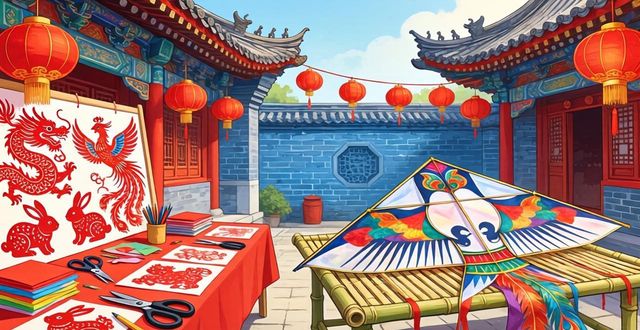
Chinese culture educational activities offer foreigners a unique gateway to understanding one of the world’s oldest continuous civilizations. From calligraphy workshops to tea ceremonies, these hands-on experiences go beyond textbook learning and let you truly feel the traditions. In this guide, I’ll share practical insights on how to engage with Chinese culture meaningfully, based on years of helping international visitors and expats discover its richness.
What are the most popular Chinese culture educational activities
If you’re new to this journey, start with calligraphy and brush painting classes. These activities teach you not just artistic skills but also the philosophy of patience and harmony behind each stroke. Many cultural centers in major cities like Beijing and Shanghai offer two-hour sessions where you can practice writing simple characters like “harmony” (和) or “dragon” (龙). Another favorite is the traditional tea ceremony, which introduces you to different tea types such as oolong, pu’er, and jasmine. During the ceremony, you’ll learn the proper way to brew, serve, and appreciate tea—a daily ritual that reflects Chinese values of respect and mindfulness.

Paper cutting and kite making are also highly accessible for beginners. Paper cutting uses just red paper and scissors to create intricate designs like the Chinese zodiac animals, and it’s often taught during festivals like the Lunar New Year. Kite making, especially popular in Weifang (the “kite capital”), combines craftsmanship with outdoor fun. These activities are widely available through community centers, museums, and even online platforms that send you kits with video tutorials. For a deeper dive, consider martial arts like tai chi or kung fu, which blend physical movement with ancient philosophical concepts. Local parks in China often have free morning tai chi groups, and many temples offer short courses for foreigners.
How can hands-on workshops deepen your understanding of Chinese traditions
Hands-on workshops help you move from passive observation to active participation, which is key to cultural immersion. For example, when you make dumplings from scratch, you’re not just learning a recipe—you’re experiencing the family bonding and festive spirit that surrounds this food during the Spring Festival. Workshops often include storytelling about why dumplings symbolize wealth and how different regions have their own folding styles. Similarly, participating in a lantern-making workshop before the Mid-Autumn Festival connects you to the legend of Chang’e and the tradition of moon gazing. You’ll leave with a lantern you made yourself, along with memories that no documentary can replace.
Another powerful example is learning traditional music instruments like the guzheng (zither) or erhu (two-stringed fiddle). Many cultural institutions offer trial lessons where you can play simple melodies within an hour. These workshops usually start with the instrument’s history and its role in Chinese opera or folk tales. By physically plucking the strings or bowing the erhu, you gain a felt understanding of pentatonic scales and the emotional range of Chinese music. Furthermore, calligraphy workshops that let you grind your own ink stick on an ink stone teach you the value of preparation and stillness. Such tactile experiences create lasting neural connections, making abstract concepts like “qi” (life energy) suddenly tangible.
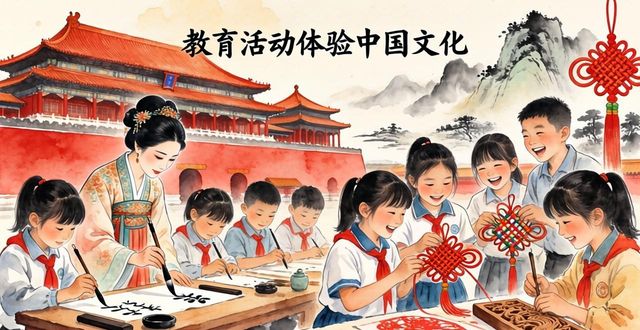
Why should you combine language learning with cultural activities
Combining language learning with cultural activities accelerates your progress in both areas simultaneously. When you take a cooking class taught in Mandarin, you naturally pick up vocabulary for ingredients like soy sauce (酱油, jiàngyóu) and verbs like stir-fry (炒, chǎo). Because you’re using the words in a real context, you retain them far better than memorizing flashcards. Many language schools in China now offer integrated programs, such as “Kung Fu Chinese,” where you learn commands like “kick” (踢, tī) and “punch” (打, dǎ) while practicing martial arts. This approach keeps you engaged and reduces the frustration of rote learning.
Moreover, cultural activities provide endless opportunities to practice polite expressions and social etiquette. During a tea ceremony, you’ll hear phrases like “Please have tea” (请喝茶, qǐng hē chá) and learn when to tap the table with two fingers to thank the server—a gesture rooted in imperial history. Participating in a Chinese chess (xiangqi) workshop teaches you numbers, directions, and strategic vocabulary. Without realizing it, you’re having conversations about moves and tactics. For advanced learners, joining a poetry recitation or calligraphy club lets you discuss aesthetics and history in Chinese. This synergy between language and culture makes your learning efficient and enjoyable, turning every activity into a living textbook.
Where can you find authentic Chinese culture educational activities abroad
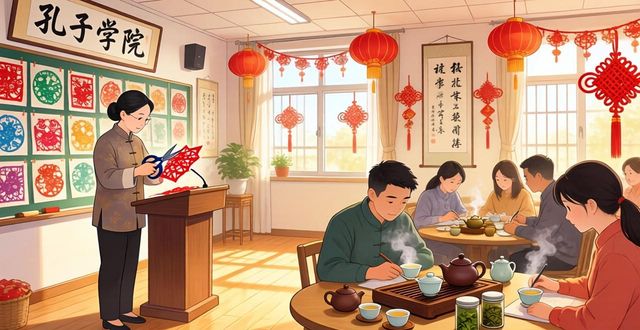
You don’t need to travel to China to enjoy high-quality Chinese culture educational activities. Confucius Institutes, located in over 160 countries, regularly host free or low-cost workshops on paper cutting, tea, calligraphy, and festivals. Check their websites for monthly schedules; many also offer online sessions with live instructors. Local Chinese community associations and temples in cities with Chinatowns—like San Francisco, London, or Sydney—often hold open houses during Lunar New Year or Mid-Autumn Festival. These events welcome outsiders and usually include hands-on stations. University Asian studies departments also run public outreach programs, from film screenings with Q&As to dumpling-making nights.
For virtual options, platforms like Culture Yard (based in Beijing) offer live-streamed calligraphy and cooking classes tailored to global audiences. YouTube channels such as “Chinese Cooking Demystified” and “Peggy’s Tea Talk” provide free step-by-step tutorials, and many instructors are happy to answer questions in the comments. Another hidden gem is the “China Cultural Center” network, officially operated by the Chinese government, which has branches in Paris, Cairo, Tokyo, and other major cities. They organize seasonal activities like lantern riddles for the Lantern Festival or tai chi in the park. Finally, don’t overlook local museums—many have Chinese art sections that host family days with hands-on craft tables. With a little research online or by asking at nearby libraries, you’ll likely find something within an hour of your home.
Now, I’d love to hear from you: What single Chinese cultural activity are you most excited to try,and what’s holding you back from signing up today? Share your thoughts in the comments—your story might inspire someone else to begin their own journey. And if you found this guide helpful, please give it a like and share it with friends who are curious about China!