
Chinese New Year is a time of joy, family reunions, and rich traditions. Among the most cherished customs is the food—each dish carries deep symbolic meanings of luck, prosperity, and health. For those new to this celebration, understanding these foods can turn a simple meal into a meaningful cultural experience. From dumplings to whole fish, every bite tells a story.
What are the essential dishes for Chinese New Year
The centerpiece of any Chinese New Year Eve dinner is a carefully planned set of dishes. A whole fish is always served, but never finished—leaving leftovers symbolizes surplus wealth for the coming year. Dumplings shaped like ancient silver ingots represent monetary fortune, while spring rolls resemble gold bars and bring prosperity. Long noodles, uncut during cooking, stand for a long life. Each dish is chosen not just for taste but for the wish it carries.

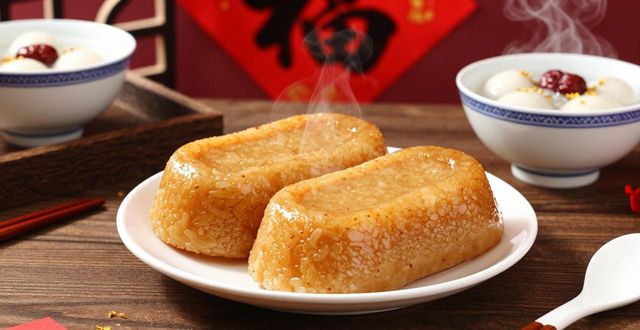
Many families also include a sticky rice cake called nian gao, whose name sounds like “year high,” meaning rising success. Glutinous rice balls with sweet fillings are another essential, symbolizing family togetherness and completeness. These dishes vary by region, but their core purpose is the same: to start the new year with positive energy and good luck. For foreigners, trying even one of these foods can be a delicious way to connect with Chinese culture.
Why is fish a symbol of prosperity
Fish, or “yu” in Chinese, sounds exactly like the word for surplus or extra. That’s why serving a whole fish—head and tail attached—represents a good beginning and ending to the year. The fish is usually steamed with ginger and scallions, then topped with hot oil and soy sauce. It’s placed on the table facing the most honored guest or the eldest family member. After dinner, the leftover fish is stored overnight, signifying that wealth will carry over into the new year.
In northern China, carp is common because its name sounds like “beneficial gifts.” In the south, people prefer catfish, which sounds like “year after year surplus.” Some families even prepare two fish: one eaten on New Year’s Eve and another saved for the first day of the new year. This tradition is so strong that no festive meal feels complete without a whole fish. For visitors, sharing this dish is a way to receive blessings directly from the host.
How do dumplings represent wealth and reunion
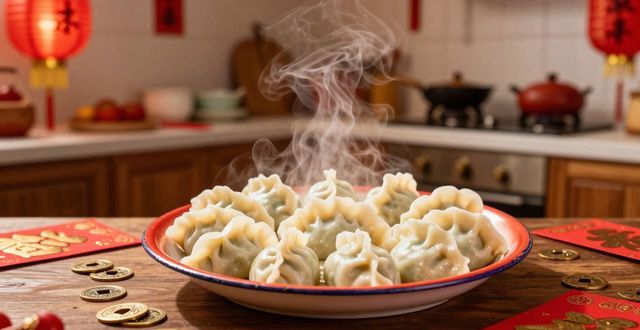
Dumplings are the quintessential northern Chinese New Year food, especially during the midnight countdown. Their shape mimics the gold ingots used as currency in ancient China. Families gather to wrap fillings of pork, cabbage, or shrimp inside thin dough. Often, a lucky coin or peanut is hidden inside one dumpling—whoever finds it will have extra good fortune in the coming months. Eating dumplings at the stroke of midnight is believed to exchange the old year’s troubles for new wealth.
The preparation itself is a family activity that strengthens bonds. Grandparents teach grandchildren how to pleat the edges, laughing as some dumplings turn out lumpy. Boiling them makes the skins translucent, revealing the colorful fillings. Dip them in black vinegar and chili oil for a perfect bite. Unlike everyday dumplings, New Year’s ones are never served without the symbolic coin or a sweet date inside. This combination of taste, luck, and togetherness makes dumplings a beloved tradition.
Which sweet treats bring good fortune
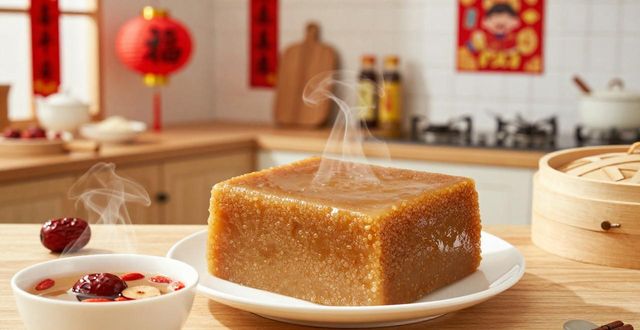
Nian gao, or sticky rice cake, is the most popular sweet for Lunar New Year. Its name sounds like “getting higher year by year,” referring to children’s growth, career promotions, or rising grades. Made from glutinous rice flour and brown sugar, it’s steamed until soft and chewy. Some families slice it, dip in egg, and pan-fry until crispy outside. The stickiness also symbolizes family members sticking together, never drifting apart throughout the year.
Another lucky sweet is the round tangyuan—glutinous rice balls filled with black sesame, peanut,or red bean paste. Served in a warm ginger soup, they represent reunion and harmony because of their perfect circle shape. These are often eaten on the fifteenth day of the new year during the Lantern Festival. Candied fruits and lotus seeds are also offered to guests, bringing sweetness and fertility. For those with a sweet tooth, enjoying these treats is a direct way to taste good luck.
What is your favorite symbolic food from your own culture, and how does it compare to these Chinese New Year dishes? Share your thoughts in the comments below, and don’t forget to like and share this article with friends who love food and culture!