
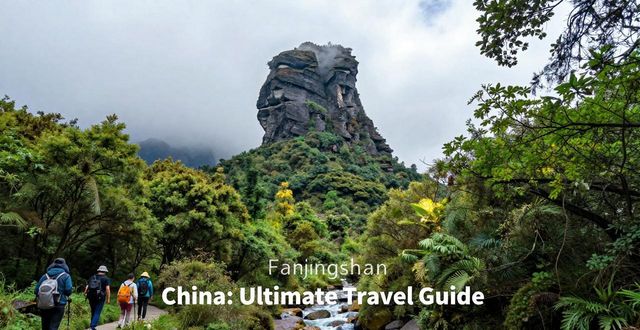
Fanjingshan, or Mount Fanjing, is one of China’s most breathtaking natural and cultural treasures. Located in Tongren City, Guizhou Province, this UNESCO World Heritage Site is famous for its dramatic stone pillars, ancient Buddhist temples perched on cliffs, and incredible biodiversity. For travelers seeking an off-the-beaten-path adventure, Fanjingshan offers a unique mix of spiritual history, hiking challenges, and stunning mountain views. This guide covers everything you need to know – from why it’s a World Heritage Site to how to get there, the best time to visit, and what to expect when climbing the iconic Red Clouds Golden Summit.
Why is Fanjingshan a UNESCO World Heritage Site?

Fanjingshan was inscribed as a UNESCO World Heritage Site in 2018 for its outstanding natural beauty and ecological importance. It is home to over 2,000 plant species and many rare animals, including the endangered Guizhou golden monkey and the Fanjingshan fir tree, which grows nowhere else on Earth. The mountain’s isolation for millions of years has allowed unique species to evolve. Beyond nature, the site also contains sacred Buddhist structures dating back to the Ming and Qing dynasties. This combination of irreplaceable wildlife and cultural heritage makes Fanjingshan a global priority for conservation.
How to Get to Fanjingshan from Major Cities?
Reaching Fanjingshan requires some planning but is absolutely doable. The nearest airport is Tongren Fenghuang Airport, which has flights from major hubs like Shanghai, Guangzhou, and Beijing. From the airport, take a shuttle or taxi to the Fanjingshan visitor center (about 1.5 hours). Alternatively, take a high-speed train to Tongren Railway Station, then a direct bus to the mountain (2 hours). Many foreign travelers also fly into Guiyang, the capital of Guizhou,then take a 2-hour train to Tongren. Once at the visitor center, shuttle buses will take you to the cable car base. Remember to book tickets online in advance – especially during peak seasons – as daily visitor numbers are capped.
What is the Best Time to Visit Fanjingshan?
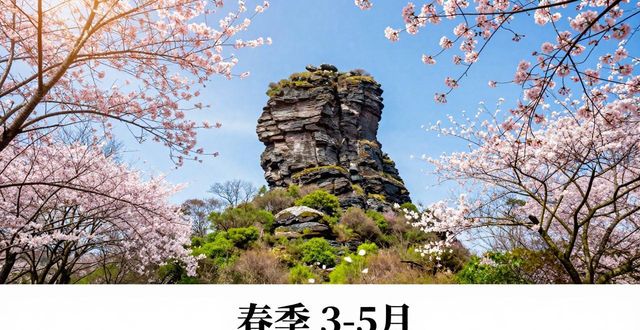
The best time to visit Fanjingshan is from late spring to early autumn, specifically May through October. During these months, temperatures are mild (15–25°C / 59–77°F), and the mountain is lush and green. July and August can be crowded and rainy, but the rain often clears into dramatic sea-of-clouds views. Avoid November to February: ice and snow can close the trails, and the cable car may stop operating. If you want to see the famous “Buddha’s Halo” – a rainbow-like optical phenomenon around your shadow on clouds – visit on a sunny morning after a rainy night. No matter when you go, check the weather forecast daily and be prepared for sudden changes at higher elevations.
What to Expect When Climbing the Red Clouds Golden Summit?
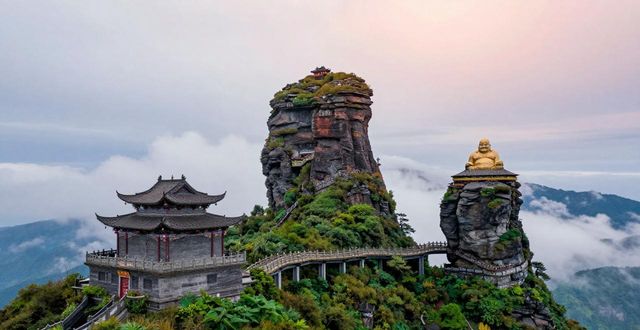
The Red Clouds Golden Summit is the absolute highlight of Fanjingshan. This 2,336-meter (7,664-foot) peak appears to split into two stone pillars, connected only by a small bridge. On one pillar stands the Temple of the Buddha, and on the other, the Temple of Maitreya. To reach them, you’ll climb nearly 2,000 steep stone steps with chains bolted into the rock for support. The ascent takes about 1.5–2 hours from the cable car drop-off, and it is not for the faint of heart. Wear sturdy hiking shoes, bring water, and go slowly. The reward? Panoramic views of cloud seas, jagged peaks, and a deep sense of accomplishment. For those who cannot manage the climb, the older mountain temples near the cable car station offer beautiful scenery and a quieter atmosphere.
Have you ever dreamed of hiking to a temple perched on a narrow stone pillar above the clouds – and what would you bring in your backpack for that adventure? If you found this guide helpful, please like, share, and leave your questions below.