
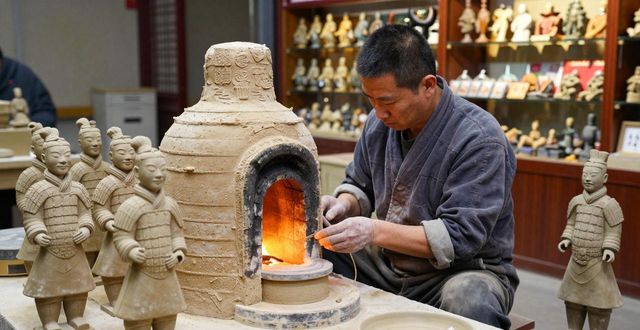
Terracotta Army replicas offer a fascinating way to bring a piece of ancient Chinese history into your home, office, or collection. Whether you are a history enthusiast, a traveler who couldn’t visit Xi’an, or simply looking for a unique decorative piece, understanding the basics of these replicas will save you time and money. This guide covers where to find quality replicas, how to spot fakes, creative display ideas, and simple care tips.
Where to find authentic Terracotta Army replicas

The best source for genuine-looking Terracotta Army replicas is directly from Xi’an, China, where the original warriors were discovered. Many certified souvenir shops near the museum sell replicas made from local clay, fired using traditional methods. Online marketplaces like Alibaba, Etsy, and eBay also offer a wide range, but you must check seller ratings and product photos carefully. Another trustworthy option is museum gift shops in your own country – for instance, the British Museum or the Metropolitan Museum of Art often stock officially licensed replicas. Avoid suspiciously cheap listings, as they are often made of resin or low-grade plaster, not real terracotta.
How to spot low quality vs high quality replicas
High-quality Terracotta Army replicas are handcrafted from clay, with visible tool marks, uneven paint, and a natural earthy texture. Low-quality versions are usually mass-produced in molds, using resin or plastic that feels smooth and lightweight. Flip the replica over – authentic-style ones have small air holes and a rough bottom,while fakes appear seamless and shiny. Also, check the details: genuine artisans carve distinct facial expressions, armor plates, and hair buns; fakes blur these features. A quality replica should weigh between 1 to 3 kilograms for a standard 12-inch figure, whereas cheap ones feel hollow. Never trust sellers who claim “exact same as the original” – that is impossible legally and physically.
Creative ways to display Terracotta Army replicas
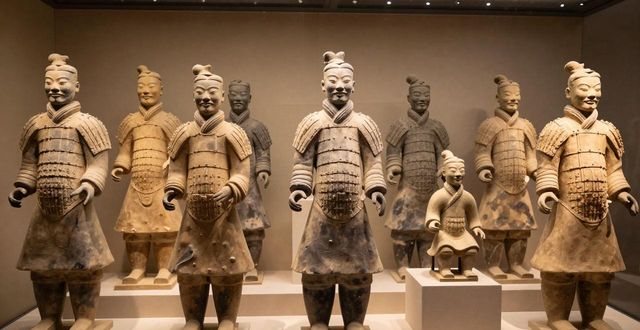
You don’t need a museum to show off your Terracotta Army replicas. For a dramatic effect, group three to five warriors of different ranks (archer, kneeling soldier, officer) on a low shelf or console table, mimicking the excavation pits. Add a small spotlight or LED strip to highlight their faces. If you prefer minimalism, place a single replica on a stack of art books or a wooden pedestal. Outdoors, larger replicas (2 feet or more) make eye-catching garden guardians – just ensure they are frost-proof. For themed parties or classrooms, use smaller replicas as educational props or centerpieces. Avoid direct sunlight, as it can fade any painted details over time.
Maintenance tips for long lasting replicas
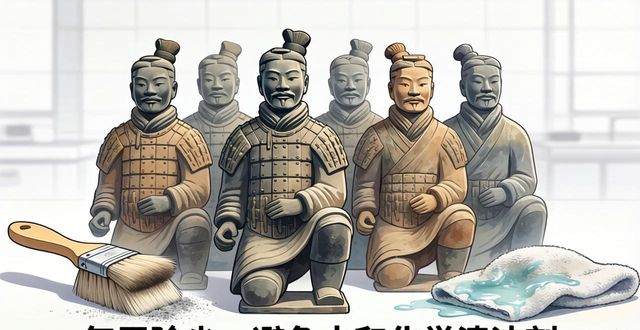
Proper care keeps your Terracotta Army replicas looking new for decades. Dust them weekly with a soft brush or a microfiber cloth – never use water or chemical cleaners, as they can crack the clay or remove paint. If a replica gets stained, dry rub with a slightly damp cloth, then air-dry completely. For outdoor displays, apply a clear, matte stone sealant once a year to prevent moisture damage. Keep replicas away from high-traffic areas where they might be knocked over; a simple museum wax gel on the base adds stability. If a piece breaks, epoxy glue designed for ceramics works well. Remember that slight chips and cracks add character – real terracotta ages beautifully.
Have you ever bought a historical replica that surprised you with its craftsmanship or lack thereof? Share your story in the comments below, and don’t forget to like and pass this guide to fellow history lovers!