
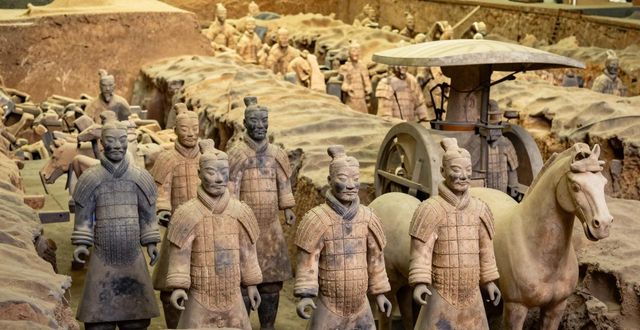
Xi’an, once known as Chang’an, served as the capital for 13 dynasties and is home to some of China’s most extraordinary historical sites. From the world-famous Terracotta Army to the ancient City Wall and the iconic Wild Goose Pagodas, these landmarks offer a deep dive into over 3,000 years of history. As a cultural historian specializing in ancient capitals, I’ll guide you through the must-see spots and share practical tips for your visit.
Why is the Terracotta Army so famous

Discovered in 1974 by local farmers, the Terracotta Army consists of over 8,000 life-sized soldiers, horses, and chariots buried with Emperor Qin Shi Huang. Each figure has unique facial features and armor, reflecting the incredible craftsmanship of the Qin Dynasty. What makes this site truly astonishing is the scale and mystery—why would an emperor need an underground army? Scholars believe it was to protect him in the afterlife, following ancient beliefs about immortality. Visiting Pit 1, the largest excavation hall, you’ll feel the silent power of this 2,200-year-old marvel.
How old is Xi’an City Wall and can you walk on it
The Xi’an City Wall was originally built during the Ming Dynasty (1370–1378), making it over 650 years old. But surprisingly, parts of its foundation date back to the Tang Dynasty (618–907). This wall is the best-preserved ancient city wall in China, stretching 13.7 kilometers in a complete rectangle. You can absolutely walk, bike, or even take an electric cart on top of it. The wall is wide enough for four horses to ride side by side. From its battlements,you’ll get a bird’s-eye view of Xi’an blending old temples with modern skyscrapers. Sunset is the perfect time for photos.
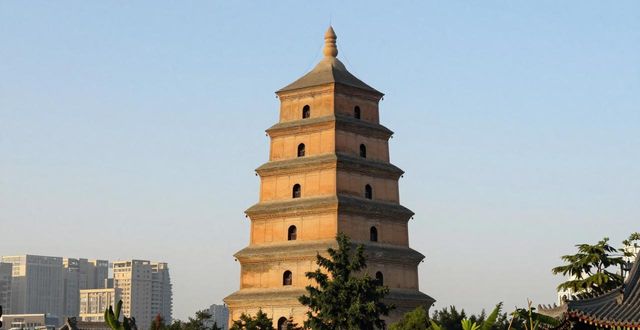
What can you see at the Great Wild Goose Pagoda
The Great Wild Goose Pagoda was built in 652 AD to store Buddhist scriptures brought back from India by the monk Xuanzang. This five-story brick pagoda stands 64 meters tall and has survived more than 1,300 years of earthquakes and wars. Inside, you’ll see stone carvings of Buddha and replicas of ancient Sanskrit texts. The surrounding square features the largest musical fountain in Asia, with water shows every evening. Many visitors climb to the top for a panoramic view of Xi’an. Don’t miss the nearby Da Ci’en Temple, where Xuanzang once translated those precious scriptures.
Where is the best place to see Tang Dynasty relics
The Shaanxi History Museum is the ultimate treasure house for Tang Dynasty artifacts. Located just a 15-minute walk from the Great Wild Goose Pagoda, this museum houses over 370,000 items including gold and silver wares, murals from imperial tombs, and tri-colored glazed pottery. One standout piece is the “Gold Bowl with Animal Designs,” which reveals the Silk Road’s influence on Tang art. Unlike many museums, you can get close to the displays without glass barriers in some sections. Arrive early—the free tickets run out by 9:30 am. Give yourself at least three hours to explore its three main halls.
Have you ever dreamed of walking on an ancient city wall or standing before a silent army of thousands? Which Xi’an historical site excites you the most? Share your thoughts in the comments below, and don’t forget to like and share this guide with fellow history lovers.