
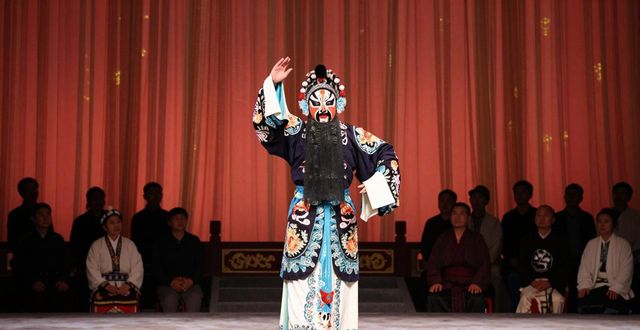
Beijing Opera, or Peking opera, is a spectacular fusion of music, dance, acrobatics, and elaborate costumes that has captivated audiences for over two centuries. For first-time foreign visitors,watching a live performance can feel like stepping into a living painting filled with symbolism and emotion. This article will guide you through the essential elements of Beijing Opera performances, helping you understand what to expect and how to truly appreciate this UNESCO-recognized intangible cultural heritage.
What makes Beijing Opera unique

Unlike Western theater that focuses on realistic storytelling, Beijing Opera thrives on stylized movements and symbols. Every gesture, from a flick of the sleeve to a tilt of the head, carries a specific meaning. For example, closing a fan can signal the end of a conversation, while walking in tiny circles represents traveling a long distance. The music, played by small ensembles of fiddles, drums, and cymbals, creates a rhythmic backdrop that drives the plot forward without relying on elaborate sets or props. This minimalist approach forces the audience to engage their imagination, making each performance a co-created experience.
How to understand the painted faces
One of the most striking features of Beijing Opera is the colorful facial makeup, known as lianpu. The colors are not random decorations but a coded language revealing the character’s personality. Red stands for loyalty and courage, seen in heroes like Guan Yu. Black represents honesty and roughness, often used for fierce generals. White signals cunning and treachery, perfect for villains like Cao Cao. Gold and silver are reserved for gods and ghosts. By learning these basic color rules, you can instantly guess whether a character is virtuous or evil, even before they sing a single line. This visual shorthand makes the stories accessible across language barriers.
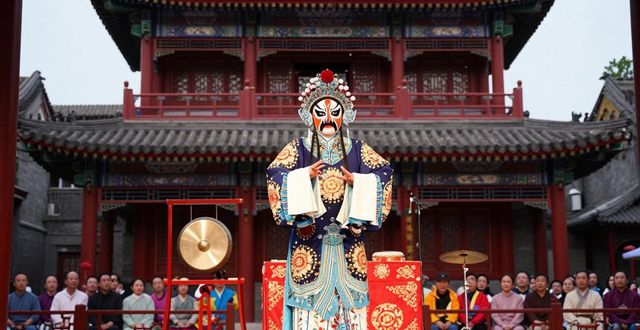
Where to catch authentic performances today
For travelers in Beijing, the best places to experience genuine opera are not the tourist-packed theaters alone. The Liyuan Theatre in the Qianmen area offers nightly shows with English subtitles, making it newcomer-friendly. For a more intimate setting, try the Huguang Guild Hall, a restored 19th-century stage where performers still train in old traditions. Many shows include a demonstration of face-painting before the main act, allowing you to see the artistry up close. Avoid street touts offering “discount tickets” near popular spots—book directly through official hotel concierges or verified online platforms to ensure quality seating and legitimate productions.
Tips for enjoying your first show
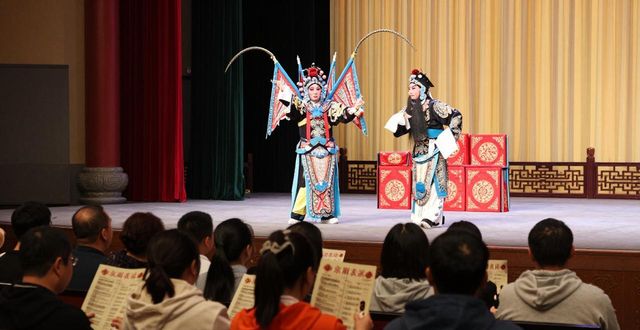
Arrive at least 20 minutes early to read the program synopsis, which usually outlines the story and characters. Don’t worry about understanding every word of the singing—the vocals use an archaic dialect challenging even for native Mandarin speakers. Instead, focus on the acrobatic fights, the flutter of embroidered costumes, and the percussive energy of the orchestra. Feel free to applaud during the show when a performer hits a particularly high note or lands a difficult somersault; unlike Western opera, mid-act appreciation is encouraged. Finally, bring a small pair of binoculars if seated far from the stage, as the facial expressions and hand gestures are best appreciated up close.
Have you ever watched a traditional performance in a language you didn’t understand, and what moment made the cultural magic click for you? Share your story in the comments below, and don’t forget to like and pass this guide to fellow travel lovers!