

Chinese culture heritage is far more than ancient artifacts or dusty museum pieces; it is a vibrant, living force that shapes the daily lives of over a billion people. From philosophy and festivals to cuisine and crafts, these traditions have survived millennia not by being locked away, but by evolving with each generation. For foreign visitors, understanding this heritage offers a genuine key to connecting with modern China on a much deeper level.
What Makes Chinese Culture Still Alive Today

Many Westerners imagine heritage as something static, but Chinese traditions are remarkably dynamic. Take calligraphy, for example—it is not just an art form studied by scholars but a daily practice for millions, from retired grandparents in parks to young children in after-school classes. Similarly, tea culture is not a performance for tourists but a living ritual embedded in business meetings, family gatherings, and quiet moments of personal reflection. These practices survive because they serve real, contemporary needs for connection, mindfulness, and beauty in everyday life.
What Are the Core Philosophical Roots
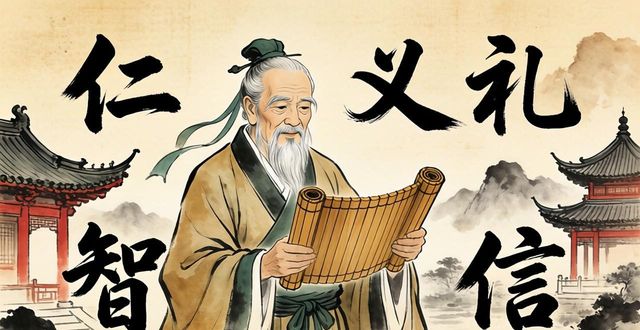
To truly appreciate Chinese cultural heritage, you must understand the three philosophical pillars that have supported it for over two thousand years. Confucianism provides the framework for social harmony, emphasizing respect for elders, loyalty in friendships, and righteousness in leadership. Daoism contributes the concepts of natural balance, simplicity, and going with the flow, which deeply influence Chinese medicine, landscape painting, and even cooking methods. Buddhism, arriving later from India, added profound ideas about compassion,impermanence, and inner peace, visible everywhere from temple architecture to funeral customs.
How Can You Experience This Heritage Yourself
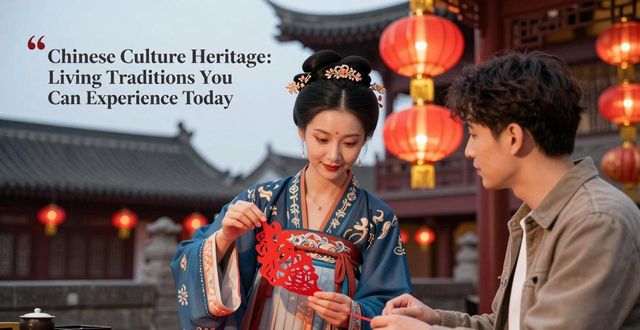
The best way to understand Chinese culture heritage is not through a screen but through direct, respectful participation. Join a morning tai chi session in a Shanghai park—no experience needed, just comfortable shoes and an open attitude. Visit a local food market and ask a grandmother how she selects fresh ingredients for her hot pot; food traditions here are passed down through taste, not just recipes. Consider taking a one-day workshop in paper cutting or clay figurine making, where your own imperfect hands will help you grasp the patience and skill embedded in these folk arts.
What aspect of living Chinese heritage would you most want to try for yourself, and why do you think it has survived for so many generations? Share your thoughts in the comments, give this article a like if it helped you see Chinese culture in a new light, and pass it along to friends who love traveling with open minds.