
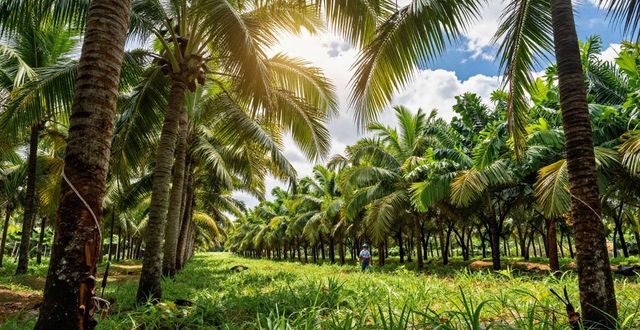
When people think of tropical destinations, China is rarely the first place that comes to mind. Yet hidden in the southern part of the country lies a genuine tropical zone featuring lush rainforests, pristine beaches, and unique ethnic cultures. From the volcanic island province of Hainan to the jungle-covered hills of Xishuangbanna, tropical China offers an alternative to the crowded beaches of Thailand or Hawaii. This guide will help you understand where to find these warm-weather escapes, when to visit, and what makes them special for travelers seeking something off the usual path.
Where is tropical China located
The true tropical zone of China falls below the Tropic of Cancer, covering the southernmost parts of the country. Hainan Province sits entirely in the tropics, with its capital Haikou and the famous beach resort of Sanya drawing sun-seeking visitors year-round. The southern tip of Guangdong Province, including the Leizhou Peninsula, also enjoys tropical climate conditions. In addition, the Xishuangbanna Dai Autonomous Prefecture in Yunnan Province offers a high-altitude tropical experience, complete with dense rainforests and the Mekong River winding through its valleys

These regions share common features: average winter temperatures above 18°C (64°F), high humidity, and distinct wet and dry seasons. Unlike subtropical cities like Guangzhou or Hong Kong, these areas never experience frost or snow. The tropical zone here supports palm trees, rubber plantations, and tropical fruits such as durian, mango, and lychee. For travelers, this means reliable warmth even in January, though the summer months bring intense heat and frequent rain showers.
Best time to visit tropical China
The dry season from November to April is widely considered the best time to explore tropical China. During these months, humidity drops to comfortable levels, rainfall becomes rare, and daily temperatures range from 20°C to 28°C (68°F to 82°F). This period aligns with the Spring Festival, a peak travel time when domestic tourists flood popular spots like Sanya’s Yalong Bay. If you dislike crowds, book accommodations well in advance or consider visiting in early December or late March when conditions remain pleasant but tourist numbers are lower
The wet season from May to October brings frequent afternoon thunderstorms, higher humidity, and the risk of typhoons, especially on Hainan Island. However, this is also when the landscape turns its most vibrant green and waterfalls run full. Prices for flights and hotels drop significantly during these months. For budget-conscious travelers willing to accept some rain, June or September can offer good value. Just keep a flexible itinerary and monitor weather forecasts closely, as typhoons can disrupt ferry services between Hainan and the mainland

What to do in tropical China
Beach lovers should head straight to Hainan Island, where Sanya offers dozens of bays with soft sand and calm water. Yalong Bay is the most developed, with international resorts and water sports facilities, while Dadonghai attracts backpackers with its affordable hostels and lively bar scene. For a quieter experience, visit the lesser-known Houhai Bay, where local surf schools offer beginner-friendly waves and you can stay in family-run guesthouses. Snorkeling trips to Wuzhizhou Island reveal coral reefs and tropical fish that survive due to protected marine areas
For rainforest adventures, Xishuangbanna remains unmatched. The Wild Elephant Valley provides a chance to see Asian elephants in their natural habitat, though sightings are never guaranteed. A better bet is the Tropical Botanical Garden, run by the Chinese Academy of Sciences, which boasts over 13,000 plant species across 1,100 hectares. You can walk through sections dedicated to palm trees, bamboo, medicinal plants, and aquatic species. Nearby, the Dai minority villages offer stilted houses, rice paddies, and evening performances of peacock dance, all giving you a glimpse into Southeast Asian cultural influences that have shaped this region for centuries
How to get around tropical China

Domestic flights connect most major Chinese cities to Haikou, Sanya, and Jinghong, the gateway to Xishuangbanna. From Bangkok or Singapore, direct flights to Haikou make Hainan accessible as a standalone trip. Once on the island,high-speed trains run along the coast between Haikou and Sanya, passing through small towns perfect for spontaneous stops. Car rentals are available but require a Chinese driver’s license, which now many international visitors can obtain through a simple conversion process with an IDP from certain countries
In Xishuangbanna, public buses connect Jinghong to attractions like the botanical garden and wild elephant valley, though they run infrequently. Hiring a driver for the day costs around 300-500 RMB ($40-70) and saves time. English signage is limited outside major resorts, so downloading a translation app and offline maps is essential. For the adventurous, local taxis can be booked through WeChat mini-programs, but setting up mobile payment beforehand will make your travel much smoother. Remember to bring mosquito repellent year-round and carry an umbrella even during dry season forecasts
Have you ever experienced the surprising tropical side of China, or would you prefer exploring Hainan’s beaches over Thailand’s crowded islands? Share your thoughts below and let others know what destinations we should cover next