
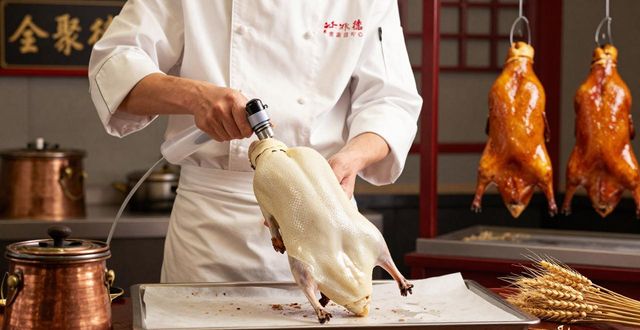
If you’re planning a trip to Beijing, tasting the legendary Peking duck is probably at the top of your food bucket list. This dish isn’t just a meal; it’s a centuries‑old culinary performance featuring crispy mahogany skin, tender meat, and a ritual of wrapping everything in delicate pancakes. In this guide, I’ll walk you through what makes classic Peking duck so special, where to find the most authentic versions, and how to eat it like a local.
What makes authentic Peking duck so special

Authentic Peking duck starts with the breed – the White Beijing duck, raised for its thick layer of fat and tender flesh. The traditional preparation involves pumping air between the skin and meat, then coating the duck in maltose syrup before hanging it to dry for hours. This labor‑intensive process creates that signature glass‑like crispiness when roasted in an open fruitwood oven. Unlike ordinary roast duck, the skin here shatters like caramel and melts on your tongue, while the meat stays juicy and subtly sweet. The best restaurants still use century‑old techniques, roasting each duck to order so you get it straight from the hearth.
Where to find the best classic Peking duck in Beijing
Locals will point you to two legendary names: Quanjude and Bianyifang. Quanjude, founded in 1864, is famous for its even, bubbly skin achieved by roasting without opening the oven door. Their duck is carved tableside with theatrical precision. Bianyifang, which dates back to the Ming Dynasty, uses a closed‑oven method that results in a slightly softer skin but more intense smoky flavor. For a modern twist, Da Dong Roast Duck offers a “non‑greasy” version with ultra‑thin skin and creative dipping sauces like garlic paste and sugar. Avoid tourist traps near the Forbidden City; instead, book a table at these iconic spots, and always reserve ahead – queues can stretch for hours.
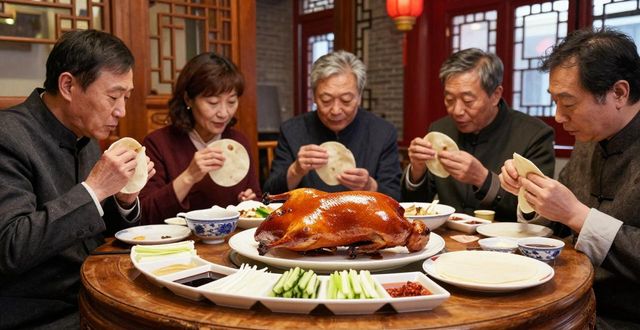
How to eat Peking duck like a Beijing local
First, watch the chef carve the duck into three parts: the prized crispy skin, the lean meat, then the rest. Take a warm, paper‑thin pancake (chun bing) and spread a dab of sweet bean sauce – not too much, or it dominates. Add a few cucumber strips and scallion slivers for crunch and bite. Lay a piece of skin with some attached meat on top, then fold the pancake into a neat bundle, sealing the bottom so sauce doesn’t drip. Eat it in one bite. Don’t ask for forks; this is finger food. Locals also love dipping the pure skin into white sugar – the heat melts the sugar into a toffee‑like coating. Finally, order the duck bones simmered into a creamy broth or stir‑fried with salt and pepper.
What side dishes complete the classic Peking duck meal
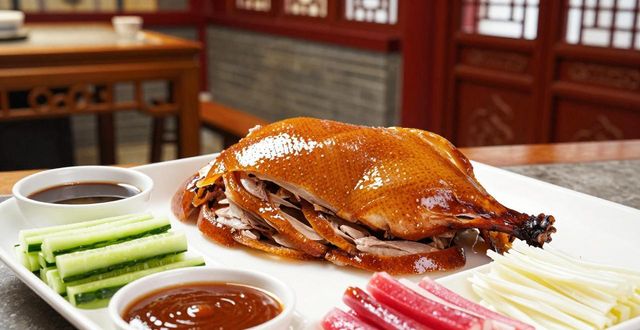
Beyond the duck itself, the accompaniments are essential. The cucumber and leek scallions provide freshness against the rich meat. The sweet bean sauce (tian mian jiang) is fermented for months, giving a deep umami‑sweet balance. Some restaurants offer shredded Chinese yam, pickled radish, or even honeydew melon for a modern twist. Don’t skip the duck‑bone soup – it’s often served at the end, milky and peppery,perfect for warming your stomach after all those pancakes. For a truly local experience, order a plate of stir‑fried duck liver or heart as appetizers. And pair your meal with a light beer like Tsingtao or a cup of jasmine tea to cleanse your palate between bites.
Have you ever tried authentic Peking duck in Beijing, or do you have a favorite duck restaurant elsewhere? Share your experience in the comments below – and if this guide helped you, give it a like and pass it on to fellow food lovers.