
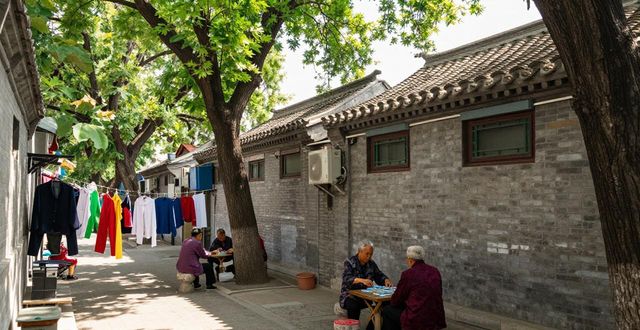
Beijing hutongs are the ancient alleyways that form the heart of the city’s traditional neighborhoods. Unlike the grand palaces and wide boulevards, these narrow lanes offer an intimate glimpse into the daily lives of Beijingers past and present. For any traveler seeking authentic local culture, understanding hutongs is essential. This guide covers what they are, their rich history, how to explore them respectfully, and where to find delicious food inside these fascinating mazes.
What Are Beijing Hutongs
A hutong is originally a lane or alley formed by lines of siheyuan (courtyard homes) joined together. The word itself comes from the Mongolian term “hottog,” meaning water well – because communities often grew around a shared well. Today, “hutong” refers to the entire network of narrow streets that connect these historic courtyards. Typically just a few meters wide, these lanes are too small for most cars, making walking or cycling the best ways to explore.

Unlike modern high-rises, hutongs feel like living museums where neighbors still greet each other, play mahjong under shade trees, and hang laundry across the lanes. Each hutong has its own character, from quiet residential passages to lively rows of shops and cafes. Stepping into one is like entering a different century, yet street-side convenience stores and Wi‑Fi routers remind you that old and new coexist here.
History of Beijing Hutongs
Most of Beijing’s hutong layout dates back to the Yuan Dynasty (1271–1368), when the city was designed as a grid of east-west lanes connecting north-south avenues. By the Ming (1368–1644) and Qing (1644–1912) dynasties, the number of hutongs exploded, reaching over 6,000 at its peak. These lanes housed officials, merchants, artisans, and ordinary families, creating a unique urban fabric that lasted for centuries.
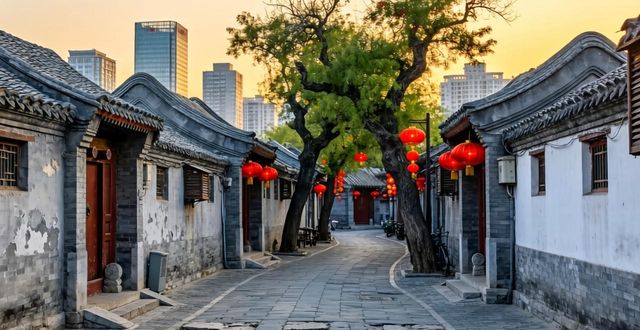
In the 20th century, many hutongs were demolished to make way for modern buildings and roads. However, since the 1990s, the government and local communities have recognized their cultural value. Today, protected areas like the Shichahai and Nanluoguxiang districts preserve dozens of intact hutongs. Walking through them, you can still see original stone carvings,weathered wooden doors, and ancient courtyard trees that have witnessed generations of life.
How to Explore Hutongs
The best way to experience hutongs is on foot or by bicycle. Join a small-group walking tour led by a local guide who can share stories behind each alley – many guides are longtime residents. Alternatively, rent a bicycle from your hotel or a street-side shop; the flat lanes are easy to navigate, and you can stop whenever something catches your eye. Early morning or late afternoon offers the most pleasant light and cooler temperatures.
Remember that hutongs are living neighborhoods, not theme parks. Speak quietly, avoid blocking doorways, and always ask permission before photographing residents. Some hutongs have been transformed into trendy art zones, like the 798-style galleries hidden in Dashilar, but others remain purely residential. Respecting this balance ensures that locals continue to welcome visitors. For a deeper dive, visit a hutong museum such as the Beijing Hutong Culture Museum on the Drum Tower grounds.
Where to Eat in Hutongs
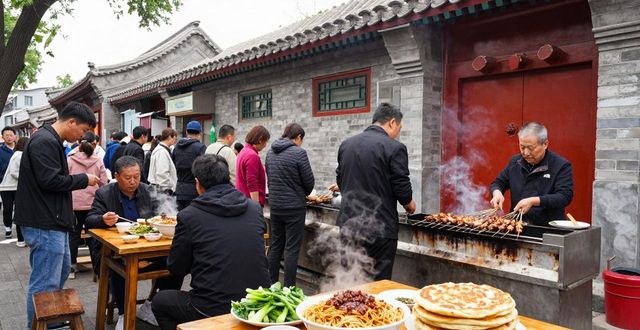
Hutong dining is an adventure in itself. Many lanes are lined with tiny family-run eateries serving Beijing’s classic dishes: zhajiangmian (noodles with fermented soybean paste), jianbing (savory crepes), and lamb skewers grilled over charcoal. Look for places with long lines of locals – that’s the surest sign of good food. Don’t hesitate to point at what others are eating if the menu is only in Chinese.
For a more polished experience, several converted siheyuan now house excellent restaurants that serve imperial or fusion cuisine, such as the famous “Hutong Pizza” or duck dinners in a courtyard setting. Be sure to try Beijing yogurt from a ceramic pot, sold by street vendors. And end your evening at a rooftop bar tucked inside a hutong – sipping a drink while overlooking the ancient gray rooftops and the modern skyline beyond is an unforgettable way to say goodnight to old Beijing.
Have you ever stumbled upon a hidden courtyard or a local secret in Beijing’s hutongs? Share your favorite discovery in the comments – and don’t forget to like and share this guide with fellow travelers