
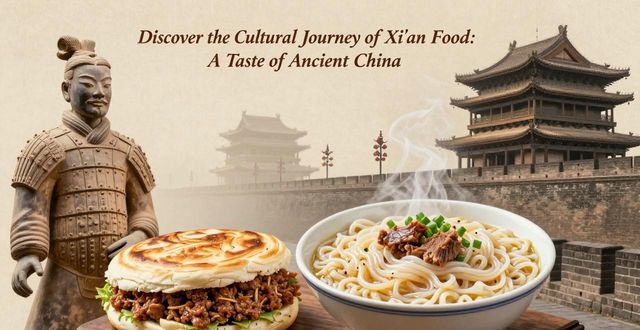
Xi’an, the ancient capital of China, is more than just the home of the Terracotta Warriors. Its food tells a story of thousands of years of trade, migration, and imperial banquets. From the spicy tang of biangbiang noodles to the juicy layers of a roujiamo, every bite is a lesson in history. In this cultural journey, you’ll not only taste incredible dishes but also understand how the Silk Road shaped this unique cuisine. Let’s walk through the streets of Xi’an and explore its edible heritage.
Why is Xi’an food so unique

The secret lies in Xi’an’s position as the starting point of the ancient Silk Road. For centuries, traders from Central Asia, Persia, and even Europe brought spices, cooking methods, and ingredients here. That’s why you see cumin-dusted lamb skewers, hand-pulled noodles with a chewy texture similar to Central Asian laghman, and bread-like flatbreads (mo) that resemble naan. Unlike the sweeter, softer dishes of southern China, Xi’an food is bold, wheat-based, and hearty. It’s a fusion that happened naturally, not in a modern kitchen but on dusty caravan trails.
What to eat for a true Xi’an cultural experience
Start with a bowl of yangrou paomo, or pita bread soaked in lamb stew. Here,you tear a hard flatbread into tiny pieces with your own fingers, then the kitchen pours hot, spiced broth over it. This dish is about patience and community, and locals often eat it for breakfast. Next, try liangpi (cold skin noodles), a tangy, spicy noodle dish served with cucumber and gluten. It’s the perfect summer snack, and vendors have been making it for over a thousand years. Don’t miss roujiamo – often called the “Chinese hamburger” – where slow-braised pork belly fills a crispy baked bun. Each bite reveals layers of star anise, cloves, and soy sauce.
How to find authentic food like a local
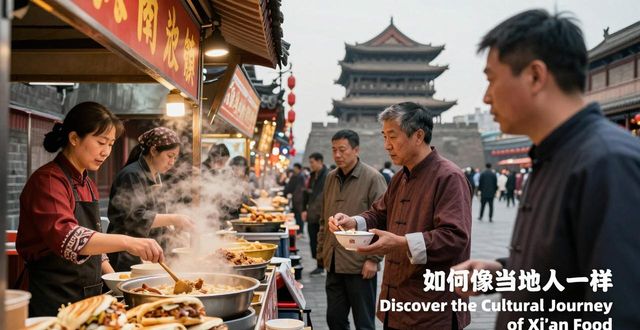
Skip the touristy Muslim Quarter food stalls near the Bell Tower if you only want photos. Instead, wander into the small hutongs (alleys) west of the Drum Tower. Look for places with long lines of local workers, not foreigners. A good sign is a big wok or steamer right at the entrance, and an aunty who barely looks up from pulling noodles. In the morning, follow the scent of cumin and sizzling fat to street carts selling guantang baozi (soup dumplings with lamb). Remember, true Xi’an food is not pretty – it’s messy, garlicky, and bursting with black vinegar. Don’t be shy to sit on low plastic stools and eat with your hands.
Bringing Xi’an food culture home
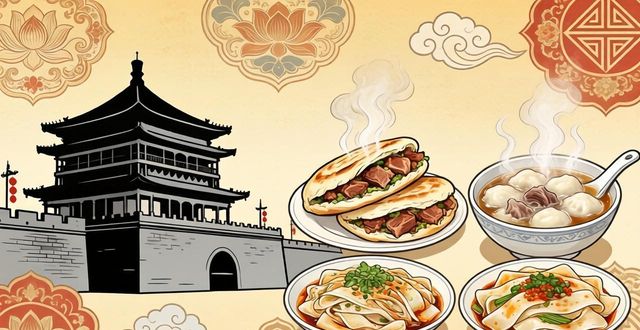
You don’t need to fly to China to recreate this journey. Start by mastering the art of pulling noodles – all you need is flour, water, salt, and lots of practice. Or make a simple liangpi using gluten-free flour and a steamer. Key spices to stock are roasted cumin powder, Sichuan peppercorn, and Chinese black vinegar. For an easy win, try the “oil splash” method: pour sizzling hot oil over a bowl of noodles topped with chili flakes, garlic, and scallions. That sizzle is the sound of Xi’an. Share your creation with friends, and tell them the story of the Silk Road while you eat. Food becomes culture only when it’s shared.
Now I’d love to hear from you: If you could only try one Xi’an dish today, would you go for the lamb broth with bread, the cold spicy noodles, or the juicy pork burger? Drop your answer in the comments, and don’t forget to share this article with fellow food adventurers. Your like and share help more people discover this amazing culinary heritage.