
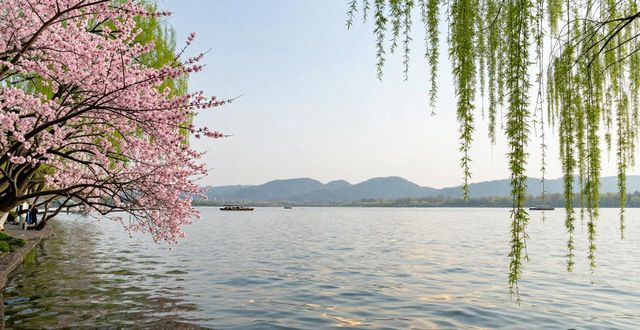
Hangzhou, the capital of Zhejiang Province, has long been celebrated as one of China’s most enchanting travel destinations. Famous for its breathtaking West Lake, ancient temples, and lush tea plantations, this city perfectly blends natural beauty with rich history. Whether you are a first-time visitor or a seasoned traveler, Hangzhou offers unforgettable experiences that go far beyond the postcard images. In this guide, I’ll share practical advice, must-see spots, and local secrets to help you plan an amazing trip.
Best Time to Visit Hangzhou

The ideal time to explore Hangzhou is during spring (March to May) and autumn (September to November). In spring, the weather is mild, and the famous West Lake is framed by blooming peach blossoms and weeping willows. Autumn brings clear blue skies, cooler temperatures, and the sweet scent of osmanthus flowers throughout the city. Summer can be hot and humid, while winter is chilly but less crowded, offering a peaceful atmosphere for those who don’t mind the cold. Avoid the first week of October (China’s National Day holiday) if you dislike large crowds, as domestic tourists flock to Hangzhou during that time.
Top Must-See Attractions in Hangzhou
West Lake is undoubtedly the heart of Hangzhou tourism. Rent a bike or take a leisurely boat ride to see iconic spots like Broken Bridge, Leifeng Pagoda, and Three Pools Mirroring the Moon. The lake is surrounded by gardens, pagodas, and historical sites that have inspired poets for centuries. Another unmissable attraction is Lingyin Temple, one of China’s largest and wealthiest Buddhist temples. Its ancient halls, towering statues, and the nearby Feilai Feng grottoes with hundreds of rock carvings will leave you in awe. For tea lovers, a trip to Longjing (Dragon Well) Tea Village is essential – you can walk through terraced tea fields, learn how tea is picked and roasted, and taste freshly brewed Longjing tea right from the source.
How to Experience Local Culture and Cuisine
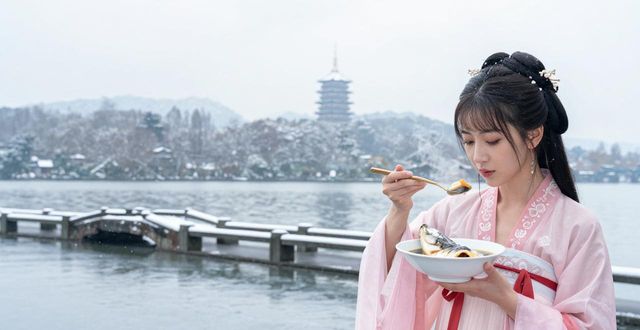
To truly appreciate Hangzhou, dive into its food and traditions. Begin with a meal at a lakeside restaurant to try authentic Hangzhou dishes like Dongpo pork (slow-braised fatty pork belly), Beggar’s Chicken (baked chicken wrapped in lotus leaves), and shrimp cooked with Longjing tea leaves. For a deeper cultural experience, visit the China National Silk Museum, where you can see how silk is produced and even try traditional weaving. In the evening, take a stroll along Hefang Street, a restored ancient pedestrian lane lined with shops selling crafts, calligraphy, and street food like stinky tofu and osmanthus cakes. Many teahouses along the street offer live traditional music or storytelling performances – a perfect way to relax and soak in the local vibe.
Practical Travel Tips for Foreigners
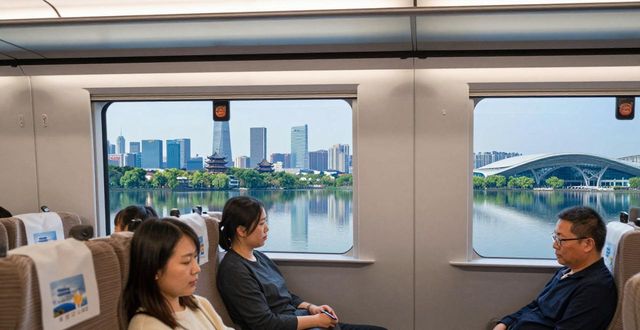
Getting to Hangzhou is easy: the high-speed train from Shanghai takes only about 45 minutes, and the city has two airports with international connections. Once in Hangzhou, the metro system is clean, efficient,and has English signs. Taxis and ride-hailing apps like Didi (which has an English version) are inexpensive and convenient. Most major attractions accept credit cards, but small shops and food stalls prefer cash or mobile payments like Alipay – it’s wise to have some Chinese yuan on hand. Learn a few basic Mandarin phrases like “ni hao” (hello) and “xie xie” (thank you); locals appreciate the effort. Also, download a VPN before you arrive if you need access to Google Maps, Facebook, or Instagram, as these sites are blocked in mainland China.
Have you ever dreamed of walking along a misty lake or sipping tea on a mountain terrace? What part of Hangzhou tourism excites you the most? Share your thoughts or questions in the comments below – and if you found this guide helpful, please give it a like and share it with your fellow travelers!