

Beijing, China’s sprawling capital, blends ancient history with hyper-modern energy. As a first-time visitor, navigating its vast size, cultural nuances, and endless attractions can feel overwhelming. This guide cuts through the noise, offering practical advice on when to go, what to see, how to get around, and what to eat, so you can focus on making unforgettable memories.
When is the best time to visit Beijing

The ideal windows are spring (April–May) and autumn (September–October). During these months, temperatures hover comfortably between 15°C and 25°C,and the skies are usually clear – perfect for outdoor exploring. Summer (June–August) is hot, humid, and crowded, plus sudden downpours are common. Winter (November–March) is freezing and dry, but you’ll enjoy thinner crowds and lower flight/hotel prices. If you can handle the cold, seeing the Great Wall dusted in snow is a magical reward.
What are the must-see attractions
No Beijing trip is complete without the Forbidden City, Temple of Heaven, and Summer Palace – each a masterpiece of imperial architecture. But don’t overlook the hutongs (narrow alleyways) where traditional courtyard homes still stand. Rent a bike or join a rickshaw tour to explore areas like Shichahai. For modern Beijing, the 798 Art District offers cutting-edge galleries in former factory buildings. And of course, the Great Wall: avoid the crowded Badaling section; instead, hike at Mutianyu (restored but with fewer tourists) or Jinshanling (wild and rugged). Allow at least half a day for travel.
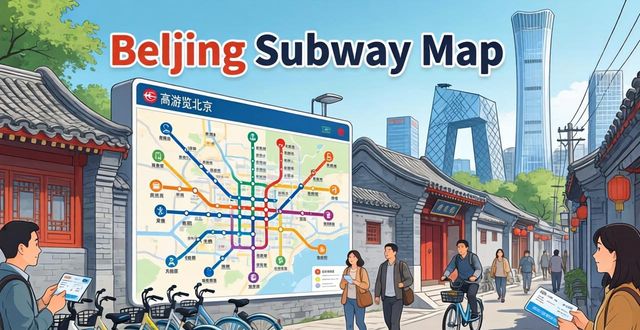
How to get around the city efficiently
Beijing’s subway is your best friend – it’s cheap, fast, and signs are in English and Chinese. A single ride costs around 3–6 RMB (less than $1). Download the “MetroMan Beijing” app for offline route planning. Avoid taxis during rush hour (7:30–9:00 AM, 5:30–7:30 PM) when gridlock is brutal. Instead, use Didi (China’s Uber) via its English-friendly app. For short distances, rent a shared bike from Meituan or Hellobike – just scan the QR code and pay a few RMB. Always carry cash or link Alipay (setup needed before arrival) as credit cards are rarely accepted for transport.
What food should you try beyond Peking duck
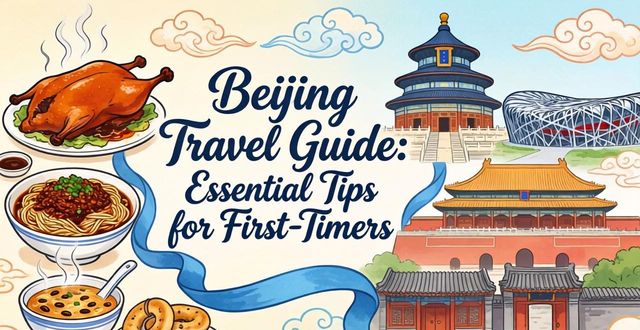
Peking duck is famous, but real Beijing street food steals the show. Start with jianbing – a savory crepe with egg, crispy cracker, scallions, and hoisin sauce, folded and eaten on the go. Look for morning stalls near subway exits. For lunch, try zhajiangmian (noodles with fermented soybean paste and pork) at a small local shop. At night, head to Guijie Street (Ghost Street) for spicy crayfish or Wangfujing Snack Street – though the latter is very touristy. Don’t miss douzhi (fermented mung bean drink), an acquired taste locals love. Wash it all down with a bottle of Yanjing beer.
Now that you have the essentials, what aspect of Beijing are you most excited to explore – the ancient wonders, the hutong life, or the street food scene? Drop your thoughts in the comments, and if this guide helped, share it with a fellow traveler planning their trip!