
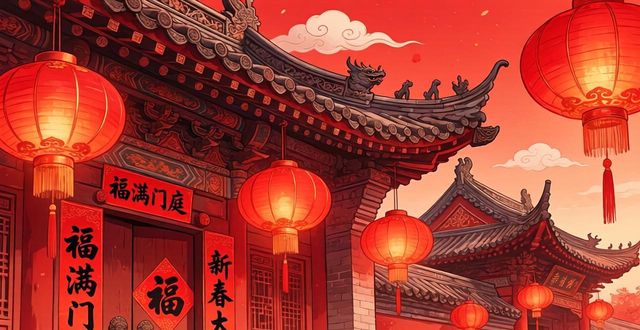
Chinese New Year decorations are far more than just festive ornaments—they carry deep cultural meanings, from warding off evil spirits to inviting good fortune and happiness. For anyone new to this celebration, understanding the symbolism behind each item can transform simple decorating into a meaningful ritual. In this guide, I’ll walk you through the most essential decorations, where to place them, and common mistakes to avoid, so you can fully embrace the spirit of the Spring Festival.
What do red Chinese New Year decorations symbolize

Red is the dominant color of every Chinese New Year decoration, and for good reason. Legend tells of a mythical beast called Nian that would terrorize villages each spring, until people discovered it feared the color red, loud noises, and bright lights. That is why you see red lanterns, red couplets, and red paper cuttings everywhere. Beyond warding off Nian, red represents happiness, vitality,and good luck in Chinese culture. When you hang red decorations, you are not just adding color—you are actively inviting positive energy into your home. Many families also wear red clothing and give red envelopes, reinforcing the same protective and prosperous message.
Where to place Chinese New Year couplets and door gods
Couplets, or chunlian, are pairs of poetic lines written on red paper and pasted on both sides of a doorway. The top horizontal scroll goes above the door. Always place the right-side couplet first (facing the door, your right), then the left. The characters should read from top to bottom, right to left. Door gods, usually printed as two fierce-looking generals, go on the front door itself, facing outward to block evil spirits. Never put these decorations on bedroom doors or interior doors that lead to bathrooms or kitchens—they are meant for the main entrance only. Also, avoid placing couplets upside down, as that would be considered disrespectful and inauspicious.
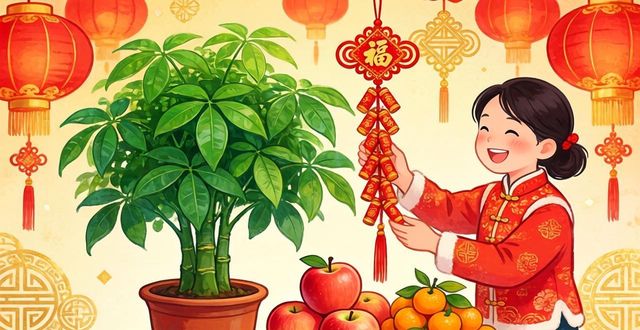
How to pick lucky plants and fruits for Lunar New Year
Plants and fruits are popular Chinese New Year decorations because their names sound like lucky words. The kumquat tree, for example, has “ju” (orange) that sounds like “luck,” and its golden fruits symbolize wealth. Place it near your front door or living room. Peach blossoms represent romance and growth—ideal for singles hoping to find love. For fruits, tangerines and oranges are must-haves; offer them in a bowl or hang small ones on the tree. Another favorite is the lucky bamboo, which grows upward smoothly, signifying a year of steady progress. When choosing these plants, look for full, healthy leaves and many buds. Avoid any with thorns, such as cacti, as they are thought to block good chi.
When to take down Chinese New Year decorations
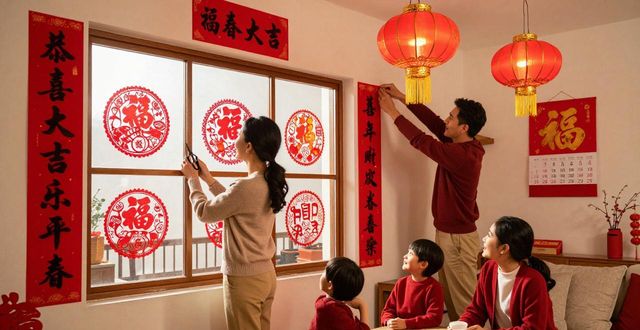
Knowing when to remove your decorations is as important as putting them up. Most families keep everything displayed until the Lantern Festival, which falls on the 15th day of the new lunar year. Taking them down earlier might be seen as cutting the good luck short. However, red couplets and paper cuttings are often left up all year, only replaced the next New Year’s Eve. If you use fresh plants like kumquats, discard them once the fruits wilt or fall—never let rotten produce stay in your home. And when you do take down any decoration, do it gently and with a positive mindset, never in anger or frustration. If a lantern breaks during the festival, replace it immediately rather than leave it damaged.
Have you ever received a Chinese New Year decoration as a gift and wondered what it truly means? Share your stories or questions in the comments below, and don’t forget to like and share this article with friends who are decorating for the first time.