
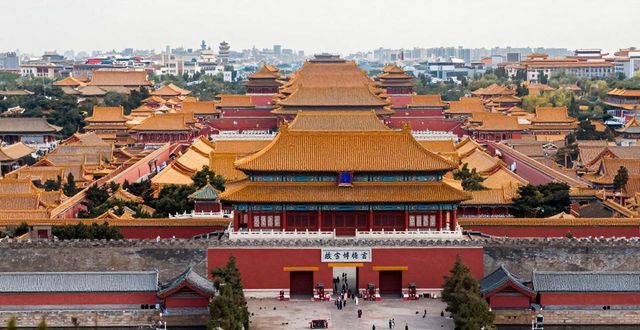
As one of the most visited landmarks in the world, the Forbidden City in Beijing is far more than a museum – it was the political and ritual center of China for nearly 500 years. For first-time visitors, understanding its size, symbolism, and secrets can be overwhelming. This guide breaks down the essentials to help you appreciate why this UNESCO World Heritage site remains a must-see destination.
Why is the Forbidden City so big

The Forbidden City covers 72 hectares with over 980 buildings, yet its layout follows a strict hierarchy. The vast open courtyards and massive halls were designed not just for comfort but to intimidate. Emperors used sheer scale to demonstrate their divine authority – foreign envoys had to walk half a kilometer through empty squares before reaching the throne. This architectural power statement ensured that anyone entering felt small and insignificant, reinforcing the emperor’s status as the Son of Heaven. Today, walking the same path gives you a visceral sense of how imperial rule operated through physical dominance.
What makes its architecture special
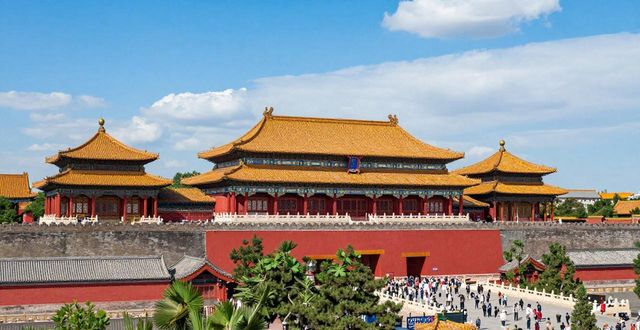
Look closely at the golden roof tiles and red walls – these colors were reserved exclusively for the imperial family. Every building feature carries meaning: the number of mythical beasts on the roof ridges indicates the building’s importance, with the Hall of Supreme Harmony having ten, the highest count allowed. The wooden brackets called “dougong” support heavy roofs without nails or glue, a technique that allowed buildings to survive earthquakes for centuries. Unlike Western stone castles, Chinese wooden architecture prioritized flexibility and renewal, which explains why the Forbidden City still stands after over 600 years.
How to make the most of your visit
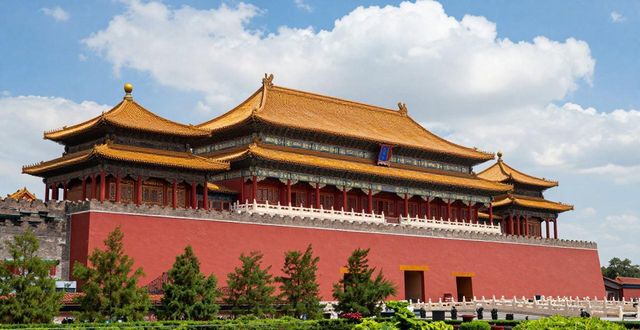
Arrive when the gates open at 8:30 AM to avoid midday crowds,and focus on the central axis first – that’s where you’ll find the three great halls. Rent an audio guide or download the official app, because signs in English are limited and miss many historical anecdotes. Don’t skip the side palaces, especially the Treasure Gallery and the Clock Exhibition, which house objects you won’t see elsewhere. Plan at least three hours, and exit through the Gate of Divine Virtue to reach Jingshan Park – from that hill, you can photograph the entire Forbidden City from above, a view that emperors once enjoyed exclusively.
What part of the Forbidden City would you most like to see first, and what surprises you most about its history? Drop your thoughts in the comments, and share this guide with fellow travelers planning their Beijing trip.