

China offers a remarkable variety of travel experiences, and safety is a top priority for visitors. From bustling metropolises with efficient public systems to serene countryside with friendly locals, many destinations stand out for their low crime rates, clean environments, and reliable infrastructure. In this guide, I’ll share some of the safest and most welcoming places to explore across the country, based on real traveler feedback and official data.
Is Beijing safe for tourists

Beijing, the capital, is extremely safe for foreign visitors. The city has a strong police presence, especially near major attractions like the Forbidden City and the Great Wall. Pickpocketing is rare in tourist zones, and violent crime is almost nonexistent. Public transportation, including the subway, is well-lit, monitored by cameras, and easy to navigate with English signs. At night, areas like Wangfujing and the Olympic Park remain lively and secure, making Beijing a worry-free choice for first-time travelers to China.
How safe is Shanghai for solo travelers
Shanghai consistently ranks as one of the safest cities worldwide, and solo travelers—including women—feel comfortable walking alone even late at night. The Bund, Nanjing Road, and former French Concession are patrolled regularly, and local residents are helpful to foreigners. The metro runs until 11 p.m. and features emergency call buttons and security staff. In case of any issue, English-speaking police are available at tourist help centers. Many solo backpackers report losing items and getting them back intact, thanks to honest citizens and efficient lost-and-found systems.
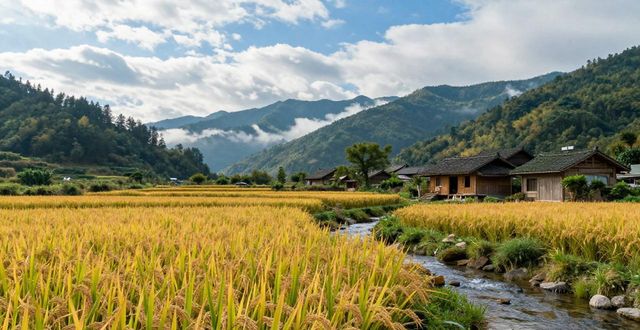
Safe natural escapes in rural China
For nature lovers,places like Zhangjiajie National Forest Park and Yangshuo’s countryside are remarkably safe. Trails are well-marked, and park rangers monitor climbing areas. In Yunnan, the ancient town of Lijiang and Tiger Leaping Gorge have low crime rates, with locals running family guesthouses that welcome foreigners. Even remote areas like Jiuzhaigou Valley have emergency medical posts and clear signage in English. However, always check weather warnings for landslides or floods before hiking, and carry a basic first-aid kit. Overall, rural China offers adventure without high risk.
Is it safe to travel to Tibet or Xinjiang

Tibet’s Lhasa and surrounding areas are very safe for tourists. There are checkpoints, but they are routine security measures, not signs of danger. The region has low theft rates, and the Tibetan people are known for their hospitality. In Xinjiang, cities like Kashgar and Urumqi have increased police visibility, and most tourist sites are calm and well-protected. Avoid remote border zones without a guide, and always respect local customs. Both regions offer unique cultural experiences with safety on par with eastern China, as long as you travel with authorized agencies.
What destination in China would you most like to visit for a safe, hassle-free trip? Share your thoughts in the comments, and don’t forget to like and share this guide with fellow travelers!