
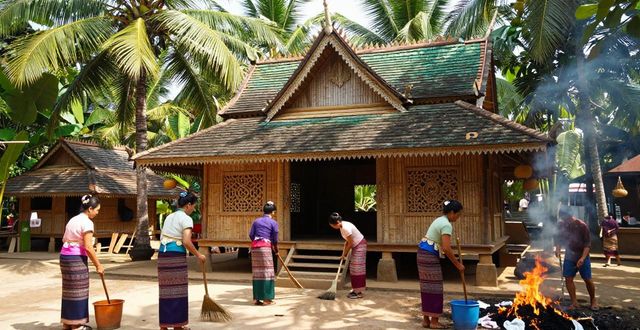
The Dai people,one of China’s 55 recognized ethnic minorities, have a culture that feels more Southeast Asian than Han Chinese. Living mainly in the hot, lush valleys of Yunnan province—Xishuangbanna being the heartland—they share closer ties with Thailand and Laos. Their unique blend of Theravada Buddhism, water-centric festivals, and stilted bamboo houses offers travelers a gentle, colorful culture that celebrates joy and nature. This guide introduces their most fascinating traditions without the academic jargon.
What is the Water-Splashing Festival really like

Forget the tourist-friendly water fights you might have seen online. The Dai New Year, or Water-Splashing Festival, lasts three days and carries deep meaning. The first day is for cleaning homes and burning old clothes to symbolically discard bad luck. The second day is a “no-day” that falls between years, used for ancestor rituals and temple visits. Only on the final day do people gently pour scented water on Buddha statues, then on elders, as a sign of respect and blessing. Modern celebrations have turned livelier, but the core remains purification, not just fun.
Why Dai houses are built on stilts
If you travel through Xishuangbanna, you will notice every traditional home stands on tall wooden pillars. This design is purely practical for the region’s six-month rainy season. Stilts prevent flooding inside the living space, keep out wild animals, and allow air to flow underneath, naturally cooling the house. Below the raised floor, families store farm tools or raise livestock. The upper floor follows a strict layout: the bedroom is for family members only (guests never enter), while the large, open veranda is where people eat, chat, and nap in hammocks. This separation shows the Dai value of private family space.
How Dai women dress for daily life
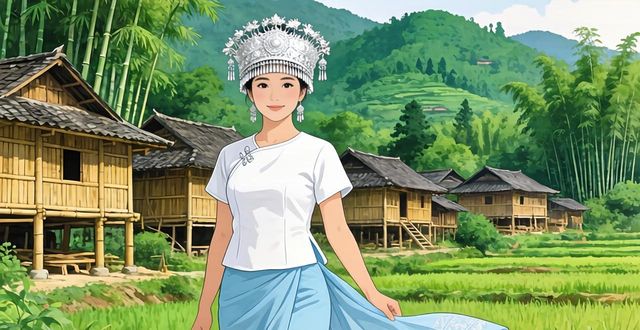
A Dai woman’s outfit is both beautiful and smart for hot weather. She wears a tight, short-sleeved blouse that buttons under the right arm, not in the front. Her long, tube-like skirt wraps around the waist and reaches her ankles, with silver belts holding it in place. The patterns on her skirt reveal her village and marital status—stripes for single women, solid bands for married ones. Men dress much simpler: loose pants, a white or blue jacket, and a cloth tied around the head. Even today, older Dai women stick to this dress code, while young people mix modern T-shirts with traditional skirts.
Can travelers see authentic Dai culture today
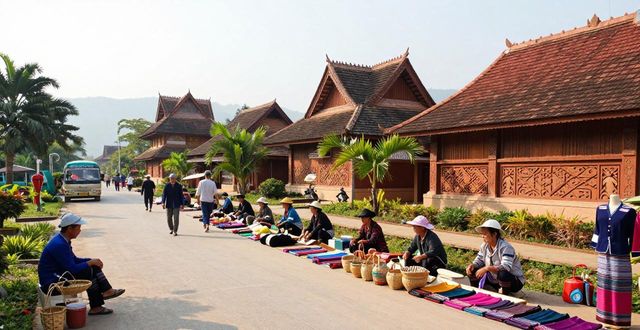
Yes, but you must leave the main road. The famous tourist village of Ganlanba has turned into a market for mass-produced souvenirs. Instead, take a local bus to quiet villages like Manfeilong or Jingzhen. Visit on a Tuesday or Saturday morning, when weekly markets bring Dai farmers selling handwoven cloth, sticky rice cooked in bamboo tubes, and fresh herbs you have never seen. The best time to experience real Dai life is during the关门节 (closed gate period) from July to October, when monks stay inside temples to study. Major ceremonies for ordaining young boys as novice monks still happen with full costumes and chanting. Just remember: remove shoes before entering any Dai home or temple, and never touch a monk.
What aspect of Dai culture would you most want to see in person—the water festival, the stilt houses, or the daily markets? Share your thoughts below and help other travelers discover this hidden gem of China.