
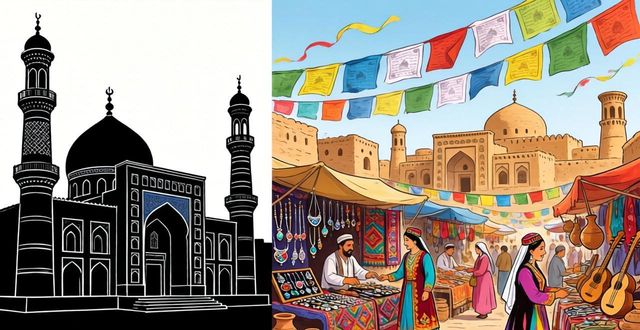
Kashgar, located in China’s far western Xinjiang region, is one of the oldest continuously inhabited cities in Central Asia. For centuries, it served as a vital crossroads on the ancient Silk Road, where traders, travelers, and cultures from China, Persia, India, and Rome converged. Today, Kashgar offers a rare glimpse into a vibrant Uyghur culture, bustling bazaars, and stunning landscapes that feel worlds away from China’s better-known megacities. Whether you are a history buff, a photographer, or an adventurous traveler, Kashgar promises an unforgettable experience.
What makes Kashgar unique

Kashgar’s uniqueness lies in its incredible cultural blend. Unlike any other city in China, Kashgar has preserved a strong Central Asian identity, with Uyghur language, Islamic architecture, and traditional crafts still thriving. You will hear the call to prayer echoing from the Id Kah Mosque, one of China’s largest, and see men in embroidered skullcaps and women in colorful scarves. The old town’s maze of mud-brick alleyways feels like stepping back in time, where coppersmiths, woodcarvers, and felt-makers work exactly as their ancestors did a thousand years ago. This authenticity is disappearing in many Silk Road cities, but Kashgar holds on tight.
Best time to visit Kashgar
The ideal time to visit Kashgar is from April to June and September to October. During these months, daytime temperatures are pleasant, ranging from 20°C to 28°C, and the famous Sunday Bazaar is in full swing without the scorching summer heat. July and August can be brutally hot, often exceeding 35°C, while winter from November to March is bitterly cold and many rural roads become impassable. Spring brings blooming apricot orchards around the nearby Karakoram Highway,and autumn offers golden light perfect for photography. Avoid January if you dislike freezing winds. Always check local travel advisories and bring layers, as desert nights get chilly even in summer.
How to get to Kashgar
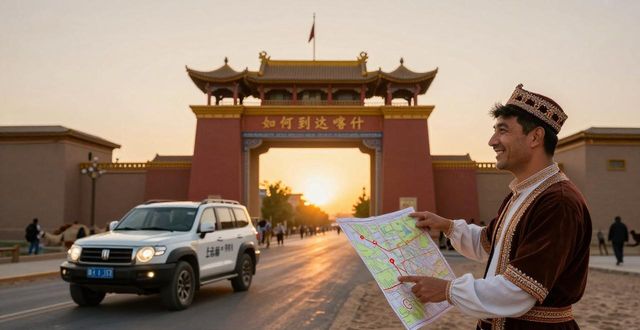
Most travelers fly into Kashgar Airport (KHG) from Urumqi, Beijing, Shanghai, or Xi’an. Direct flights from Urumqi take about two hours and are the most convenient option. Alternatively, you can take the modern high-speed train from Urumqi to Kashgar, a scenic 15-hour journey that crosses the Tianshan Mountains and the edge of the Taklamakan Desert. For the truly adventurous, the Karakoram Highway from Pakistan’s Gilgit-Baltistan region enters China at the Kunjerab Pass and ends in Kashgar. This highway is one of the world’s highest paved roads, offering jaw-dropping mountain scenery. However, the pass is only open from May to November, and you will need a Chinese visa and a special travel permit for foreign tourists.
What to eat and buy in Kashgar
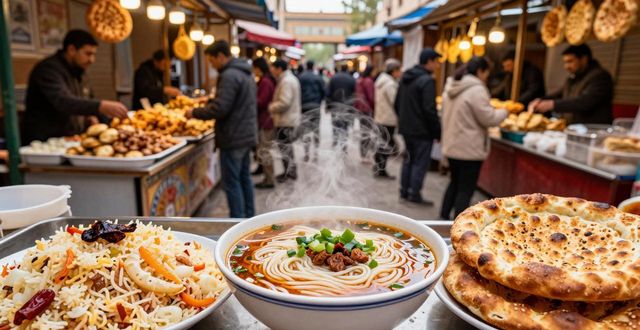
Kashgar is a paradise for food lovers and shoppers. Start with a hearty bowl of laghman (hand-pulled noodles with lamb and vegetables) or polo (pilaf rice with carrots and mutton). Street stalls sell samsa (baked lamb pies), roasted whole lamb, and sweet naan bread fresh from clay ovens. Do not leave without trying yak yogurt and fragrant Xinjiang pomegranate juice. For shopping, the Sunday Bazaar is legendary. You will find intricately carved wooden boxes, hand-woven silk and cotton fabrics, Kashmiri-style shawls, and brass teapots. Bargaining is expected, so offer about half the initial price and meet somewhere in the middle. Also visit the livestock bazaar on the outskirts, where farmers trade camels, sheep, and donkeys – a truly photogenic spectacle.
Have you ever dreamed of walking in the footsteps of Silk Road merchants, and what would you most want to experience in ancient Kashgar? Share your thoughts in the comments, and if this guide helped you, give it a like and pass it on to fellow travelers.