
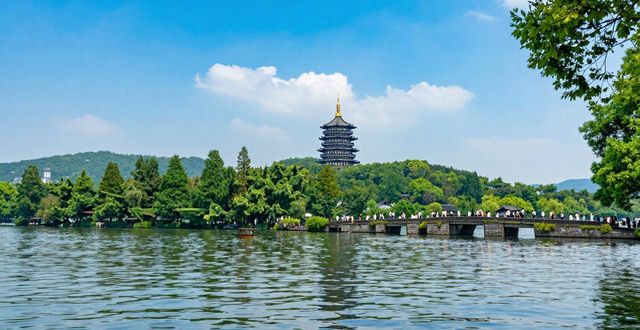
Hangzhou has long been celebrated as one of China’s most enchanting destinations, and for good reason. From the misty shores of West Lake to ancient Buddhist temples and bustling historic streets, this city offers a perfect blend of natural beauty, cultural heritage, and modern comfort. Whether you have three days or a full week, knowing which spots truly deserve your time will make all the difference. This guide focuses on the most popular tourism spots in Hangzhou, giving you practical tips to enjoy them like a local.
What to see at West Lake
West Lake is the undeniable heart of Hangzhou, and no trip is complete without experiencing its famous ten scenic views. Start your morning at Broken Bridge, which isn’t actually broken – the name comes from snow melting in winter. Then take a leisurely walk along Su Causeway, lined with weeping willows and peach trees. For the best postcard photo, rent a small boat and cruise to Three Pools Mirroring the Moon, featured on the back of China’s one-yuan note. If you have energy, hike up Solitary Hill for a panoramic view. Most visitors spend half a day here, but you could easily linger for a full day just watching the light change over the water.

To avoid the biggest crowds, arrive before 8 a.m. or after 4 p.m. on weekdays. Spring and autumn offer the most pleasant weather, while winter gives you a quieter experience with occasional snow. Avoid national holidays like October’s Golden Week unless you enjoy shoulder-to-shoulder walking. Bike sharing is widely available around the lake – a cheap and fun way to cover more ground. Remember to carry water and sunscreen, as shaded areas are limited along certain sections. Also, many of the best views are free, though boat rides and some gardens have small entrance fees.
How to visit Lingyin Temple without crowds
Lingyin Temple, or “Soul’s Retreat,” is one of China’s largest and most significant Buddhist temples, dating back over 1,600 years. Its main hall houses a stunning 24-meter-tall camphor wood statue of the Buddha. However, it’s also extremely popular, often drawing thousands of visitors daily. To enjoy it peacefully, plan your visit on a Tuesday or Wednesday, arriving right when the gates open at 7 a.m. Alternatively, come an hour before closing time – around 4 p.m. – when most tour groups have left. The soft afternoon light filtering through the ancient trees creates a magical atmosphere inside the temple courtyards.
Do not skip the Feilai Feng grottoes right next to the temple. This limestone hill is carved with over 300 Buddhist rock carvings from the 10th to 14th centuries, many hidden in small caves. They are easily missed by rushed visitors, so take your time exploring. Wear comfortable shoes because there are stairs and uneven paths. Tickets are sold as a combined entry (around 75 RMB), and it’s wise to buy them online the night before. Inside, you’ll find a simple vegetarian noodle restaurant – a good option for a quiet lunch. Respect local customs by dressing modestly and speaking softly within the temple halls.
Best local foods near Hefang Street
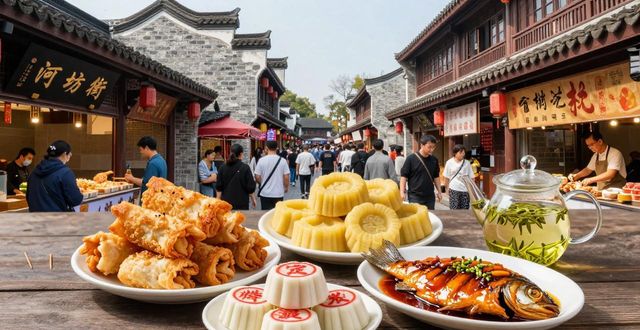
Hefang Street is a restored ancient thoroughfare that serves as Hangzhou’s culinary heart. The smells of sizzling snacks will guide you from one vendor to another. Start with ding sheng gao (steamed rice cakes filled with red bean paste) – they are soft,slightly sweet, and perfect for a quick bite. Then try the city’s signature dish, Pian Er Chuan (fried noodles with bamboo shoots and pickled vegetables), available at small family-run shops. For something more adventurous, look for stinky tofu; even if the name scares you, the crispy exterior and tender interior might win you over. A bottle of osmanthus honey tea, made from local flowers, is a refreshing way to cool down.
Venture a block away to the narrower Gaoyin Street for even more authentic options. Here you can find “beggar’s chicken” – a whole chicken wrapped in lotus leaves and baked in clay, though you’ll need a group to finish it. Street vendors sell candied hawthorns on sticks, similar to candied apples but tangier. For dessert, try the flaky green-bean cakes. Most snacks cost between 5 and 20 RMB, so you can sample widely without breaking your budget. The best time to visit is late afternoon when the street lights begin to glow. Avoid the main lunch rush from 12 to 1 p.m., as seating becomes scarce. Bring small cash or use mobile payments like Alipay, which is accepted by almost every vendor.
Where to take the best photos of the Grand Canal
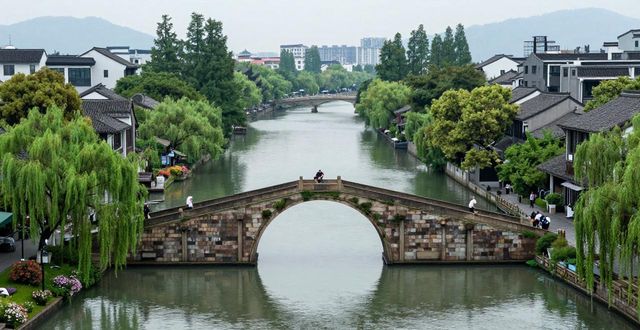
The Grand Canal, the longest man-made waterway in the world, runs right through Hangzhou’s northern neighborhoods. While most tourists focus on West Lake, the canal offers a peaceful and photogenic alternative. Head to Gongchen Bridge, a 400-year-old stone arch bridge that has become the icon of the canal district. For the classic shot, position yourself on the bridge at sunset, waiting for a traditional wooden boat to pass underneath – the golden light reflecting off the water is stunning. Just below the bridge, the old warehouses have been turned into museums and art spaces, their red-brick walls providing a nice contrast.
For a different perspective, walk along the Xiaohe Straight Street (Xiaohe Zhijie), a preserved water town neighborhood. Here, narrow alleys run beside the canal, with hanging laundry and potted plants adding life to every frame. Early morning mist rises from the water, giving a dreamy quality to photos taken around 6 a.m. Don’t miss the free viewpoint from the top of the Canal Museum’s observation deck – you can see the entire bend in the river. The best part? These spots are almost never crowded, even on weekends. Bring a tripod if you want to capture long exposures of the passing cargo boats at night, when the street lamps create beautiful reflections.
Now it’s your turn: Which of these Hangzhou spots are you most excited to visit first, and do you have any hidden gems to share with fellow travelers? Drop your thoughts in the comments below – and don’t forget to like and share this guide with your travel buddies.