
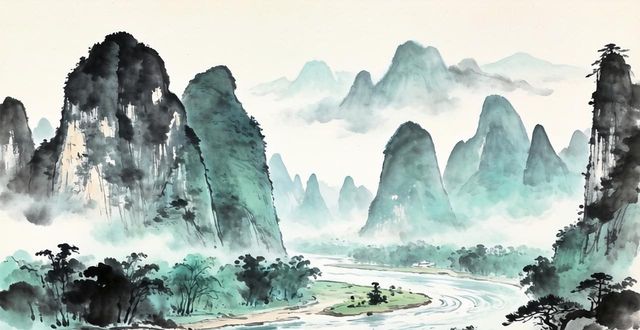
Guilin landscape painting is one of China’s most treasured art forms, capturing the iconic karst mountains, winding Li River, and misty villages that have inspired poets and painters for centuries. For foreign travelers and art lovers, understanding these paintings opens a window into Chinese philosophy, nature worship, and brush-painting techniques. This guide will walk you through the unique features of Guilin’s scenery in art, how to start painting it yourself, and why these works remain so captivating today.
What makes Guilin landscape painting unique

Unlike Western landscape art, which often focuses on realistic light and shadow, Guilin landscape painting emphasizes spirit and rhythm. The towering limestone peaks are not just geographical features—they represent the Daoist ideal of harmony between heaven and earth. Artists use soft ink washes to create layers of mist, making distant mountains fade into the paper’s white emptiness. This technique, called “留白” or “leaving blank,” invites viewers to complete the scene with their imagination. The Li River is painted as flowing lines, never rigid or straight, mimicking the movement of calligraphy strokes. That’s why each Guilin painting feels alive, as if the mountains breathe and the water sings.
How to paint Guilin mountains and rivers
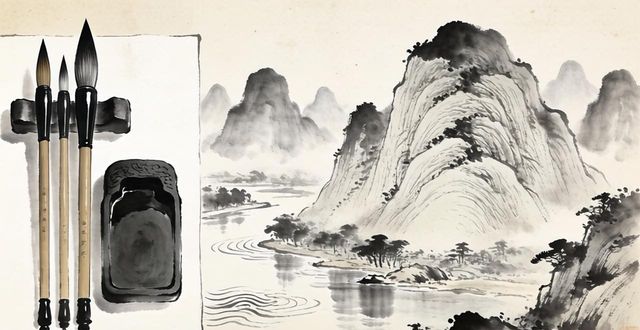
If you want to try painting Guilin yourself, start with the right tools: a soft brush, rice paper, and a stick of pine-soot ink. First, practice drawing “cun” textures—short, dry brushstrokes that imitate the weathered cracks on karst hills. Hold the brush vertically and use only the tip for sharp peaks, then flatten it for the rounded foothills. For the river, load the brush with water and a touch of light ink, then pull it horizontally in a single, swift motion. Never go back over a stroke. Remember, Guilin paintings are not about exact geography; they capture the feeling of drifting on a bamboo raft at dawn, when fog wraps every mountain in mystery. Leave plenty of empty space for clouds and water reflection. Many beginners find this freedom difficult, but it is the very soul of Chinese art.
Why you should hang a Guilin landscape in your home
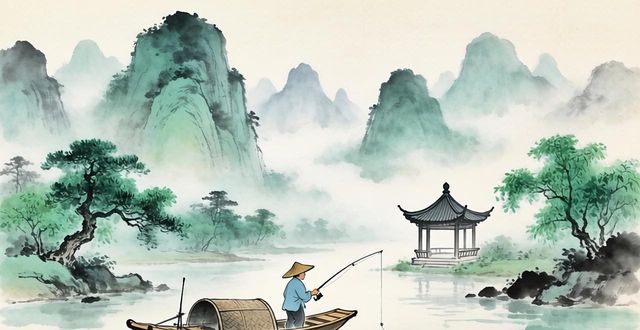
Beyond beauty, Guilin landscape painting brings a calming energy into any room. Studies show that viewing misty mountain scenes reduces stress and improves focus—perfect for home offices or living rooms. The composition often includes a tiny fisherman or a solitary pavilion, reminding us that humans are small but connected to nature’s vast rhythm. For Western collectors, these paintings are also affordable entry points into Asian art, with original works starting from around fifty dollars in local galleries. Even high-quality prints or reproductions can transform a blank wall into a window overlooking the Li Valley. More importantly,owning one starts conversations. Guests will ask about the strange-shaped hills, and you can share the legend of the “Nine Horses on the Mountain” hidden in the cliff faces. It becomes not just decoration, but a story.
Now I’d love to hear from you—have you ever seen a real Guilin landscape painting, or would you consider hanging one in your own home? Share your thoughts in the comments, give this guide a like if you found it useful, and pass it along to a friend who loves art or travel!