

China offers several visa-free border crossing options that allow travelers from many countries to enter for short stays without applying for a traditional visa. These policies are designed to boost tourism and business exchanges, and they apply mainly to major international airports and select land ports. If you are planning a layover or a quick visit to neighboring regions, understanding these rules can save you time and money. Here is everything you need to know about China’s visa-free border crossings in 2026.
What are the visa free border crossings in China
The most common visa-free border crossings are at international airports in cities like Beijing, Shanghai, Guangzhou, Chengdu, and Xi’an. These airports support the 144-hour transit without visa (TWOV) program for eligible nationalities. Additionally, some land border crossings with Hong Kong and Macau, such as Shenzhen’s Luohu and Zhuhai’s Gongbei ports, offer limited visa-free access for travelers who hold valid visas to those special administrative regions. Another important category is the 24-hour visa-free transit available at almost all open ports, including major airports and designated land checkpoints like Manzhouli (Russia border) and Horgos (Kazakhstan border).

How long can I stay under visa free transit
The permitted stay length depends on the port and your travel itinerary. For the 144-hour (6 days) TWOV, you can stay in the designated areas of specific provincial regions. For example, entering through Shanghai allows you to travel within Shanghai, Jiangsu, and Zhejiang. The 72-hour TWOV is offered at some smaller airports like Guilin and Kunming. The 24-hour visa-free transit is available nationwide, allowing you to remain within the city or province of arrival without leaving the designated transit zone. Important: you must have a confirmed onward ticket to a third country or region (not the one you came from) within the allowed time window.
Which countries are eligible for China visa free border crossings
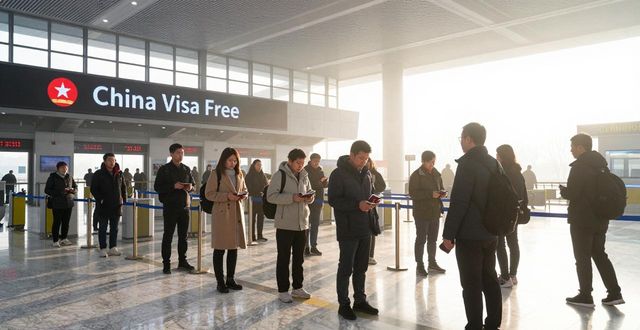
Currently,53 countries are covered under the 144-hour and 72-hour TWOV policies, including the United States, Canada, the United Kingdom, Australia, Japan, South Korea, Germany, France, and most other European Union nations. For the 24-hour transit, almost any nationality can qualify as long as you meet the basic requirements. However, citizens of certain countries may be subject to additional checks. Always check the updated list from China’s National Immigration Administration before traveling. Some land border ports may have extra bilateral agreements – for instance, residents of border towns in Russia and North Korea can sometimes enter for short shopping trips, but these are not available to general tourists.
What documents do I need for visa free entry
You will need your valid passport with at least six months remaining validity, a confirmed airline ticket or train ticket showing your departure from China to a third country or region within the allowed time frame, and a completed arrival card. For land border crossings from Hong Kong or Macau, you also need a valid entry permit to those regions. The immigration officer may ask for proof of accommodation or sufficient funds, though this is rarely enforced for short transit stays. Make sure your passport has blank visa pages. Without these documents, you may be denied entry and could face fines or a ban from future visa-free travel.
Tips for a smooth visa free border crossing experience
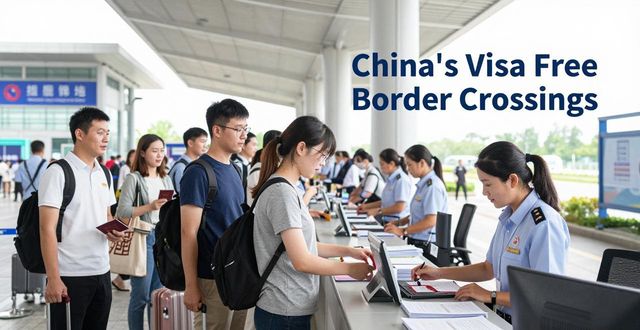
Always clearly explain your transit itinerary to the immigration officer and show your onward ticket. Do not overstay – even a few extra hours can result in fines of 500 RMB per day and possible blacklisting. Keep printed copies of your hotel booking and flight confirmation, as mobile signal may be unreliable at border checkpoints. If you are crossing via a land port, arrive early because processing can be slower than at airports. Also note that you cannot work or study under visa-free status – only tourism, transit, or short business meetings are allowed. For longer visits, you still need to apply for a regular visa at a Chinese embassy before departure.
Now I’d like to hear from you – have you ever used China’s visa-free border crossings, and what was your experience like at the immigration counter? Share your story in the comments below, and don’t forget to like and share this guide with fellow travelers.