
When people think of Chinese food, they often imagine complex techniques and exotic ingredients. But the truth is, many authentic Chinese food recipes are surprisingly simple and perfect for home cooks. With a few basic pantry staples and straightforward steps, you can recreate bold, satisfying flavors in your own kitchen. This guide will walk you through essential tips, popular dishes, and easy methods to get you started.
What makes Chinese food so flavorful

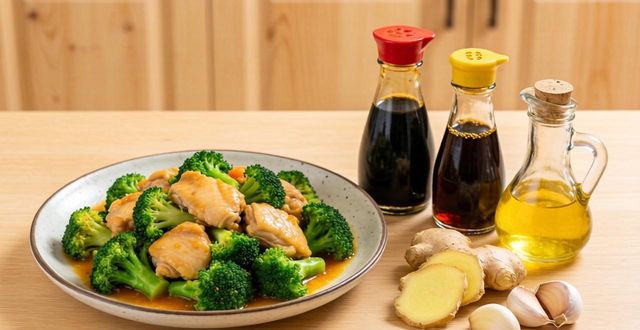
The secret lies in a handful of foundational ingredients. Soy sauce, oyster sauce, sesame oil, ginger,and garlic show up in nearly every savory dish. These items create layers of umami, saltiness, and aroma without needing hours of preparation. For example, a simple stir-fry of chicken and broccoli transforms when you add a splash of light soy sauce and a pinch of sugar. Another key player is fermented bean paste or black vinegar, which adds depth. You don’t need a full Asian grocery haul—just start with these basics, and you’ll taste the difference immediately. Many beginners worry about authenticity, but most classic Chinese food recipes have flexible variations that still taste fantastic.
How to stir-fry like a pro
Stir-frying is the heart of countless Chinese food recipes, but it’s easy to master at home. The most important rule is preparation: chop all your vegetables and meat before turning on the heat. This method—often called “mise en place”—ensures you cook quickly without burning anything. Use a wok or a large non-stick pan, and get it very hot before adding oil. Cook meat first, remove it, then stir-fry aromatics like garlic and ginger for just 30 seconds. Toss in vegetables, add the meat back, and pour your sauce mixture over everything. The entire process takes about 5 minutes. Keep the portions small; if you overload the pan, food steams instead of sears. With practice, you’ll achieve that signature smoky flavor called “wok hei” even on a regular stove.
Best rice and noodle recipes for everyday meals
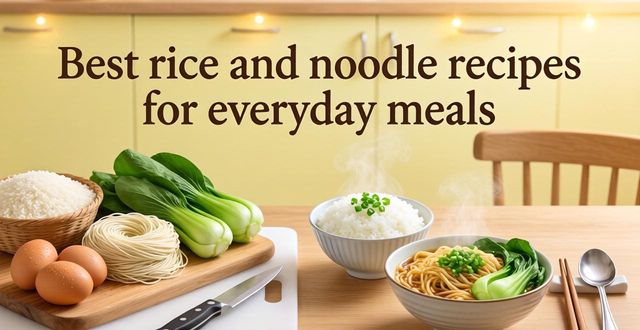
For quick weeknight dinners, nothing beats fried rice or lo mein. Both start with leftover ingredients, making them budget-friendly. For fried rice, use cold, day-old rice—fresh rice turns mushy. Scramble an egg, set it aside, then stir-fry peas, carrots, and onion. Add the rice, break up clumps, and season with soy sauce and a dash of white pepper. Mix in the egg and garnish with green onions. For noodles, boil any thin wheat noodle or even spaghetti. In a hot pan, cook ground pork or mushrooms with garlic, then add cooked noodles, a mix of soy sauce, oyster sauce, and a little sugar. Toss until coated. Both dishes take under 15 minutes and use common vegetables. Feel free to substitute whatever you have in the fridge—broccoli, bell peppers, or leftover chicken all work perfectly.
Quick tips for beginners
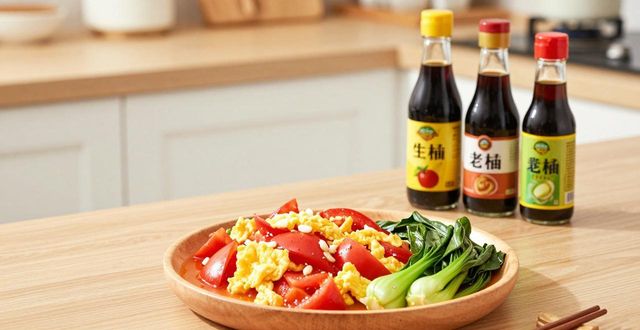
Start with simple recipes like tomato egg stir-fry or garlic bok choy. These require only three or four ingredients and teach you the rhythm of Chinese cooking. Avoid buying too many specialty sauces at once; light soy, dark soy (for color), and oyster sauce cover 80% of dishes. Another common mistake is using too much heat for delicate items—for example, scrambled eggs with tomatoes should be cooked on medium. Taste as you go; Chinese food recipes rely on balance between salty, sweet, sour, and umami. If a dish tastes flat, a pinch of sugar or a few drops of rice vinegar often saves it. Finally, don’t skip the garnish of fresh scallions or a drizzle of sesame oil right before serving—it brightens everything.
Have you tried cooking a Chinese dish at home, and what’s the one ingredient you find most intimidating or confusing? Share your experience in the comments below—and if these tips help you, please like and share this article with fellow home cooks!