
Vegetarian Chinese cuisine is far more than just steamed vegetables or simple tofu dishes. It is a rich culinary tradition that has evolved over thousands of years, deeply influenced by Buddhist practices and the philosophy of balancing flavors, textures, and nutrition. From crispy spring rolls to fragrant stir-fried noodles and hearty mock-meat stews, Chinese vegetarian food offers incredible variety, bold tastes, and satisfying meals that even meat lovers will enjoy. In this article, I will share five simple yet authentic recipes, break down essential ingredients, and explain cooking techniques that make Chinese vegetarian dishes so delicious and healthy.
Essential ingredients for vegetarian Chinese cuisine

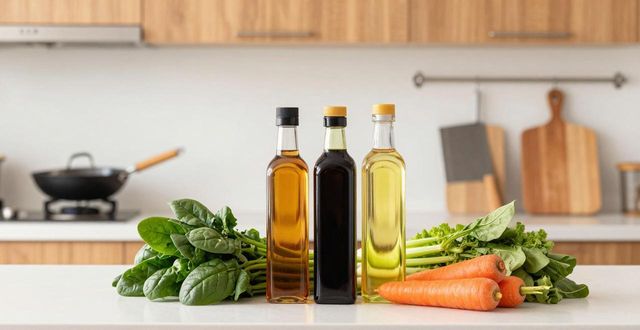
To cook authentic vegetarian Chinese food at home, you need a few key pantry staples that build the foundation of flavor. Light soy sauce and dark soy sauce are must-haves — light soy adds saltiness, while dark soy provides a rich caramel color and deeper taste. Toasted sesame oil, with its nutty aroma, is often used as a finishing oil. Fresh ginger, garlic, and spring onions form the classic “holy trinity” that starts most stir-fries. For umami without meat, dried shiitake mushrooms, fermented bean curd, and vegetarian oyster sauce (made from mushrooms) work wonders. These ingredients are widely available in Asian grocery stores or online, and they will transform ordinary vegetables into extraordinary dishes. Once you stock your pantry, you can create countless meals with just a few fresh vegetables and noodles or rice.
How to make tofu taste delicious and meaty
Many beginners find tofu bland, but the secret lies in proper preparation and bold seasoning. Start with extra-firm or firm tofu, press it for 30 minutes to remove excess water, then tear it into bite-sized chunks by hand — the rough edges absorb sauces better than smooth cuts. Marinate the tofu in a mixture of soy sauce, rice wine, minced ginger, and a pinch of five-spice powder for at least 20 minutes. When stir-frying, use a hot wok with generous oil and let the tofu sit undisturbed for 2–3 minutes until a golden crust forms. For a meaty texture, try freezing the tofu overnight, then thawing and pressing it; this creates a spongy, layered structure that soaks up braising liquids like a pro. Tofu can mimic chicken, pork, or even fish when paired with the right sauces and cooking methods.
Simple stir-fry techniques for crispy vegetables
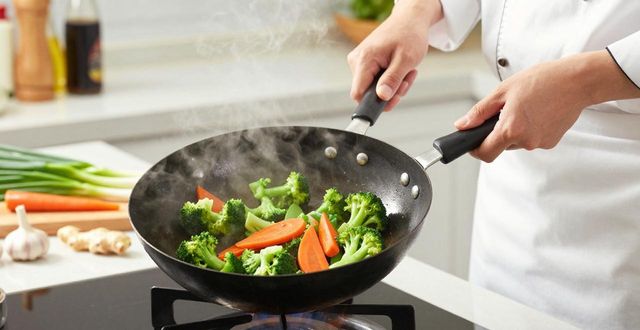
Stir-frying is the heart of Chinese cooking, but achieving crisp, vibrant vegetables requires speed and high heat. First, cut all vegetables into uniform sizes — thin slices or small florets work best. Heat your wok or large skillet until a drop of water evaporates instantly, then add high-smoke-point oil like peanut or avocado oil. Cook ingredients in batches: start with aromatics (ginger, garlic, scallions), then add vegetables that take longer to cook, such as carrots or broccoli stems. Keep the heat on high throughout, and constantly toss — a wooden spatula or wok shovel helps. The entire cooking process should rarely exceed 3–4 minutes, preserving both crunch and nutrients. Finish with a splash of vegetarian oyster sauce or a slurry of cornstarch and water to lightly coat the vegetables without making them soggy.
Nutritional benefits of plant-based Chinese meals
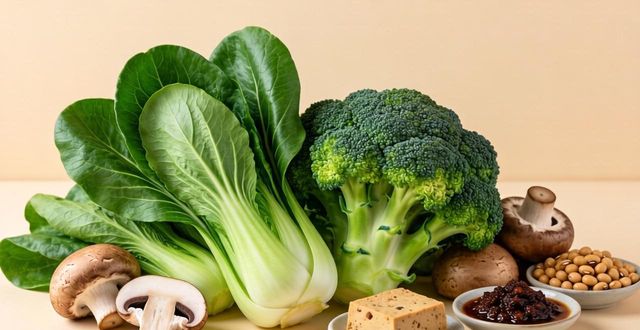
A well-planned vegetarian Chinese diet is naturally low in saturated fat and rich in fiber, vitamins,and antioxidants. Dark leafy greens like bok choy and Chinese broccoli provide high levels of vitamin K, vitamin C, and iron. Mushrooms and fermented soybean products offer plant-based protein and B vitamins. Tofu and tempeh deliver complete protein containing all essential amino acids. Many traditional Chinese vegetarian dishes also incorporate seaweed, sesame seeds, and nuts for healthy omega-3s and minerals. Unlike Western-style vegetarian comfort food that often relies on cheese or processed ingredients, Chinese cuisine uses spices, vinegars, and fermented condiments to create complex flavors without excessive calories. Regular consumption of these dishes can support heart health, improve digestion, and help maintain a healthy weight.
Have you tried cooking Chinese vegetarian dishes at home, and if so, which vegetable or tofu recipe surprised you the most? Share your experience in the comments — your tip might inspire someone else to give plant-based Chinese cooking a try. Don’t forget to like and share this article with friends who are curious about meatless meals!