

When people ask me about Xiamen, I always say it’s a coastal gem where history meets relaxation. This southeastern Chinese city is famous for its islands, colonial architecture, and laid-back vibe. In this guide, I’ll walk you through the top scenic spots that foreigners love, with practical tips to make your trip smooth and unforgettable.
Best Xiamen scenic spots for first-timers
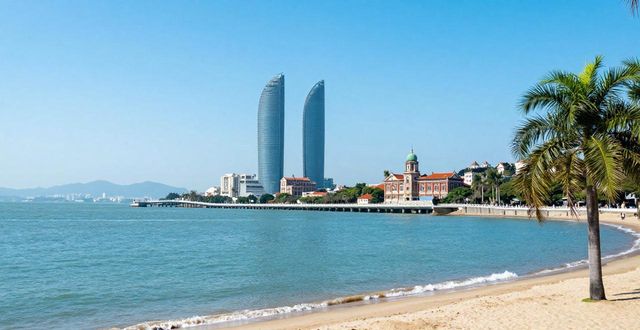
Gulangyu Island is the absolute must-see. A five-minute ferry from downtown takes you to this car-free island, where 19th-century European mansions hide among lush banyan trees. Walk up to Sunlight Rock for a panoramic view of the whole city. Don’t miss the Piano Museum – over 100 antique pianos tell a unique story of this “Island of Music.” Many foreigners spend a full day here, but I suggest arriving before 9 a.m. to avoid crowds.

Another essential spot is Nanputuo Temple, nestled at the foot of Wulao Peak. This active Buddhist temple dates back to the Tang Dynasty, yet its atmosphere remains peaceful. You can join locals in lighting incense or hike the small mountain behind for a breathtaking view of Xiamen University and the sea. The temple is free, and vegetarian noodles from the dining hall are a hidden treat – just follow the monks’ line.
How to get around Xiamen scenic areas easily
Xiamen’s public transport is foreigner-friendly. The BRT (Bus Rapid Transit) has signs in English and connects the airport to major spots. For Gulangyu, book ferry tickets online (official WeChat mini-program works with passport numbers) at least three days ahead. Once on the island, walking is the only way – wear comfortable shoes. Between Gulangyu and the mainland, taxis are cheap; just show the Chinese name of your destination.
Cycling is a local favorite. The famous Huandao Road (Ring Road) offers a 30‑km coastal bike path with views of beaches, sculpture parks, and even a “One Country, Two Systems” sign facing Taiwan. You can rent public bikes using Alipay – set it up before your trip. For a relaxed afternoon, take the subway to Jimei Village, where Spanish-style buildings and quiet alleys feel like a hidden time capsule.
Xiamen hidden gems beyond the tourist map
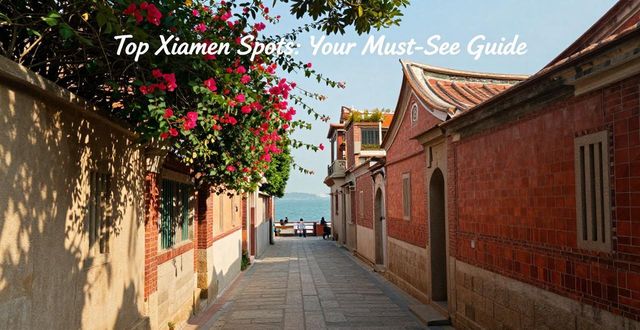
Skip the crowded Zhongshan Road night market sometimes. Instead, explore Shapowei Art Zone – a former fishing village turned hipster quarter. Old boats become art installations, and cafes serve locally roasted coffee beside seaside temples. Many travelers miss the Bajiaoyu (Octagonal Pool) area, where narrow lanes are lined with 1920s shophouses. I once found a second-floor teahouse there with a view of old Xiamen’s slanted roofs.
For nature lovers, the Botanical Garden is a surprise hit. It’s huge – take the shuttle to the Desert Area first, then walk down through rainforest and succulent hills. The 5‑meter‑tall cacti make unreal photos. Exit through the west gate, and you’re instantly at Xiamen University’s back gate. A tip: go on a weekday morning; locals jog here, but weekends get packed.
When to visit Xiamen scenic spots for best weather
October to December is perfect – sunny skies, 20‑25°C, and low humidity. Spring (March–April) brings flowers but also occasional drizzle. Summer (June–September) is hot and humid, with frequent typhoons. If you must come in summer, pack an umbrella and plan indoor spots like the Xiamen Museum (free, air‑conditioned) for afternoons.
Winter (January–February) is mild (10‑15°C) but can be windy by the sea. Fewer tourists mean cheaper hotels and emptier ferries. I’ve visited in January and had Gulangyu’s beaches almost to myself. Just bring a jacket. Whichever season you choose,always check the ferry schedule for Gulangyu – it changes with weather.
Now, here’s a question for you: Have you ever visited a destination that completely surprised you with its hidden corners – and what would you most want to experience first in Xiamen? Share your thoughts below, and don’t forget to like and share this guide with fellow travelers!