
China’s high-speed rail network is the world’s largest and most punctual, but understanding its schedule system can be tricky for first-time travelers. Whether you’re booking from Beijing to Shanghai or planning a remote route, knowing how to read, search, and adapt to train timetables will save you time and stress. This guide breaks down everything from seasonal changes to real-time updates.
How often does China high speed train schedule change

China’s train schedules shift multiple times a year, usually in January, April, July, and October. These adjustments align with national holidays, seasonal travel peaks, and new rail line openings. For example, during Spring Festival (late January to early February), extra overnight trains appear on popular routes like Guangzhou–Chengdu. The July change often adds summer holiday services to tourist cities like Xi’an and Guilin. Always check the official app or its English version exactly 15 days before your trip – that’s when tickets drop. Ignoring these changes might leave you staring at a “no trains” screen while everyone else has already booked.
Best app to check China high speed train schedule in English
The official 12306 app now has a fully functional English interface, but many foreigners prefer or China Train Booking for cleaner design and customer support. updates schedules in real time and accepts international credit cards without a Chinese phone number. For pure accuracy, nothing beats the 12306 website – it shows last-minute delays, platform changes, and seat availability down to the second. However, its English version hides some advanced filters. A pro tip: download both. Use 12306 for exact schedule verification, then book through a third-party app if you need flexible cancellation. Never rely on Google Maps or Apple Maps; they often show outdated rail data.
Can I book a same day ticket on China high speed train schedule
Yes, but with big caveats. Same-day tickets are available for most non-holiday weekdays,especially on high-frequency corridors like Beijing–Tianjin (every 10 minutes) or Shanghai–Hangzhou (every 15 minutes). During Golden Week (October 1–7) or Labor Day (May 1–3), same-day seats vanish by 8 AM. Even on normal days, last-minute booking means you’ll likely get standing-room only or a seat in the slower D-series train (250 km/h) instead of the G-series (350 km/h). The schedule window for same-day purchases runs from 5 AM to 11 PM local time. If you miss that, some stations have self-service kiosks that allow booking up to 25 minutes before departure – but only for routes with spare digital tickets.
What happens when high speed train China schedule shows no tickets
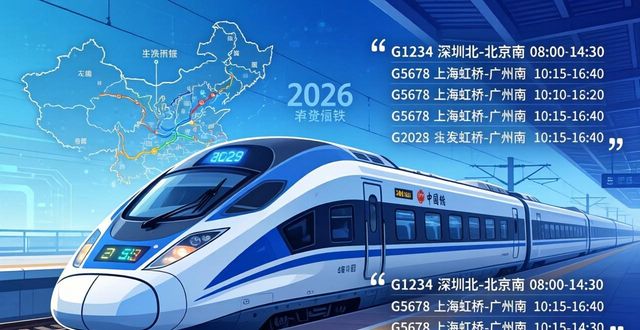
Don’t panic. A “sold out” display on 12306 doesn’t mean all hope is lost. The system releases withheld tickets at three specific times: 12:30 PM, 1:30 PM, and 5:30 PM one day before departure. These are seats returned by group bookings or station quotas. Another trick: search for a station one stop before or after your actual destination. For instance, if Beijing–Shanghai shows zero, try Beijing–Jinan (where many passengers get off) and then buy a separate ticket Jinan–Shanghai. The schedule often has hidden capacity on overlapping segments. Finally, set up a waitlist request on 12306 – if someone cancels, the system automatically assigns you a seat. I’ve seen waitlists clear within two hours on busy Friday evenings.
Have you ever been caught off guard by a sudden train schedule change in China, and what’s your backup plan for next time? Share your story below and help fellow travelers stay on track. If you found this useful, hit like and save it for your next China trip.