
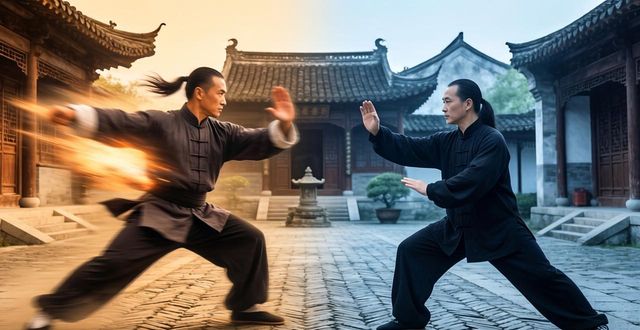
Chinese Kung Fu and Tai Chi represent far more than just physical movements or self-defense techniques; they are profound cultural treasures that embody thousands of years of Chinese philosophy, health wisdom, and spiritual pursuit. For many Westerners, these ancient practices may appear mysterious or even intimidating, yet they offer accessible pathways to improved fitness, mental clarity, and inner peace. This article will demystify these martial arts, exploring their unique benefits, historical roots, and practical applications for modern life.
Is Tai Chi just slow motion Kung Fu

Many newcomers mistakenly believe that Tai Chi is simply a slower, softer version of Kung Fu. While both originate from Chinese martial traditions, they serve different purposes and follow distinct principles. Kung Fu emphasizes explosive power, speed, and practical combat applications, with styles like Wing Chun or Shaolin requiring rigorous physical conditioning. Tai Chi, on the other hand, prioritizes internal energy cultivation, balance, and fluid motion. Think of Kung Fu as a sprint and Tai Chi as a meditative walk – both exercise your body but through fundamentally different approaches. Understanding this distinction helps practitioners choose the practice that aligns with their personal goals.
What health benefits can Westerners expect
Regular practice of Kung Fu and Tai Chi delivers measurable improvements in cardiovascular health, muscle strength, and joint flexibility. Studies have shown that Tai Chi significantly reduces the risk of falls among older adults by enhancing proprioception and core stability. For younger practitioners, Kung Fu training builds explosive leg strength, hand-eye coordination, and functional agility that transfers to daily activities. More importantly, both arts lower cortisol levels and reduce chronic pain, with Tai Chi being prescribed by doctors for conditions like arthritis and hypertension. Unlike high-impact sports that strain joints, these low-impact movements promote longevity and sustainable fitness.
How to start training without a local teacher
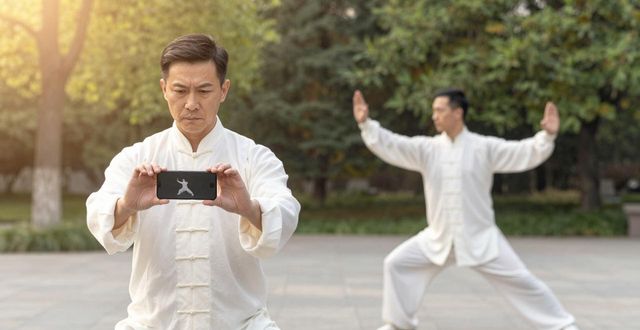
Living far from a Chinese martial arts school should not stop you from beginning your journey. Start with YouTube channels hosted by certified masters – look for those demonstrating Yang-style Tai Chi or Shaolin basic stances. Purchase a quality instructional DVD set that breaks down forms into ten-minute daily segments. For Kung Fu, focus first on stance training (horse stance, bow stance) and basic kicks like front snap kick or side thrust kick. Practice in front of a mirror to correct alignment, and film yourself monthly to track progress. Join online forums such as Reddit’s r/kungfu or Tai Chi Facebook groups where experienced practitioners offer feedback on your videos. Remember that consistency matters more than intensity – fifteen minutes daily outperforms two hours weekly.
Why combine breathing with movement patterns
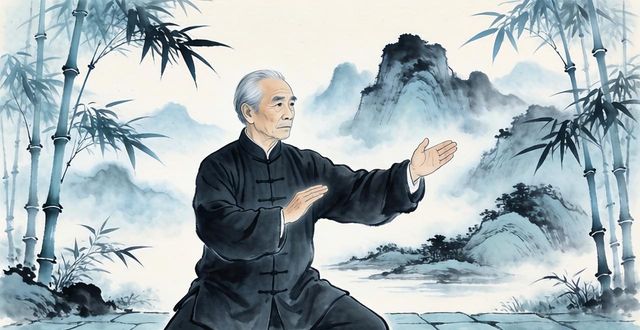
Both Kung Fu and Tai Chi place extraordinary emphasis on coordinated breathing because it transforms exercise into moving meditation. In Tai Chi,each expansion of the arms matches an inhalation, while contractions align with exhalation – this rhythm calms the nervous system and improves lung capacity. Kung Fu teaches reverse breathing during strikes, where the abdomen compresses on inhale to generate explosive power. By consciously linking breath to motion, practitioners activate the parasympathetic nervous system, reducing anxiety and sharpening focus. Over time, this integration lowers resting heart rate and enhances oxygen efficiency, making daily activities feel less taxing. Many students report sleeping better and handling workplace stress more calmly after just three weeks of proper breathing practice.
Have you ever tried incorporating slow, deliberate movements into your workout routine, or would you prefer to learn more about a specific style like Wing Chun or Chen-style Tai Chi? Share your thoughts below and don’t forget to pass this article along to anyone curious about Eastern wellness practices.