
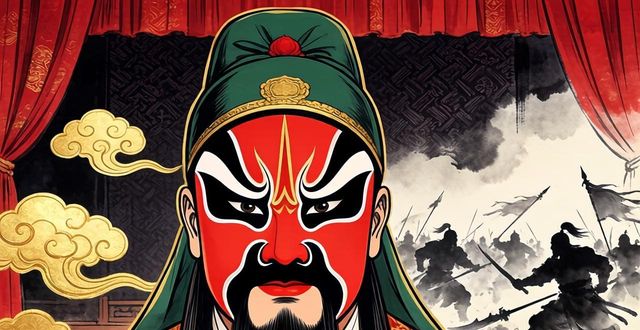
Beijing Opera masks, known as lianpu, are far more than decorative face paint. They form a visual language that tells audiences everything about a character’s personality, fate, and moral alignment before a single word is sung. For foreigners new to this art, understanding these masks unlocks the emotional core of every performance. Each color, pattern, and shape carries centuries of symbolic meaning, turning the actor’s face into a living story. This guide will help you read those stories and appreciate the genius behind China’s most iconic theatrical tradition.
What Mask Colors Mean

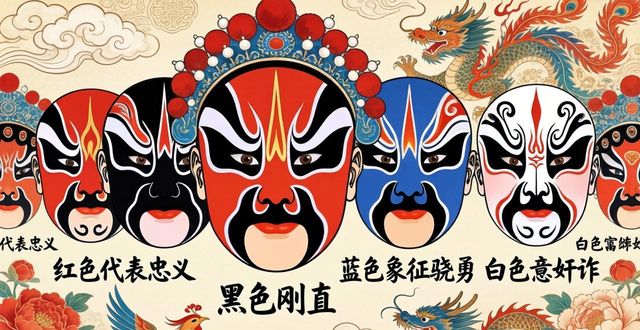
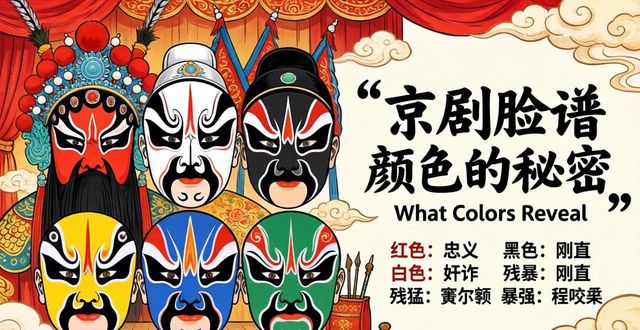
Red is the most common color and represents loyalty, courage, and righteousness. Heroes like Guan Yu, a famous general from the Three Kingdoms period, always wear red masks. Black, by contrast, signals integrity and impartiality but also a rough or fierce nature. The beloved judge Bao Zheng wears a black mask with a white crescent moon on his forehead, showing he can see both good and evil. White masks belong to cunning, suspicious, and power-hungry characters like Cao Cao. A white face tells you immediately: this man cannot be trusted. Blue and green masks point to stubborn, brave, and sometimes violent warriors. Yellow suggests ambition, intensity, or hidden cruelty. Gold and silver are reserved for gods, ghosts, and supernatural beings, adding a mystical glow to the stage.
How to spot a hero or a villain
Beyond basic colors, small details in the mask design separate heroes from villains. Heroes often have clean, simple patterns with smooth lines and bright, solid colors. Their masks look dignified and powerful, never messy. Villains, however, get exaggerated features like twisted eyebrows, drooping mouths, or sharp, angular patches around the eyes. A classic villain mask uses white as the base color with dark, jagged shapes around the eyes and mouth, creating a sneering or scheming expression. Some masks even include scars or asymmetrical patterns to suggest physical ugliness matching moral corruption. Take note of the forehead mark: a full red dot might indicate a wise ruler, while a spiral or wave pattern hints at a hot-tempered general. These tiny signals help even first-time viewers predict plot twists long before the story reveals them.
Why patterns tell hidden stories
Masks also use animal and object patterns to reveal a character’s identity or supernatural power. A monkey face with a peach-shaped outline immediately signals Sun Wukong, the legendary Monkey King. Frogs, dragons, or butterfly wings painted around the eyes suggest magical abilities or a connection to nature. Some masks feature coins, axes, or flames to show a character’s profession or destructive nature. For example, a bandit might have a small dagger painted near his temple, while a fire god’s mask includes wavy red and yellow lines rising from the brows. These symbolic patterns allow the audience to grasp complex backstories in seconds. Even the shape of the eyes matters: round eyes mean frankness and energy, while narrow, slanted eyes imply slyness or age. Once you learn these visual clues, you can “read” a Beijing Opera mask like a comic book page.
Where to see authentic masks today
The best place to experience real Beijing Opera masks is live in China, especially at the Liyuan Theatre in Beijing or the Tianchan Theatre in Shanghai. These venues still perform traditional pieces like The Mask of the Queen or Farewell My Concubine, where actors spend over an hour painting their own faces before each show. Many theaters offer backstage tours where you can watch the makeup process up close. If travel isn’t possible, look for high-quality museum exhibitions at the Beijing Opera Museum or the National Centre for the Performing Arts. Online,the YouTube channel “Peking Opera World” posts full performances with English subtitle explanations of each mask’s meaning. However, avoid cheap souvenir masks sold at tourist shops—they often use incorrect colors and patterns that completely change the character’s story. For learning, seek out books by Chinese opera scholar Dr. Li Ruru or watch videos from professional troupes like the Jingju Theatre Company of Beijing.
Have you ever seen a live Beijing Opera performance, or would you recognize a hero just by the color of his mask? Share your thoughts in the comments, and don’t forget to like and share this guide with fellow culture lovers!