
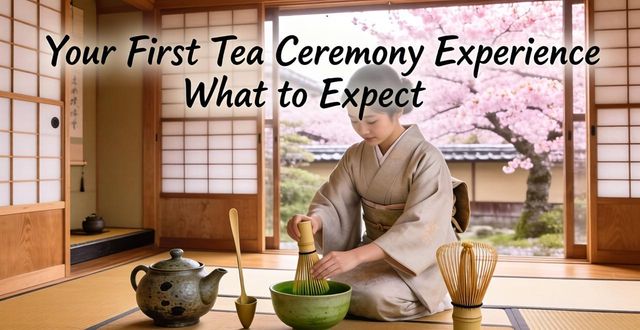
A tea ceremony experience is much more than just drinking a cup of tea. It is a quiet, graceful ritual that has been perfected over centuries, especially in Japan. For many foreigners,attending a tea ceremony can feel mysterious or even intimidating because every movement seems carefully planned. But once you understand the basic ideas behind it, you will realize that this is a beautiful way to slow down, appreciate the present moment, and connect with the host and other guests. In this guide, I will walk you through what a tea ceremony really involves, how to behave properly, and why this experience stays with you long after the tea is finished.
What is a tea ceremony experience really about
At its heart, a tea ceremony experience is about mindfulness and respect. The host, often called the tea master, spends years learning how to prepare the powdered green tea known as matcha. Every action – from folding the cloth to scooping the tea powder – has a reason. The ceremony is not meant to be fast or efficient. Instead, it invites you to notice small details: the sound of hot water pouring from a kettle, the texture of the ceramic bowl, or the way the host bows when handing you the tea. If you go in expecting only a drink, you will miss the deeper purpose, which is to create a moment of calm and harmony.

Many first-timers worry about making mistakes, but that is not the point. The tea ceremony experience is built on the idea of “ichi-go ichi-e,” a Japanese phrase meaning “one time, one meeting.” This means each gathering is unique and will never happen again in exactly the same way. So instead of stressing over rules, focus on being fully present. The host has already thought about every detail to make you comfortable, from the seasonal flower arrangement to the choice of sweets. Your only job is to receive that care with an open heart.
How to behave during a tea ceremony
When you arrive, you will usually remove your shoes and kneel or sit on a cushion. If kneeling is painful – and it often is for Westerners – it is perfectly acceptable to sit cross-legged or use a small stool. The most important rule is to avoid talking loudly or making sudden movements. Before you are served, you will likely be given a small sweet called wagashi. Eat it first with the provided pick, because its sweetness prepares your palate for the bitter taste of matcha. Never eat the sweet with your fingers unless told otherwise.
When the host brings you the tea bowl, bow slightly and take the bowl with your right hand, placing it on your left palm. Then rotate the bowl clockwise two or three times so that you do not drink from the front of the bowl – the front is reserved for the host’s aesthetic design. Take a slow sip, try to enjoy the tea’s creamy texture and umami flavor, and then wipe the rim where your lips touched with your thumb and forefinger. Finally, rotate the bowl back to its original position before returning it. These steps sound complicated, but the host will guide you gently. Do not rush; the ceremony has no clock.
The meaning behind each tea ceremony step
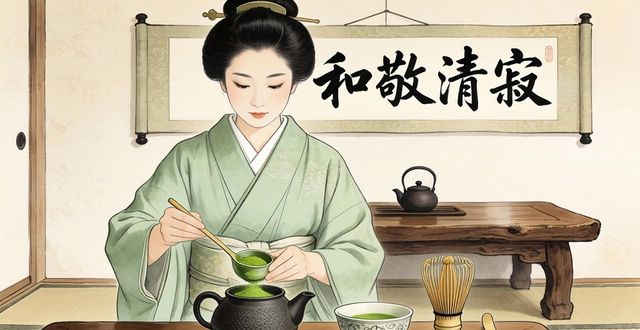
Every tool and motion in a tea ceremony experience carries symbolic meaning. For instance, the bamboo whisk is not just for mixing tea; it represents the connection between nature and human effort. The kettle, often made of iron, sits over hot coals and makes a soft simmering sound that reminds guests of a distant waterfall. Even the direction the host walks matters. Tea masters learn to move in straight, deliberate lines to avoid stepping on the tatami mat edges, which are considered sacred thresholds between the inside and outside world.
The tea bowl itself is rarely perfect. Many bowls have uneven glaze, small cracks, or asymmetrical shapes. This follows the aesthetic of wabi-sabi, the Japanese appreciation of imperfection and transience. The host may choose a rough-textured bowl for an autumn ceremony or a smooth, cool bowl for summer. When you hold the bowl, feel its weight and temperature. That moment of physical contact is a silent conversation between you and the maker, who might have lived hundreds of years ago. Understanding these hidden layers turns a simple cup of tea into a journey through art, history, and philosophy.
Why you should try a tea ceremony experience
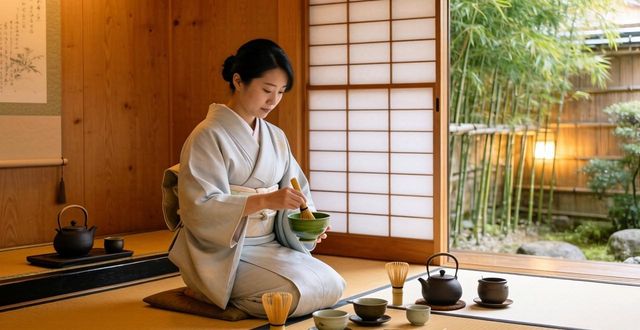
In our daily lives, we are constantly rushing from one task to the next. A tea ceremony experience forces you to stop. You cannot check your phone, answer emails, or think about your to-do list while sitting on a tatami mat with a bowl of matcha in your hands. That enforced stillness is surprisingly liberating. Many travelers say that their tea ceremony became the most memorable part of their trip to Japan, not because of any dramatic event, but because of the profound silence and kindness they received from the host.
Beyond relaxation, you also gain a new lens for looking at other cultures. Once you have participated in a tea ceremony, you start noticing similar rituals in different parts of the world – the British afternoon tea, the Chinese gongfu cha, the Moroccan mint tea pouring. All of them use tea as an excuse to slow down and honor human connection. So whether you are a busy professional, a curious student, or a retiree looking for peace, the tea room welcomes everyone. Just bring an open mind and leave your hurry at the door.
Have you ever taken part in a tea ceremony, and what small detail from that experience stayed with you the longest? Share your story in the comments, hit like if you found this helpful, and pass it along to a friend who would love a quiet cup of matcha.