

Yunnan Province in southwest China is one of the country’s most culturally diverse regions, home to 25 ethnic minority groups, each with its own language, architecture, festivals, and crafts. For travelers seeking authentic cultural heritage experiences beyond the usual tourist trails, Yunnan offers ancient towns, terraced rice fields, living traditions, and UNESCO World Heritage sites. This guide will help you understand why Yunnan matters, where to go, how to join local festivals, and what to keep in mind for respectful travel.
What Makes Yunnan Cultural Heritage Unique
Yunnan’s cultural richness comes from its geography—mountains and rivers created isolated valleys where different groups developed distinct ways of life. The Naxi people in Lijiang still use the world’s only living pictographic script, Dongba, while the Bai people in Dali are known for their three-course tea ceremony and tie-dye fabric from Zhoucheng village. Unlike many museums, these cultures are alive: you can watch a Dongba priest chant ancient texts or help a Bai family prepare their signature cheese.

Three UNESCO listings stand out. The Old Town of Lijiang, a World Heritage site since 1997, blends Han, Tibetan, and Naxi architecture with a clever water system. The Honghe Hani Rice Terraces, carved over 1,300 years, are a living agricultural masterpiece where the Hani people still follow ancestral irrigation methods. The Three Parallel Rivers region protects not only snow-capped peaks and canyons but also the spiritual lands of the Lisu, Nu, and Dulong peoples. These sites show that Yunnan’s heritage is both tangible and deeply practiced.
Where to Find Ancient Towns in Yunnan
Lijiang Old Town is the most famous, but it can be crowded. For a quieter experience, head to Shuhe Ancient Town, a 15-minute drive north, where leather-making traditions continue. Further north lies Baisha Village, the original capital of the Naxi kingdom, with preserved murals from the Ming dynasty and a slower pace of life. All three towns let you walk on stone paths alongside canals, and you can stay in restored courtyard inns run by local families.
South of Lijiang, Dali Ancient Town offers a different vibe. It sits between Erhai Lake and the Cangshan Mountains, and the Bai people’s white-walled houses with painted eaves are everywhere. Don’t miss Xizhou Town on the lake’s west shore, famous for its morning market and the Zhang family’s old residence. Another gem is Jianshui, three hours south of Kunming, known for its Confucian temple, Qing-era double-decker bridge, and the only surviving clay kilns that produce purple pottery. These towns are less international and give you deeper contact with daily local life.
How to Experience Ethnic Festivals and Traditions
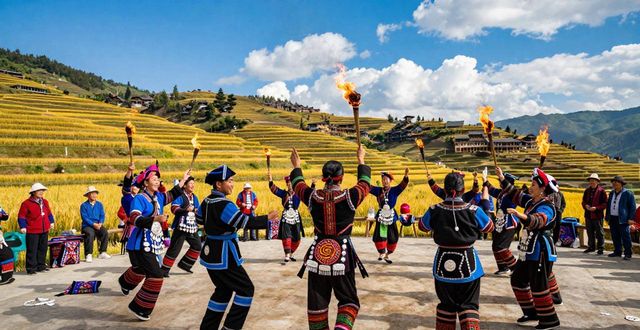
Festivals are the best time to see heritage in action. The Torch Festival (June or July) is celebrated by the Yi, Bai, and Naxi peoples with giant bonfires, wrestling matches, and folk singing. In April, the Dai Water-Splashing Festival in Xishuangbanna marks the New Year with joyful water fights, temple visits, and dragon boat races. The Lisu people’s Knife-Pole Festival (February) features barefoot climbs up a ladder of sharp blades—a breathtaking ritual of courage and faith. Plan ahead, as dates follow lunar calendars.
You can also learn traditional crafts firsthand. In Lijiang’s Naxi villages, join a half-day workshop on Dongba papermaking using lokta bark, then try writing your name in pictographs. In Dali’s Zhoucheng village, Bai women teach tie-dye: you twist, bind, and dip cloth into indigo vats to make your own scarf. For a deeper immersion, consider homestays in Hani villages near Yuanyang, where elders explain the terrace irrigation system and you can cook purple rice cakes over a wood fire. These hands-on experiences turn sightseeing into meaningful cultural exchange.
Practical Tips for Responsible Cultural Travel

The best seasons for heritage travel are spring (March–May) and autumn (September–November), when weather is mild and skies are clear. Avoid China’s national holidays in early May and October, when domestic tourists flood the ancient towns. Always ask permission before photographing people, especially elders or ceremony participants. Learn a few basic phrases in Mandarin (“ni hao” for hello, “xie xie” for thank you)—locals appreciate the effort, even if you switch to English.
Transportation is easier than before. High-speed trains connect Kunming to Dali (2 hours) and Lijiang (3 hours). From Dali or Lijiang, hire a private driver (around 500–800 RMB per day) to reach remote villages like Shaxi on the old Tea Horse Road. Stay in guesthouses run by ethnic families rather than international chains; many listings on booking platforms indicate “Naxi-style courtyard” or “Bai traditional house.” Carry cash, as remote villages rarely accept cards. Most importantly, reduce plastic waste by bringing your own water bottle—mountain villages have no garbage collection.
Yunnan’s cultural heritage is not a frozen display but a living conversation between past and present. Every town, terrace,and festival invites you to listen, learn, and leave no trace except memories. Which Yunnan heritage site would you most like to visit, and why? Share your thoughts in the comments below—and if this guide helped, give it a like and share it with fellow cultural travelers. Safe journeys