
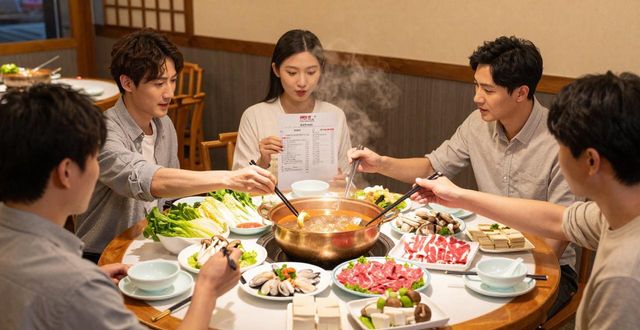
Hot pot is more than just a meal – it’s a social event that brings people together around a simmering pot of broth. However, if you’re new to this dining style, the experience can feel a bit overwhelming. From choosing the right ingredients to knowing when to dip, there are unwritten rules that locals follow naturally. Understanding hot pot dining etiquette not only shows respect for your hosts but also enhances the overall experience for everyone at the table. In this guide, I’ll walk you through the essential do’s and don’ts so you can enjoy hot pot like a seasoned pro, whether you’re in a bustling restaurant or a friend’s home.
How to order and choose broth
When ordering hot pot, the broth is where everything begins. Most groups choose a split pot, often called a “yuan yang” pot, which has spicy broth on one side and mild broth on the other. This allows people with different spice tolerances to enjoy the meal together. If you’re dining with others, never insist on getting only the broth you prefer. Instead, ask everyone about their preferences before deciding. For groups larger than four, consider ordering two separate pots if the restaurant allows. Also, remember that the broth itself is meant to be sipped at the end, after all the ingredients have cooked. Don’t drink it straight from the pot early on – that spoils the flavor and is considered impolite.

Another key point is ordering ingredients. Hot pot is typically a sharing meal, so you should order for the whole table, not just for yourself. Common items include thinly sliced meat, seafood, tofu, mushrooms, leafy greens, and noodles. A good rule of thumb is to order about two to three items per person. Avoid over-ordering because leftover raw ingredients cannot be taken home in most restaurants, and wasting food is frowned upon. If you’re unsure what to get, let the most experienced person at the table take the lead. You can always add more later. Also, be mindful of dietary restrictions – ask if anyone is vegetarian, allergic to seafood, or avoids certain meats before placing your order.
What is the correct cooking order
Cooking hot pot follows a logical sequence that maximizes flavor and prevents cross-contamination. Generally, you should start with ingredients that take longer to cook, such as meatballs, root vegetables like potato and taro, and thick mushrooms. These need several minutes in the boiling broth. Next, add thinly sliced meats like lamb or beef, which cook in just 10 to 20 seconds. Finally, cook delicate items like leafy greens, tofu, and seafood. Leafy greens only need about 30 seconds, and seafood should be added last to keep its taste clean. Never throw everything into the pot at once – that creates a muddy, unappetizing broth and makes it hard to retrieve specific items.
Another crucial rule is to use the serving utensils provided. Each raw ingredient should be placed into the pot using the shared tongs or chopsticks that are meant for raw food. Once something is cooked, use the separate “eating” chopsticks or a slotted spoon to retrieve it. Mixing raw and cooked utensils is a major hygiene mistake that can spread bacteria. Also, never put food directly from your personal bowl back into the pot. If you accidentally dropped something into the pot with your personal chopsticks, don’t fish it out – let it go and use a fresh piece. When cooking, be patient. Don’t stir the pot constantly or poke at ingredients that others are waiting for. Let everyone have equal access to the bubbling broth.
How to use dipping sauces and share food
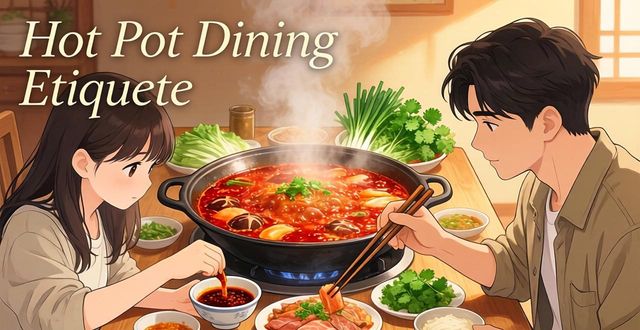
Dipping sauces are a highlight of hot pot, and most restaurants have a sauce bar where you can customize your own bowl. Common ingredients include sesame paste, soy sauce, garlic, cilantro, scallions, chili oil, and vinegar. A polite approach is to make one small bowl for yourself and stick with it throughout the meal. Never dip directly from the shared sauce containers into your personal bowl – put the sauce into a small dish first. Also, avoid double-dipping your cooked food into your sauce after you’ve already bitten it. If you want more sauce, use a clean spoon or start a fresh bowl. Many locals also add a spoonful of the hot pot broth into their sauce to thin it and add depth – this is perfectly acceptable and encouraged.
Sharing food from the hot pot requires awareness and generosity. When retrieving cooked items, use the communal ladle or chopsticks to scoop food into the small bowls of others before serving yourself. This is especially important for prized items like a perfectly cooked slice of beef or a shrimp ball. Don’t hover over the pot or pick through it searching for your favorite ingredient. If someone else is reaching for the pot, wait your turn. When you take food, take only what you can finish in one or two bites. It’s considered rude to pile a huge amount into your bowl while others are still waiting. Also, never use your personal chopsticks to touch the raw meat or seafood – that’s exactly why separate utensils exist. Think of the hot pot as a team effort, not an individual race.
How to end the meal properly
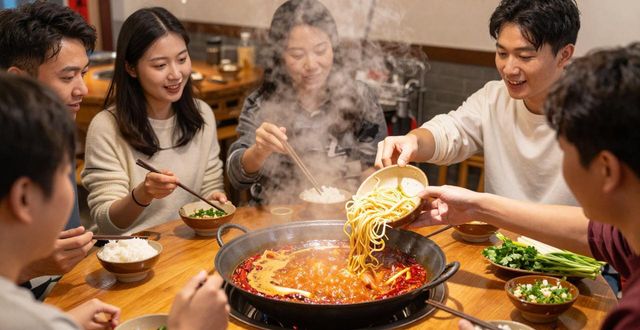
Knowing when and how to finish the meal shows good manners. As the meal winds down, most groups will finish by adding noodles or rice to the remaining broth. This is often the most anticipated part of hot pot because the broth has absorbed all the flavors from the ingredients. If noodles are added, cook them until they’re soft, then use a ladle to divide them into everyone’s bowls. Never dump the entire pot’s contents into your own bowl. Also, if the broth level gets too low during the meal, ask a server to add more plain broth – but don’t add water yourself. Some hot pot restaurants charge extra for broth refills, so it’s fine to check politely.
At the end, offer to pay if you invited others. Hot pot bills can add up quickly, and splitting evenly is common but not always fair if one person ate much more than others. A gracious approach is to suggest dividing by what each person ordered, especially in a business or formal setting. If you’re a guest, never let the host pay alone – offer to contribute. When leaving the table,thank the server and your dining companions. In many hot pot restaurants, you can pack leftover cooked food but not raw ingredients. Finally, remember that hot pot is about connection, not just food. If you’ve followed these etiquette tips, you’ve shown respect for the culture and the people you’re eating with.
What’s the biggest hot pot etiquette mistake you’ve seen or made yourself? Share your story in the comments below, and don’t forget to like and share this guide with fellow food lovers