
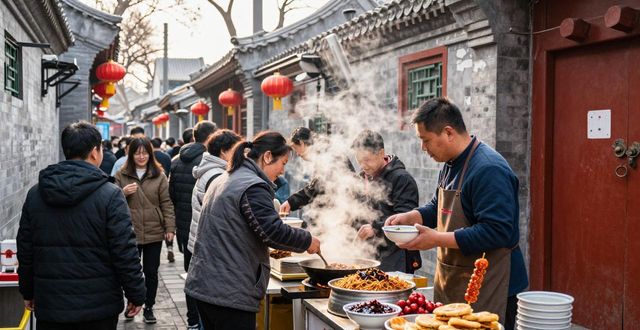
Beijing is a city of contrasts, and nowhere is that more evident than in its food. From the imperial grandeur of Peking duck to the humble warmth of a bowl of noodles in a hutong alley, the capital’s culinary scene tells the story of China’s history, geography, and people. For many visitors, a Beijing food tour is the highlight of their trip – but without guidance, it can be overwhelming. This guide is designed to help you navigate the city’s diverse food landscape, avoid tourist traps, and discover authentic flavors that locals have loved for generations.
Where to find authentic Beijing food

The best Beijing food isn’t in shiny malls or hotel buffets. It’s hidden in the city’s old hutong neighborhoods, like the area around Shichahai or Dashilan. These narrow alleys are lined with family-run stalls and tiny storefronts that have served the same dishes for decades. Look for places that are busy with Chinese customers, especially the elderly – they know quality. Avoid restaurants with picture menus in ten languages and staff calling you inside. Instead, follow your nose: the smell of roasting duck, sizzling lamb skewers, or pungent fermented bean curd will lead you to the real deal. For a structured introduction, consider a guided food tour that takes you through a single hutong, but even then,ask whether the stops are frequented by locals or just tourists.
What are the must-try dishes on a Beijing food tour
You cannot leave Beijing without trying Peking duck. The best versions are served at established restaurants like Sijiminfu or Dadong, where the duck is roasted over fruitwood and carved tableside. Wrap the crispy skin and tender meat in a thin pancake with cucumber, scallion, and sweet bean sauce. But don’t stop there. Zhajiangmian – hand-pulled noodles topped with a savory sauce of fermented soybean paste and minced pork – is a true Beijing comfort food. For breakfast, seek out jianbing, a savory crepe made with mung bean batter, egg, cilantro, and a crispy cracker. And if you’re adventurous, try douzhi, a fermented mung bean drink with an acquired sour taste, often paired with pickled vegetables. These dishes give you a complete taste of Beijing’s range, from imperial elegance to everyday street eats.
How to eat like a local without getting sick
Many travelers worry about food safety in China, but with common sense, street food is perfectly fine. The key is to observe: go to stalls that have a long line of locals – high turnover means fresh ingredients. Watch how the food is handled; if the vendor uses gloves or tongs and keeps raw and cooked items separate, that’s a good sign. Stick to cooked foods served piping hot; avoid anything that has been sitting out at room temperature, like sliced fruits. Another tip: bring your own wet wipes or hand sanitizer, and make sure your chopsticks or utensils are clean. If you have a sensitive stomach, start with busier, more established food courts in malls like Sanyuanli Market, where vendors are licensed and regularly inspected. Street food in Beijing is generally safe, but listen to your body and pace yourself.
Is a Beijing food tour worth the money
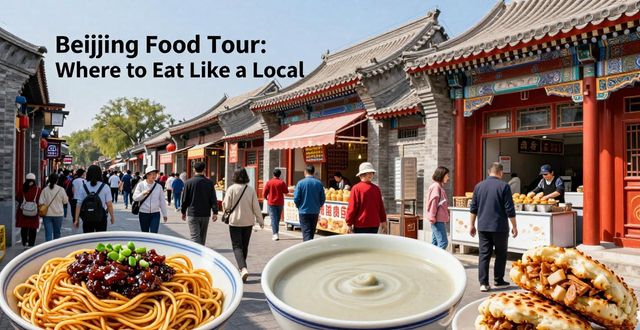
It depends on your travel style. If you have limited time and want a curated experience with a local guide who explains history, ingredients, and eating etiquette, then yes – a good food tour can save you hours of research and trial-and-error mistakes. However, you need to choose carefully. Avoid tours that take you to generic “food streets” built for tourists. Instead, look for small-group tours run by expats or bilingual locals who have lived in Beijing for years. Read recent reviews on TripAdvisor or The Beijinger. A quality tour (around $50-80 USD per person) typically includes 6-8 tastings and lasts 3-4 hours. Alternatively, you can design your own tour using apps like Dianping (Chinese Yelp) and exploring a single neighborhood like Gulou or Wangfujing Snack Street – though the latter is very touristy. The real value of a tour is the stories behind the food, so if you enjoy context, go for it.
Have you ever tried a food tour in a foreign city, and what surprised you the most about the local cuisine? Share your experience in the comments below – and if you found this guide helpful, give it a like and pass it on to a fellow traveler.