
China’s ancient towns are more than just postcard-perfect canals and cobblestone streets. The real magic lies in staying at a unique homestay, where centuries-old architecture meets modern comfort. As a seasoned traveler who has explored over 50 historic towns, I’ve learned that the right homestay transforms a visit into an unforgettable journey. Here’s what you need to know to find the best ones.
What makes a homestay truly unique

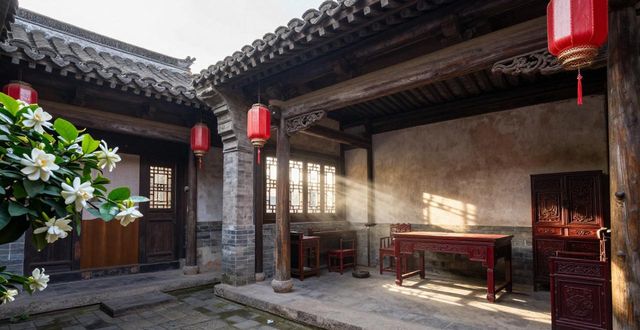
Unlike generic hotels, unique homestays in old towns often occupy restored heritage buildings—think Ming-dynasty courtyard homes or Qing-era merchant houses. You’ll sleep under original wooden beams, walk on hand-carved stone floors, and wake up to the scent of aged tea and blooming gardenias. Many owners are local artists or historians who share personal stories about the town’s past. For example, in Pingyao, a former bank building now features heated brick beds (kang) and antique safes. These details aren’t just decorations; they are living pieces of history.
How to book authentic homestays online
Most foreigners rely on international platforms like or Agoda, but the best finds are on Chinese apps like Ctrip () or Xiaozhu. Use the search term “min su” plus the town name. Look for listings with “original structure preserved” or “over 100 years old.” Always read recent guest reviews—pay attention to comments about noise (old buildings can be thin-walled) and hot water pressure. A trick I use: message the host directly through the app to ask if they provide English maps or cooking classes. Hosts who respond warmly often go the extra mile to make your stay special.
Top old towns with unforgettable homestays
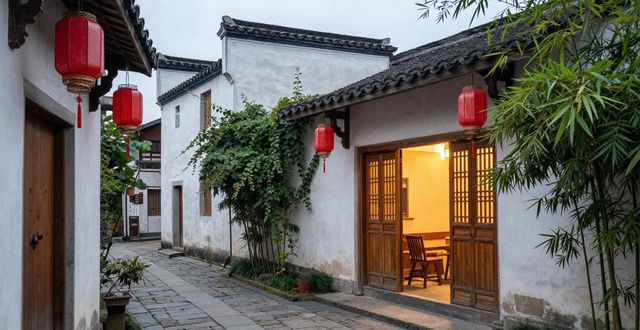
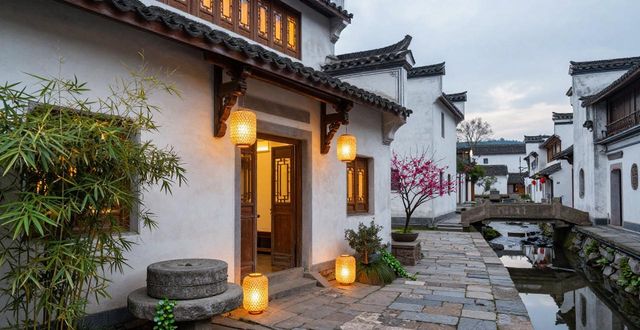
Zhouzhuang in Jiangsu is famous for waterway-facing rooms where you hear boat songs at dawn. Stay at a homestay built on a canal lock for direct kayak access. Lijiang’s Naxi-style courtyards in Yunnan feature hand-painted murals and bonfire nights. For a remote experience, check out Huangyao in Guangxi—its homestays are tucked among banyan trees, and some offer farm-to-table dinners. In Anhui’s Hongcun, you can sleep in a 400-year-old ancestral hall converted into a boutique inn, complete with a private library of local poetry. Each region has distinct architecture and cuisine,so choose based on whether you prefer river life, mountain air, or ancient trade routes.
Essential tips for a comfortable stay
Pack earplugs and a sleep mask—old towns can be lively with roosters and temple bells. Bring a universal adapter and a small power strip, as heritage rooms may have limited outlets. Learn a few Mandarin phrases like “xiè xie” (thank you) and “wèi shēng jiān zài nǎ li” (where is the bathroom). Many homestay owners don’t speak English, but translation apps work wonders. Also, confirm if the homestay has air conditioning and heating; some ancient buildings cool naturally in summer but can be chilly in winter. Finally, respect local customs: remove shoes before entering, and avoid wearing outdoor shoes on wooden floors to preserve the aged surface.
Your perfect homestay adventure awaits. Which type of Chinese old town calls to you—water town, mountain village, or ancient trade hub? Share your dream stay in the comments, and don’t forget to save this guide for your next trip.