
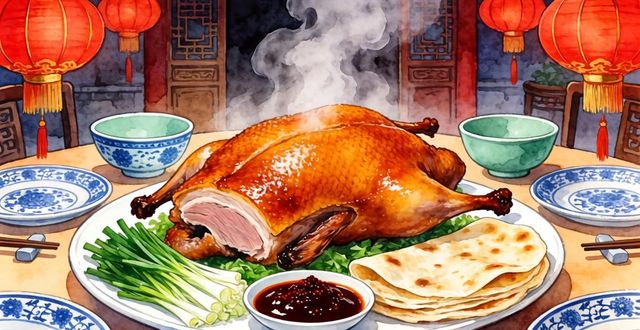
China’s culinary landscape is as vast and diverse as its geography. From the spicy hotpots of Sichuan to the delicate dim sum of Guangdong, every region offers unique flavors and stories. For first-time visitors, understanding where to start, how to eat like a local, and which pitfalls to avoid can transform meals into unforgettable memories. This guide shares practical tips based on real experiences across Beijing, Shanghai, Chengdu, and beyond.
What to Eat for China Food Experiences

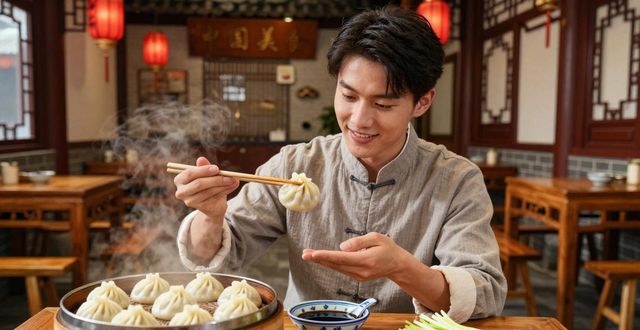
Start with iconic dishes that define Chinese cuisine. Peking duck, with its crispy skin and thin pancakes, is a must in Beijing. In Shanghai, try xiaolongbao – soup-filled dumplings that burst with savory broth. Sichuan’s mapo tofu and hotpot bring numbing spice (mala) that locals crave. Don’t miss Cantonese roast meats, like char siu pork, or Xi’an’s hand-pulled noodles. Street food classics include jianbing (savory crepes) and lamb skewers seasoned with cumin. Each dish tells a regional story, so sample widely. For breakfast, look for warm soy milk with fried dough sticks or rice rolls with shrimp. Vegetarians will find plenty of tofu, mushroom, and seasonal vegetable dishes, but watch for hidden oyster sauce or pork fat.
Where to Find Authentic Street Food
Skip tourist-oriented food courts – the real action happens on side streets and in night markets. Chengdu’s Jinli Ancient Street and Xi’an’s Muslim Quarter offer safe,lively environments to try everything from stinky tofu to sugar-coated hawthorn sticks. In Shanghai, hunt for shengjianbao (pan-fried pork buns) near People’s Square. For the adventurous, Guangzhou’s nighttime dai pai dongs serve stir-fried clams and congee with century egg. A good rule: follow long queues of office workers during lunchtime – that signals freshness and value. Use your nose; strong aromas usually mean popular stalls. Avoid places with no customers or fly-covered food. Street vendors rarely have English menus, so point at what others are eating or use a translation app. Remember to carry small bills and wet wipes, as napkins aren’t always provided.
How to Eat Like a Local in China
Embrace communal dining – most meals involve sharing several dishes placed on a lazy Susan. Use your own chopsticks to take food from shared plates; dipping into sauce is fine, but don’t double-dip. Never stick chopsticks upright into a bowl of rice, as this resembles incense for the dead. Slurping noodles or soup shows appreciation, not rudeness. When tea is poured for you, tap two fingers on the table to say thanks. If you can’t handle spice, say “bu la” (not spicy) repeatedly – but note that even “mild” in Sichuan can be fiery. Many restaurants offer free hot water or tea; bottled water is safer than tap. For payment, scan QR codes via WeChat or Alipay – cash still works but may cause change issues. Tipping is not expected and can confuse staff. Lastly, learn to say “jie zhang” (bill please) when finished.
Common Mistakes to Avoid with China Food
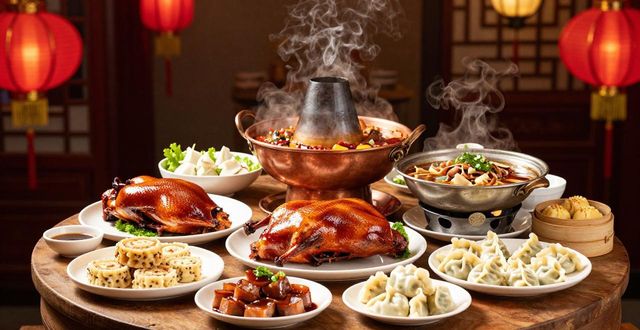
One frequent error is assuming “Chinese food” means the sweet-and-sour pork or fortune cookies from back home. Those are Western adaptations. Authentic meals often include chicken feet, duck blood curds, or jellyfish – feel free to skip politely. Another pitfall is ordering a dish by picture alone; sometimes the photo shows a spicy version without warning. Always confirm ingredients if you have allergies, as peanut oil is common and shellfish appears in unexpected places like vegetable stir-fries. Avoid eating raw salads or unpeeled fruits from street stalls unless you see them washed in bottled water. Many travelers underestimate portion sizes – sharing three dishes between two people is usually plenty. Finally, don’t refuse food offered by a host outright; take a small bite to save face. If you’re full, leave some rice in your bowl – an empty bowl means you want more.
What’s the one Chinese dish you’ve always wanted to try, and what stops you from taking the first bite? Share your thoughts below, and don’t forget to like and pass this guide to fellow food lovers!