
While China is renowned for its iconic landmarks like the Great Wall and the Terracotta Army, the country’s true magic often lies hidden in its lesser-known corners. Beyond the crowded tourist trails, a wealth of “secret” destinations offer pristine landscapes, authentic cultural encounters, and profound tranquility. These hidden gems, scattered across the vast territory, provide a more intimate and unforgettable travel experience for those willing to venture off the beaten path. Here is a guide to some of China’s most captivating hidden paradises.
- Untamed Natural Wonders
For travelers seeking raw, unspoiled nature, these destinations offer landscapes that rival—and often surpass—their famous counterparts, with a fraction of the visitors.
- Nangqen County (Nangqian), Qinghai – The “Martian” Landscape of Eboliang (俄博梁): Often described as the most Mars-like place on Earth, the Eboliang Yardang landform presents a surreal, desolate beauty. Vast, wind-sculpted rock formations stretch across the horizon under an endless sky. The stark, golden-hued terrain is particularly breathtaking at sunset and under a canopy of brilliant stars at dedicated stargazing camps, offering a sense of profound isolation and otherworldly romance .
- Dangling, Western Sichuan – A Pristine Alpine Sanctuary: Tucked deep in the Hengduan Mountains, Dangling is a paradise for hikers and nature lovers seeking an alternative to the crowded Yading Nature Reserve. It features crystal-clear alpine lakes like Hulu Lake (葫芦海) reflecting snow-capped peaks, pristine forests, natural hot springs, and meadows dotted with friendly marmots. The area remains largely undeveloped, offering a pure and tranquil Tibetan highland experience with minimal tourist infrastructure .
- Nanjiluo (南极洛), Yunnan – God’s Palette of Alpine Lakes: Hidden in the depths of Diqing Prefecture, Nanjiluo is a collection of about a dozen high-altitude lakes. The water displays mesmerizing shades of blue, green, and turquoise that change with the light, surrounded by towering, snow-dusted mountains. Access requires a rugged vehicle ride and hiking, ensuring it remains a truly “zero-commercialization” sanctuary for serious adventurers and photographers .
- Ancient Villages & Cultural Havens
These destinations preserve centuries-old ways of life, architecture, and traditions, offering a glimpse into China’s rich cultural tapestry without the commercial overlay.
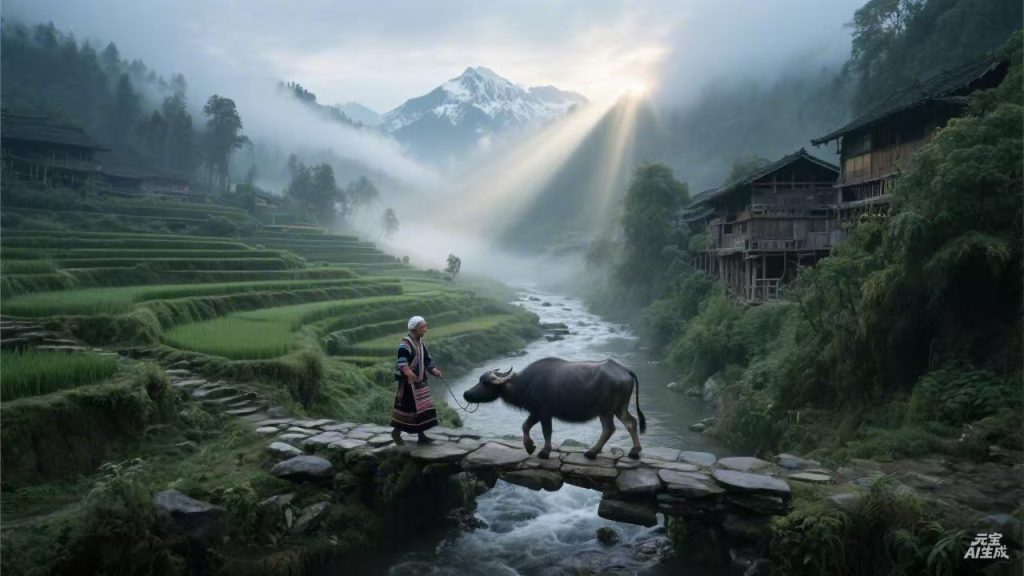
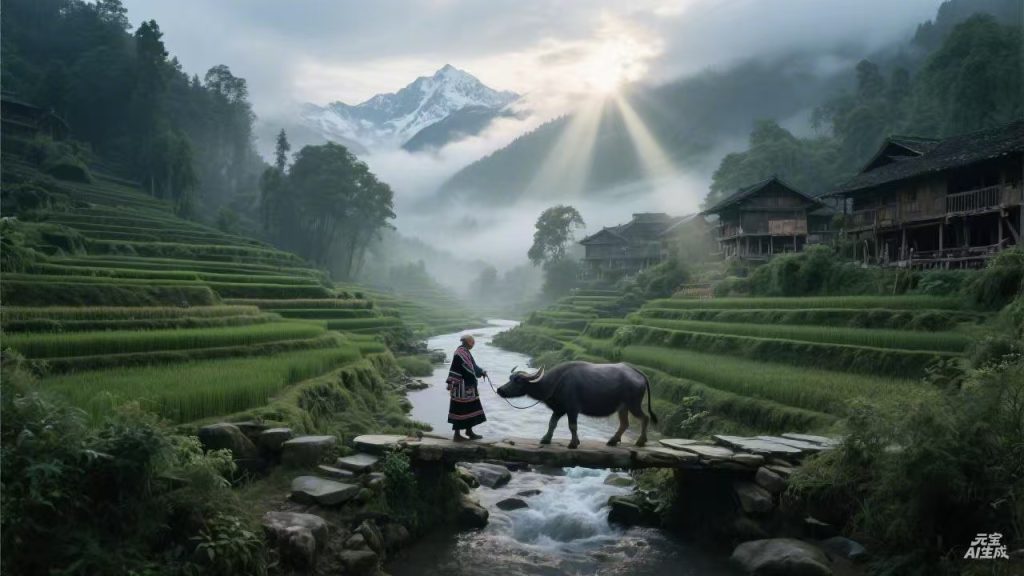
- Songyang Ancient Village Cluster, Zhejiang – The “Last Secret Land of Jiangnan”: Nestled in deep mountains, this area preserves over 75 traditional villages, such as Yangjiatang Village, often called the “Golden Potala Palace” for its layered yellow-earth houses against lush green hills. Recognized by National Geographic, these villages are enveloped in morning mist and clouds, with terraced fields and ancient architecture creating a serene, painting-like atmosphere perfect for slow travel and photography .
- Zhaoxing Dong Village, Guizhou – A Timeless Dong Ethnic Enclave: While gaining some recognition, it remains far more authentic and peaceful than the famous Xijiang Miao Village. This “village on the edge of time” features iconic drum towers, wind-and-rain bridges, and stilted houses. The rhythm of life here is slow, marked by the sound of looms and traditional songs. It’s an ideal place to experience Dong culture, especially during local festivals .
- The “Yutou Dong Village Loop” – A Deep Cultural Immersion in Hunan & Guizhou: For a profound cultural journey, explore the interconnected Dong and Miao villages across the Hunan-Guizhou border. Start in Jingzhou, Hunan, visiting the ancient Yanzhong Dong Village and listening to the multi-voiced “Miao Ge Tong” folk songs, a national intangible cultural heritage . Cross into Tianzhu, Guizhou, to see the unique East-meets-West ancestral halls in Sanmentang Dong Village . Continue to Jinping for the well-preserved Ming-era military town of Longli Ancient City, where Han and Dong cultures fascinatingly blend .
- Remote Borderlands & Ecological Sanctuaries
These are frontiers in every sense—geographically remote, ecologically pristine, and culturally distinct, often requiring special permits to visit.
- Xaerxili (夏尔西里), Xinjiang – The Last Primeval Forest: A former military restricted area on the China-Kazakhstan border, Xaerxili has only recently seen limited public access. It’s one of China’s last untouched primeval forests, where snow-capped mountains, dense woods, flower-filled meadows, and clear rivers create a spectacular “green maze.” The area is a habitat for rare wildlife like snow leopards. Access requires a border permit and is subject to daily visitor limits, preserving its extraordinary solitude .
- Motuo (Medog), Tibet – The Hidden Lotus: Nestled deep within the Yarlung Tsangpo Grand Canyon and surrounded by towering peaks, Motuo was the last county in China to be connected by road. The journey itself, through treacherous terrain, is part of the adventure. Its unique geography creates a stunning convergence of tropical rainforests, snow mountains, and waterfalls. It feels utterly detached from the modern world, offering an unparalleled sense of discovery .
- Unique Geological & Seasonal Marvels
These places captivate with their distinctive physical features or breathtaking seasonal transformations.
- Panjin Red Beach, Liaoning – An Autumn Crimson Tapestry: From late September to early October, 20,000 acres of seepweed (Suaeda salsa) along the Liaohe River Delta turn a vibrant, shocking red, creating a vast “red carpet” that contrasts dramatically with golden reeds and flocks of red-crowned cranes. It’s a seasonal spectacle far less crowded than other autumn hotspots like Kanas .
- Yichun, Heilongjiang – The “Forest Capital’s” Autumn Palette: In the Greater Khingan Range, Yichun transforms in autumn into a “Colorful Mountain.” Its vast virgin Korean pine forests mix with birch and maple, creating a stunning mosaic of red, yellow, and green. The visitor density is incredibly low, offering serene forest hikes where encounters with squirrels are more common than people .
Practical Tips for Exploring China’s Hidden Gems
- Transportation & Access: Many of these places require self-driving, hiring local drivers, or significant hiking. Public transport is often limited. Always check road conditions and accessibility in advance, especially for remote areas like Motuo or Xaerxili.
- Best Time to Visit: Research seasonal highlights. For example, visit Panjin for autumn colors (Sept-Oct), Yichun for fall foliage, Songyang for spring mist, and high-altitude areas like Dangling and Nanjiluo in summer or early autumn to avoid snow.
- Respect & Preparation: These are often ecologically fragile or culturally sensitive areas. Practice “Leave No Trace” principles, respect local customs, and obtain necessary permits (e.g., for border regions). Be prepared for basic accommodations and limited amenities. Pack accordingly for weather and terrain.
- Mindset: Embrace the journey. The reward of these secret places is the experience of authenticity and untouched beauty, not convenience. The path less traveled is often the one that leads to the most memorable discoveries.
By choosing these hidden corners of China, you move beyond sightseeing to truly connect with the soul of the land—its untouched wilderness, enduring traditions, and the quiet majesty that exists far from the crowds.