
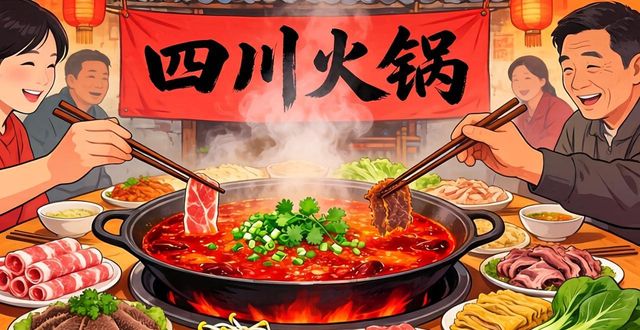
Spicy food in China is not just about heat—it is a complex and ancient tradition that varies from region to region. For many foreigners, the first bite of a Sichuan hot pot or Hunan stir-fry can be a shocking but addictive experience. Understanding the culture, ingredients, and etiquette behind China’s spicy cuisine will help you appreciate it more and avoid burning your taste buds. This guide will walk you through the essentials of eating spicy food in China, from the science of the numbing sensation to practical tips for beginners.
Why Chinese spicy food is so unique
Unlike many Western spicy dishes that rely solely on chili peppers, Chinese spicy cuisine often combines chilis with Sichuan peppercorns. The peppercorns create a tingling, numbing effect known as “má” (麻), while chilis provide the “là” (辣). This duo produces a complex flavor profile that is both fiery and aromatic. Moreover, Chinese chefs balance heat with salty, sweet, sour, and umami notes from ingredients like fermented bean paste, black vinegar, and sugar. The result is a layered spiciness that lingers but never overpowers, making each bite a journey rather than a challenge.

Another unique aspect is the use of dried versus fresh chilis. In Sichuan cooking, dried chilis are often fried in oil to release their smoky aroma, while Hunan cuisine favors fresh green and red chilis for a brighter, sharper heat. This attention to chili variety and preparation method means that no two spicy dishes taste the same. For a foreign traveler, recognizing these differences is the first step to truly enjoying Chinese spicy food without feeling overwhelmed.
Which regions you must try for authentic spicy dishes
Sichuan province is the most famous spicy food destination. Dishes like mapo tofu, kung pao chicken, and boiled beef in chili oil showcase the classic má là combination. In Chengdu, you can find street vendors selling spicy rabbit heads and cold noodle salads that are surprisingly addictive. But the heat level here is moderate compared to Hunan. Hunan cuisine, called Xiang cuisine, uses pure chili heat without the numbing peppercorns. A dish like “steamed fish head with chopped chilis” will test your tolerance with its direct, aggressive spiciness.
Further south, Guizhou province is an underrated gem. Locals use pickled chilis and sour soup to create uniquely tangy and spicy broths, perfect for hot pots. Yunnan province offers spicy dishes with fresh herbs and wild mushrooms, often milder but more fragrant. Shaanxi’s biangbiang noodles are served with a generous sprinkle of chili powder sizzled in hot oil – simple yet explosive. Each region has its own signature spice blend, so exploring them one by one is the best way to understand China’s spicy food map.
How to eat spicy food without suffering
First, never drink plain water when your mouth is on fire – it only spreads the capsaicin. Instead, sip whole milk, yogurt, or a sweet soy drink. Chinese restaurants often serve sour plum drink (suān méi tāng) or cold beer, both effective at cutting through the oil and cooling your tongue. Second, eat rice between bites. Plain steamed rice absorbs excess oil and dilutes the heat, allowing you to enjoy more of the dish. Third, order a non-spicy vegetable dish like stir-fried greens or cucumber salad to give your palate a break.
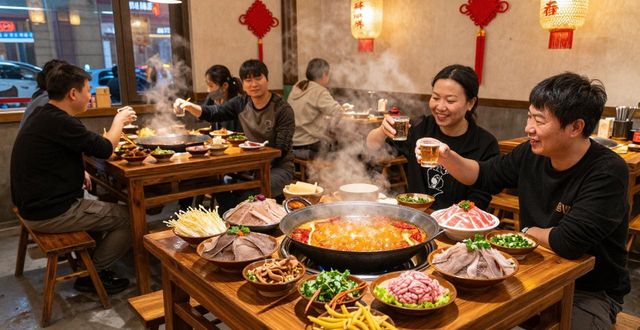
Another local trick is to dip food in vinegar or sesame oil before eating. The acidity and fat help neutralize capsaicin. For hot pot, prepare a dipping sauce with sesame paste,garlic, and a tiny bit of chili oil – this balances flavors without destroying your mouth. Lastly, don’t be shy to ask for less spice. In Chinese, say “shǎo fàng là” (少放辣) and most restaurants will adjust. But remember that spicy dishes are meant to be enjoyed slowly, not rushed. Take small bites, breathe through your nose, and savor the aftertaste.
What to expect when dining with locals
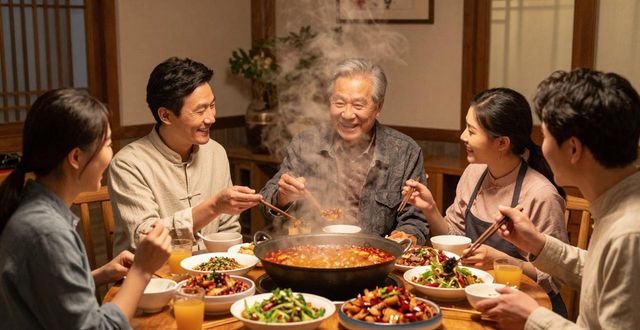
In China, sharing family-style plates is the norm. When spicy dishes arrive, locals will enthusiastically encourage you to try even the hottest ones. It is a sign of hospitality and friendship. Do not feel pressured to eat more than you can handle – simply laugh, praise the flavor, and take a small portion. However, refusing to try at all may be seen as rude. The best approach is to be honest: say you are not used to spicy food but would love a tiny taste. Most hosts will appreciate your effort and may order a milder version for you.
Also observe table manners. Use your own chopsticks to take food from shared plates. If you are not skilled with chopsticks, ask for a fork but try to learn – it is part of the experience. When eating hot pot, cook raw ingredients in the bubbling spicy broth, but avoid touching your lips to the pot edge, which can be very hot. And never put food back onto the shared plate after it has touched your mouth or dipping sauce bowl. Following these small courtesies will make your spicy food adventure much smoother and more enjoyable.
Have you ever tried making Chinese spicy dishes at home? What was the biggest challenge you faced with the heat or ingredients? Share your story in the comments below, and don’t forget to like and pass this guide to fellow spice lovers.