

China is a vast country with thousands of years of history and breathtaking natural wonders. For first-time visitors with only a week, planning the perfect route can feel overwhelming. Based on my years of helping travelers navigate China, I recommend a classic Beijing-Xi’an-Shanghai itinerary. This route covers three iconic cities, ancient and modern marvels, and offers a taste of authentic Chinese culture. You’ll walk the Great Wall, stand before the Terracotta Warriors, and gaze at Shanghai’s futuristic skyline – all in just seven days. Let me show you how to make every day count.
How to spend 7 days in China without rushing
Many travelers worry that seven days is too short to see China’s highlights. The key is focusing on three cities and using high-speed trains. Start in Beijing (days 1-3), then take a 4.5-hour bullet train to Xi’an (days 4-5), and finally fly or take another fast train to Shanghai (days 6-7). This pacing gives you two full days in each major stop. I’ve done this route with dozens of friends, and it never feels frantic if you skip minor attractions. Book your trains online at least two weeks ahead – the official China Railway site accepts foreign credit cards. Morning departures save precious daylight.

What are the must-see attractions in Beijing
Beijing demands at least three days. On day one, visit the Forbidden City – enter through the Meridian Gate and walk straight to the Hall of Supreme Harmony. Buy tickets online 7 days prior, as daily entries are capped. In the afternoon, climb Jingshan Park for the iconic aerial view. Day two is for the Great Wall. Mutianyu section is less crowded than Badaling and has cable cars and a thrilling toboggan ride down. Hire a private driver (about 500 RMB) from your hotel – it’s worth avoiding the tourist buses. Day three explores the Temple of Heaven, where locals practice tai chi at dawn, and the Summer Palace’s long corridor. Don’t miss Peking duck dinner at Siji Minfu.
Is Xi’an worth visiting for the Terracotta Army
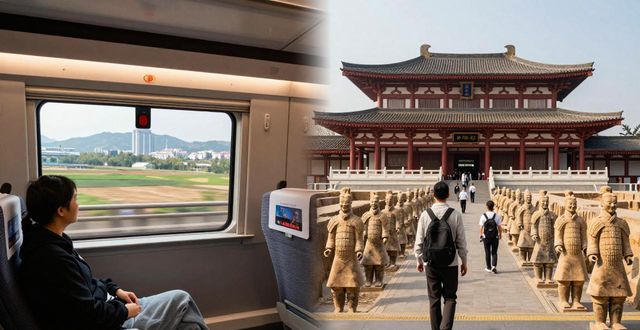
Absolutely. The Terracotta Army is one of archaeology’s greatest discoveries, and seeing it in person is humbling. Take the earliest bullet train from Beijing (around 7 am) to arrive by noon. Spend the afternoon at the museum – Pit 1 holds 6,000 life-sized warriors, while Pits 2 and 3 show generals and chariots. Hire an official guide at the entrance (150 RMB) to hear the stories behind each figure. On day two in Xi’an, rent a bike and ride along the ancient City Wall – the full 14-kilometer loop takes two hours. In the evening,explore the Muslim Quarter’s food stalls. Try yangrou paomo (lamb soup with bread) and biangbiang noodles. Fly to Shanghai that night or take a sleeper train.
How to travel between cities in China like a local
China’s high-speed rail network is your best friend. Trains are punctual, clean, and have English signs. Use the app or China Railway’s official 12306 app (English version available) to book. For Beijing to Xi’an, take G-class trains (around 550 RMB, 4.5 hours). For Xi’an to Shanghai, a direct flight saves time – check China Eastern or Spring Airlines for 600-800 RMB one-way. Alternatively, the overnight soft sleeper train (Z94, 14 hours) saves a hotel night and feels like an adventure. Always bring snacks and a power bank, because station food options are limited. Avoid traveling during Chinese national holidays (May Day, National Day in October) – trains become a sea of people.
What to eat and pack for a 7-day China trip
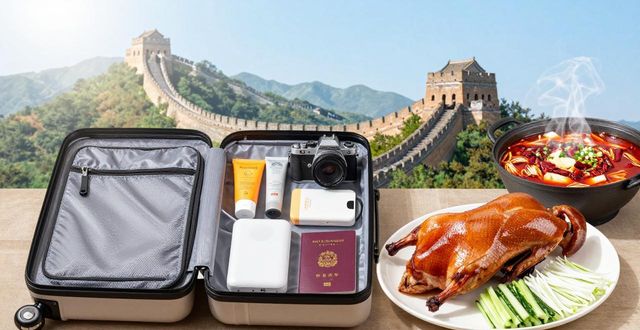
Food is half the joy. In Beijing, order zhajiangmian (noodles with fermented soybean paste) and lamb skewers from street carts. Xi’an is famous for its roujiamo (Chinese hamburger) and cold noodles liangpi. Shanghai offers xiaolongbao (soup dumplings) and shengjian (pan-fried buns). Pack layers – spring and autumn can be warm days but chilly evenings. Comfortable walking shoes are non-negotiable, as you’ll log 20,000 steps daily. Bring wet wipes and toilet paper (public restrooms rarely supply them). Download WeChat and Alipay, then link your foreign credit card – even street vendors use QR codes. A VPN installed before you leave ensures access to Google Maps and social media.
Now I’d love to hear from you: Which of these three cities – Beijing, Xi’an, or Shanghai – excites you the most, and why? Share your thoughts in the comments, and don’t forget to like and share this guide with fellow travelers planning their China adventure!