
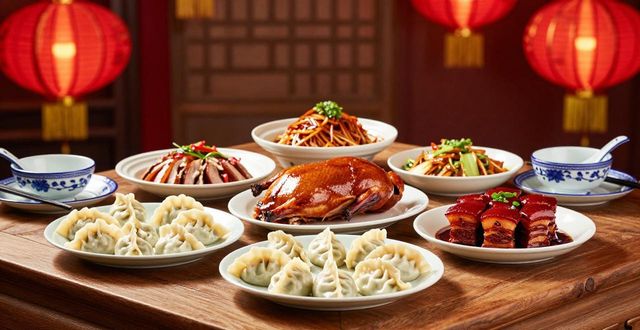
China’s food culture is one of the most diverse and exciting in the world. From sizzling street stalls to elaborate banquet dishes, every meal tells a story of history, geography, and local life. Having traveled across the country for years, I’ve learned that the best China food experiences aren’t just about eating – they’re about understanding the people and places behind each bite. Whether you’re a first-time visitor or a seasoned foodie, this guide will help you taste the real China.
What are the must-try regional dishes in China
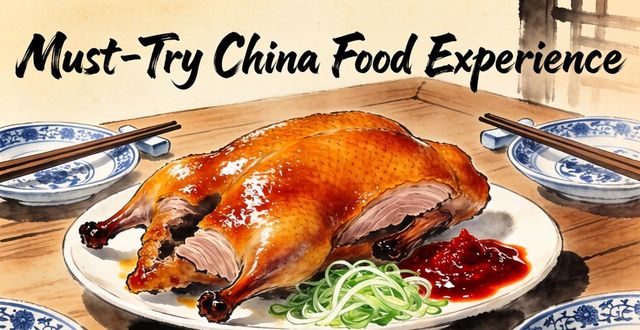
Start with the classics: Peking duck from Beijing, where crispy skin and thin pancakes create a perfect bite. Head west to Sichuan for mapo tofu – the numbing spice (málà) is unforgettable. In Shanghai, soup dumplings (xiaolongbao) burst with hot broth, while Guangdong’s dim sum offers endless small plates like shrimp dumplings and barbecue pork buns. Each region has its own star dish, and trying them locally is the only way to get the real flavor. Don’t skip Xinjiang’s lamb skewers or Yunnan’s crossing-the-bridge noodles – these lesser-known treasures are equally amazing.

I still remember my first hot pot experience in Chongqing. The table was set with a simmering cauldron of chili oil, and we dipped sliced beef, lotus root, and tofu into the bubbling red soup. The key is to cook each ingredient just right and dip it in sesame oil to cool the heat. Hot pot isn’t just food – it’s a social event that brings friends together for hours. For a milder adventure, try Cantonese congee or Hangzhou’s slow-cooked pork belly (dongpo rou). Always ask locals for their favorite spots; the best meals rarely come from tourist menus.
How to eat like a local in China without feeling lost
First, master chopsticks. Hold the lower one steady and move the upper one – practice with peanuts or edamame. When sharing dishes,use the public chopsticks or the back of your own chopsticks to serve yourself. Never stick chopsticks upright in a bowl of rice; it resembles incense sticks at a funeral. Also, don’t flip fish over – it’s considered bad luck for fishermen. Instead, lift the bones to reach the lower side. These small gestures show respect and will impress your Chinese hosts.
Ordering food can be tricky without Chinese, but you have options. Many restaurants now have picture menus or QR codes with English translations. Learn a few key phrases: “zhè ge” (this one) while pointing, “bù là” (no spice) if you can’t handle heat, and “jié zhàng” (bill please). For street food, watch what others order and simply hold up fingers to indicate quantity. Don’t be shy to join a long line – that’s usually a sign of quality. And always carry cash or Alipay/WeChat Pay, as cards are rarely accepted at small stalls.
Where to find unforgettable street food experiences in China
Street food is the heartbeat of Chinese cities. In Xi’an, hunt for roujiamo (Chinese burger) – flatbread stuffed with spiced pork or lamb. Chengdu’s night markets offer chuan’er (grilled skewers) and danhong gao (sweet rice cakes). Shanghai’s breakfast alleys serve jianbing, a crispy crepe with egg, cilantro, and hoisin sauce. The best time is early morning or after 7 PM when vendors set up. Look for stalls with long queues and high turnover – that means fresh ingredients. Avoid anything that looks like it’s been sitting out for hours.
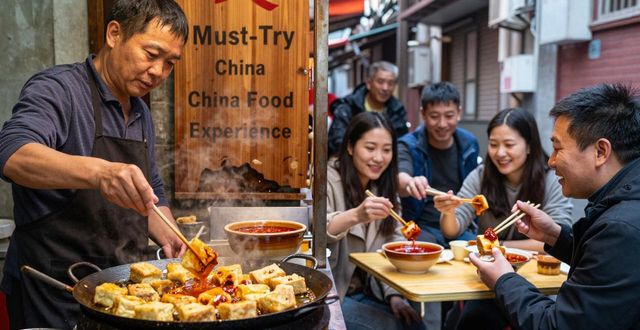
I’ll never forget eating stinky tofu in a narrow Changsha alley. The fermented smell is shocking at first, but the fried version with chili sauce is crispy and deeply savory. Start with safer bets like baozi (steamed buns) or youtiao (fried dough sticks). Hygiene matters: choose vendors who handle money and food with separate hands, and watch them cook your order fresh. Carry wet wipes and small change. For the adventurous, try fried scorpions in Beijing or live shrimp in Ningbo – but only if you trust the source. Street food teaches you more about China than any museum ever could.
Now I’d love to hear from you – what Chinese dish or food experience are you most curious to try on your next trip? Share your thoughts in the comments, and don’t forget to like and share this article with fellow food lovers.