
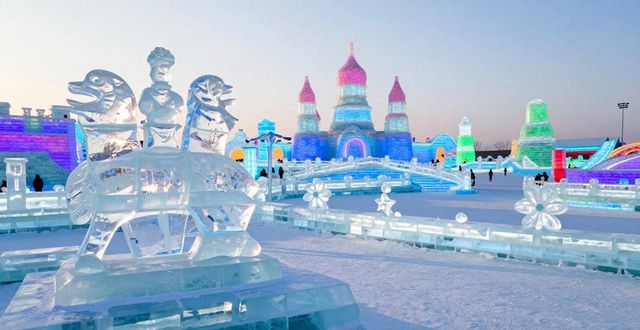
Harbin, the capital of China’s northernmost province, transforms into a dazzling winter wonderland every year. At the heart of this transformation are the famous ice lanterns, a breathtaking fusion of art, engineering, and nature. These glowing sculptures turn freezing nights into a fairy tale, drawing visitors from around the globe. Whether you are a seasoned traveler or a curious first-timer, experiencing Harbin’s ice lanterns is unlike anything else. In this guide, I’ll share everything you need to know to make the most of your trip to this frozen paradise.
What makes Harbin ice lanterns so special
The magic of Harbin ice lanterns lies in their sheer scale and craftsmanship. Massive blocks of ice are harvested from the frozen Songhua River, then carved by skilled artisans into castles, animals, and mythical creatures. Inside each sculpture, colored LED lights create a warm glow that contrasts with the subzero darkness. Unlike ordinary snow statues, ice lanterns are translucent, so light dances through them like stained glass. The annual Harbin International Ice and Snow Festival features hundreds of these works, some towering over three stories high. Walking among them feels like stepping into a dream where winter itself becomes art.

Another unique aspect is how the lanterns interact with their environment. During the day, the ice looks like crystal, reflecting sunlight in sharp, cold beauty. But at night, the same sculptures become alive with shifting colors – blues, purples, reds, and greens. The festival also includes ice slides, mazes, and even an ice bar where you can drink vodka from glasses made of ice. Many visitors are surprised to learn that the lanterns are not just for looking at; you can touch, climb, and play on some of them. This hands-on experience makes Harbin different from any other winter festival in the world.
When is the best time to visit the ice festival
The official festival runs from early January to late February, but the optimal window is mid‑January to early February. During this period, the ice is at its hardest and clearest because temperatures drop to minus 20 to minus 30 degrees Celsius. The opening ceremony, usually around January 5th, features fireworks and live performances, but it also draws huge crowds. If you want fewer tourists and more space to take photos, aim for a weekday in late January. Keep in mind that the sculptures begin to melt slightly in late February as spring approaches, so don’t delay your trip too much.
Evenings are the prime time for viewing because the lanterns are fully illuminated. However, the cold is intense, so plan to spend only two to three hours outside at a stretch. Many seasoned visitors recommend arriving around 3:00 PM, when you can see the ice in daylight, then watch the transition to twilight, and finally enjoy the full glow after sunset. This golden hour gives you two completely different experiences in one visit. Also check the lunar calendar – if you can visit during a full moon, the moonlight on the snow adds another layer of enchantment.
How to stay warm and comfortable in Harbin
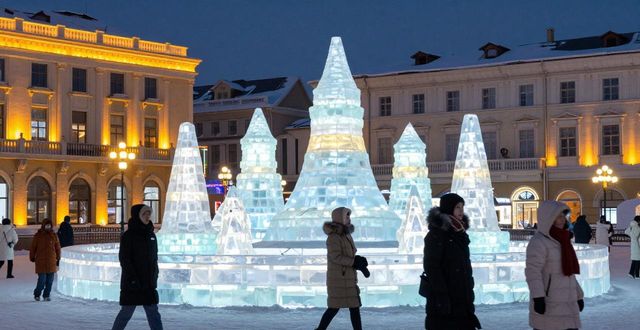
Staying warm is not just a tip; it is a survival necessity in Harbin. Layer your clothing like an onion: start with thermal underwear that wicks sweat,then add a fleece or wool mid‑layer, and finally a windproof and waterproof outer jacket. Your feet are especially vulnerable, so wear insulated, waterproof boots with thick wool socks. Don’t forget a balaclava or face mask, because exposed skin can freeze in minutes when the wind picks up. Hand warmers tucked into gloves and boots are cheap and lifesaving. Most locals also carry a thermos of hot tea or ginger water to sip between sights.
Beyond clothing, pace yourself with indoor breaks. The festival grounds have heated rest areas and souvenir shops where you can thaw out. Another smart strategy is to visit indoor attractions like the indoor ice and snow world (which stays frozen year‑round) or the Siberian Tiger Park in the afternoon, then head to the outdoor ice lanterns after a hot meal. Many hotels near the festival offer shuttle buses, so you don’t have to wait outside for public transport. Remember that your phone battery drains fast in extreme cold – keep it in an inner pocket close to your body, and bring a portable charger.
What else can you see beyond the ice lanterns
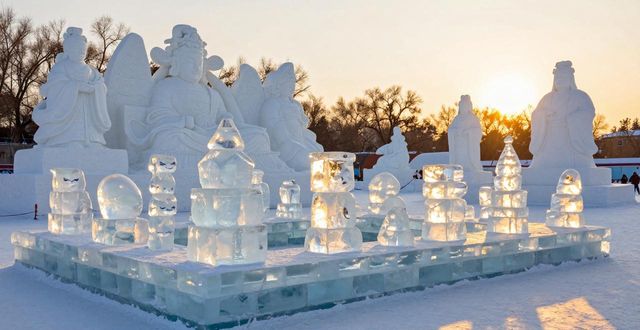
While the ice lanterns are the star, Harbin offers many other winter wonders. The Snow Sculpture Expo on Sun Island features massive white sculptures made entirely of compacted snow, some depicting scenes from Chinese mythology or global landmarks. Unlike the ice lanterns, these are pure white during the day and softly lit at night, creating a serene, almost sacred atmosphere. Another must‑see is the historic Central Street (Zhongyang Dajie), a pedestrian avenue lined with European‑style architecture from the early 1900s. Here you can taste Harbin’s famous smoked sausage, Russian bread, and frozen pears – a local treat where you bite into a pear that has turned into a crunchy, sweet ice ball.
For a dose of culture, visit the Saint Sophia Cathedral, a Russian Orthodox church that now houses a museum of Harbin’s history. The contrast between the cathedral’s green domes and the white snow is stunning. If you are adventurous, take a day trip to the Yabuli ski resort, about three hours away, which has some of the best skiing in China. And don’t miss the chance to watch swimmers cut a hole in the Songhua River and dive into the icy water – a tradition known as winter swimming. It looks crazy, but locals say it boosts circulation and immunity. Even if you don’t jump in, just watching them is unforgettable.
Have you ever experienced a winter festival where the cold becomes part of the beauty, not just something to endure? Share your thoughts or questions about Harbin in the comments below, and don’t forget to like and share this guide with fellow winter adventurers