
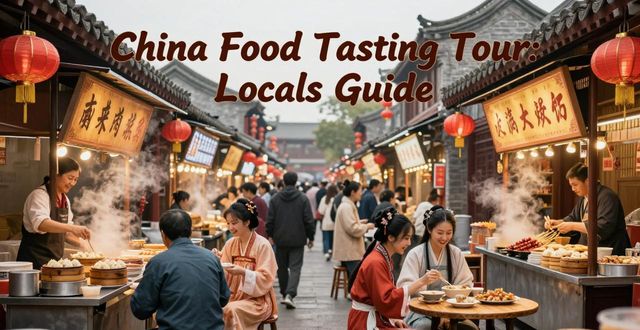
China is a land of dizzying culinary diversity, where every region boasts its own flavors, ingredients, and cooking traditions. A food tasting tour here isn’t just about eating—it’s about understanding history, culture, and the daily lives of over a billion people. From the fiery heat of Sichuan to the delicate dim sum of Guangdong, each bite tells a story. In this guide, I’ll share the must-try dishes, the best cities to explore, and practical tips to help you navigate a genuine Chinese food adventure. Whether you’re a first-time visitor or a seasoned traveler, this tour will transform how you see Chinese cuisine.
Must-Try Dishes for Your China Food Tour

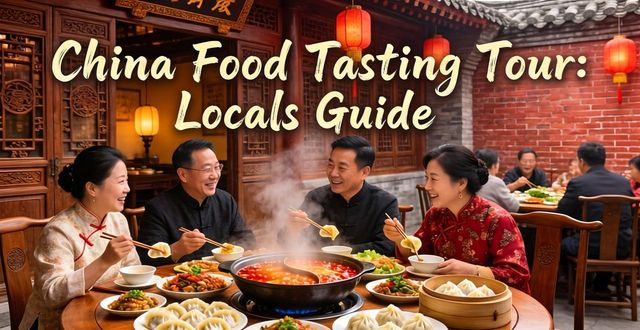
No food tour in China is complete without Peking duck. The crispy, amber skin and tender meat wrapped in a thin pancake with cucumber, scallions, and sweet bean sauce create an unforgettable bite. Beijing’s Quanjude and Dadong restaurants are famous for this dish, but smaller local spots often offer a more authentic, less touristy experience. Another essential is Xiaolongbao,the soup dumpling from Shanghai. These delicate parcels hold a burst of hot broth and seasoned pork—bite carefully to avoid burning your tongue. For the adventurous, try spicy Sichuan hot pot. You choose raw meats, vegetables, and tofu, then cook them in a bubbling cauldron of chili and numbing peppercorn broth. It’s a social, hands-on meal that locals adore.
Best Cities to Explore on a China Food Tasting Tour
Start your journey in Chengdu, the capital of Sichuan cuisine. The city pulses with street food stalls and family-run eateries serving mapo tofu, dan dan noodles, and rabbit heads for the brave. Don’t miss the bustling Jinli Ancient Street, where you can sample everything from sweet osmanthus cakes to grilled skewers. Next, head to Guangzhou, the heart of Cantonese cuisine. Here, morning yum cha (tea and dim sum) is a ritual. Steamed shrimp dumplings, barbecue pork buns, and rice rolls with soy sauce fill the teahouses. For a contrast, visit Xi’an, where the Silk Road’s influence brings Muslim-style cumin lamb skewers and hand-pulled noodles. The Muslim Quarter’s night market is a feast for the senses.
Tips for an Authentic China Food Experience
To eat like a local, avoid restaurants with English menus and pictures of the food outside—they often cater to tourist crowds. Instead, look for places packed with Chinese office workers or families. Pointing at what others are eating is perfectly acceptable; just smile and say “zhe ge” (this one). Also, learn to use chopsticks properly; it shows respect and makes eating easier. Street food is generally safe and delicious, but stick to vendors with high turnover—fresh ingredients and busy crowds mean less chance of spoilage. Finally, embrace family-style dining. Dishes are shared, and it’s polite to serve others before yourself. Don’t be shy to ask for recommendations from locals; most will happily share their favorite spots.
How to Stay Safe and Healthy While Eating in China
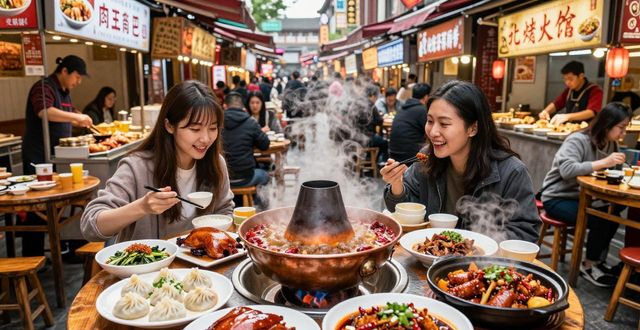
Food safety concerns often worry travelers, but with common sense, you can enjoy China’s culinary wonders without trouble. Drink only bottled or boiled water—tap water is not safe for direct consumption. Avoid raw salads and unpeeled fruits, as they may have been washed in tap water. Street food is usually fine if it’s cooked fresh in front of you and served piping hot. Be cautious with dairy products, as lactose intolerance is common in China, and many local dairy items are not pasteurized like Western brands. Also, carry basic stomach medicine like bismuth subsalicylate or activated charcoal, just in case. If you have allergies, write them in Chinese on a card to show restaurant staff. Most importantly, trust your instincts—if a place looks dirty or smells off, walk away.
Now I’d love to hear from you: What Chinese dish are you most excited to try on your food tasting tour, and why? Share your thoughts in the comments below, and don’t forget to like and share this guide with fellow food lovers.