
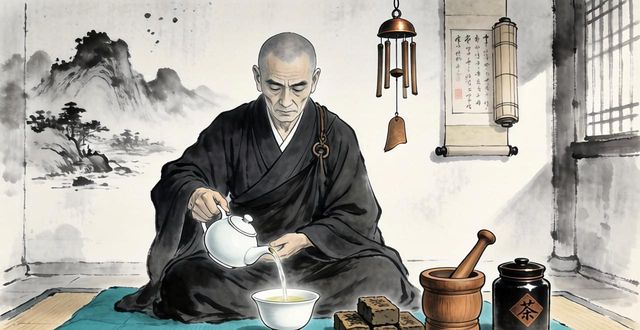
The tea ceremony, a beautiful ritual centered on preparing and serving tea, has a rich history spanning over a thousand years. While many associate it with Japan, its true origins lie in ancient China, where tea was first discovered and celebrated as both medicine and art. This article traces the evolution of the tea ceremony from its early days to the refined traditions we know today, exploring its cultural significance across East Asia.
Where did tea ceremony originate

The roots of the tea ceremony can be traced back to China’s Tang Dynasty (618–907 CE). During this period, tea leaves were compressed into bricks, then roasted, ground, and whisked into hot water. Buddhist monks used tea to stay awake during long meditation sessions, and they gradually turned tea drinking into a disciplined practice. Lu Yu, a famous scholar, wrote “The Classic of Tea” around 760 CE, which became the first complete guide on tea cultivation, preparation, and etiquette. His work laid the foundation for what would later become the formal tea ceremony.
How did tea ceremony evolve in different dynasties
In the Song Dynasty (960–1279 CE), the tea ceremony became more refined. People started using powdered tea, whisked in bowls to create a frothy drink—similar to today’s matcha preparation. Tea competitions emerged, where guests judged the color and foam of the tea. Meanwhile, Zen Buddhist monks brought this Chinese tea culture to Japan in the 12th century. Over time, the Japanese adapted and transformed it into their own distinctive ceremony, emphasizing simplicity, humility, and spiritual awareness under masters like Sen no Rikyu in the 16th century.
What are the key elements of traditional tea ceremony
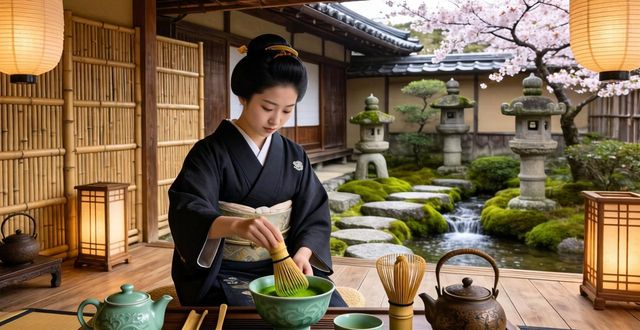
A traditional tea ceremony focuses on harmony, respect, purity, and tranquility. Every movement, from wiping the tea bowl to pouring hot water, follows a precise sequence designed to calm the mind and please the guests. The choice of tea utensils—such as the whisk, scoop, and bowl—also carries deep meaning,often reflecting the season or the host’s personal aesthetics. Unlike ordinary tea drinking, the ceremony is a form of living art where both host and guests participate in a shared moment of quiet appreciation and mutual respect.
Why is tea ceremony still relevant today
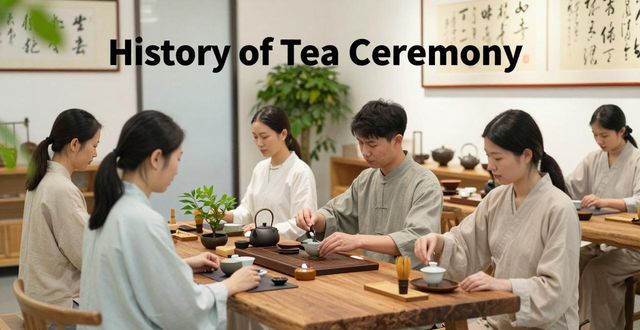
In our fast-paced modern world, the tea ceremony offers a rare opportunity to slow down and practice mindfulness. Many people attend tea ceremonies to escape digital distractions and reconnect with themselves or others. Cultural centers and tea schools around the globe now teach these ancient rituals, adapting them to contemporary lifestyles while preserving their core values. Whether in a traditional tearoom in Kyoto or a modern apartment in New York, the tea ceremony reminds us that simple acts, done with full attention, can become deeply meaningful.
What aspect of tea ceremony history fascinates you the most—its Chinese origins, its Japanese refinement, or its modern revival? Share your thoughts in the comments below, and don’t forget to like and share this article with fellow tea lovers!