
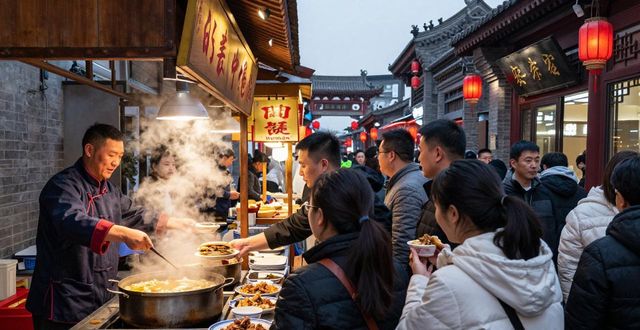
Xi’an, the ancient capital of China, is not only home to the Terracotta Warriors but also a living museum of culinary traditions that have traveled the Silk Road for over a thousand years. For travelers seeking more than just a meal, Xi’an offers a profound food culture experience where every noodle pull, bread crumb, and spice blend tells a story of trade, faith, and family. This guide will walk you through the essential elements of Xi’an’s food scene, from its legendary halal influence to the must-try street snacks, and help you understand why eating here is a journey into history.
What makes Xi’an food culture unique
Unlike the sweet and mild flavors of southern China or the spicy kick of Sichuan, Xi’an’s cuisine is heavily shaped by the Hui Muslim community and the ancient Silk Road. The use of cumin, roasted sesame paste, and fermented wheat is far more prominent here. You will find lamb and beef dominating the menus,prepared with techniques that date back to the Tang Dynasty. This fusion of Central Asian, Persian, and Han Chinese cooking methods creates a taste profile you cannot find anywhere else in the country. For a foreign visitor, the most striking difference is the chewy, hand-pulled noodles and the fragrant flatbreads that are often torn and dipped into rich soups.

The heart of Xi’an food Muslim Quarter
The Muslim Quarter, or Huimin Jie, is the epicenter of any Xi’an food culture experience. This bustling pedestrian street is lined with hundreds of small stalls and family-run eateries that have passed down recipes for generations. As you walk through, you will see masters pulling dough into thin noodles in seconds and skewers of lamb roasting over charcoal, dusted with cumin and chili. Do not just rush through; find a small shop with a long queue of locals. Order a bowl of Yangrou Paomo (crumbled flatbread in lamb soup) and participate in the ritual of crumbling the bread into tiny, bean-sized pieces yourself. The patience you put into crumbling determines how well the broth is absorbed.
Must-try dishes for first-time visitors
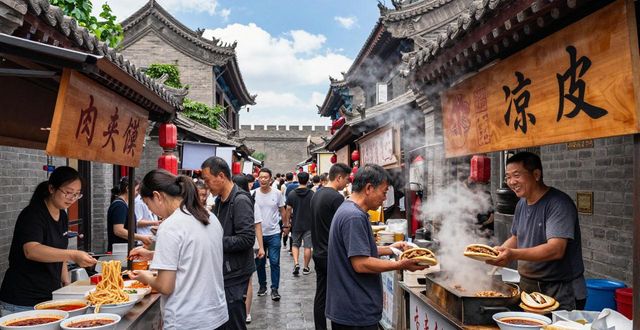
When you are planning your Xi’an food culture experience, three dishes are absolutely non-negotiable. First is the Roujiamo, often called the “Chinese hamburger.” It is a crispy, oven-baked flatbread stuffed with slow-braised pork or spiced beef, and the best ones are found at small, unmarked windows. Second is Biangbiang noodles, named for the sound the dough makes when slapped against the table. These are thick, belt-like noodles served with chili oil, garlic, and vegetables. Third is Liangpi, or cold skin noodles, a refreshing dish made from wheat or rice starch, served with gluten, cucumber, and a tangy sesame-vinegar sauce. Each of these dishes offers a different texture and temperature, perfect for Xi’an’s variable climate.
How to eat like a local in Xi’an
Eating like a local goes beyond just ordering the right dishes. Locals rarely eat alone; meals are social and often start with a round of shared appetizers like marinated beef or jelly noodles. You should also learn the proper way to eat Paomo: after crumbling the bread, hand the bowl back to the cook, who will add the boiling broth and lamb slices. Then, eat it with pickled garlic and a drizzle of chili oil. Another local tip is to pair your meal with a glass of sour plum juice or a local yogurt. Do not be shy about eating on the street—some of the best food is served from carts. And remember, in Xi’an, the spiciness is often in the oil, not the heat, so you can ask for “less chili” if needed.
Where to join a Xi’an food tour
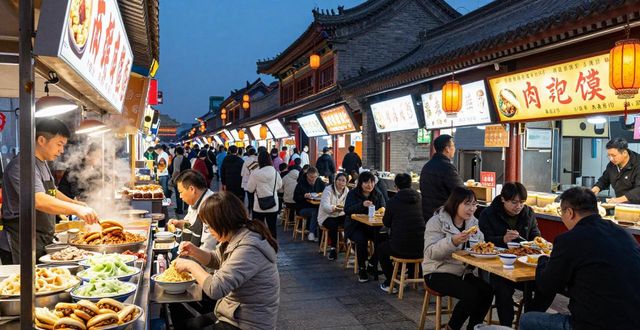
For those who want a structured introduction, joining a small-group food tour in the Muslim Quarter is highly recommended. Many tours start around 6 PM when the street lights up and the evening crowd arrives. A good guide will take you to hidden alleyway stalls that you would never find on your own, explaining the history behind each dish. Some tours also include a stop at a family-run bakery to watch how the traditional dried persimmon cakes are made. Prices are very reasonable, usually between 200 to 300 RMB per person for a three-hour tasting that covers 8 to 10 different foods. This is an excellent way to overcome the language barrier and gain deeper insights into the rituals and ingredients.
After reading this, which dish are you most excited to try first—the hand-pulled Biangbiang noodles or the lamb soup with crumbled bread? Share your choice and any food questions in the comments below, and don’t forget to like and save this guide for your future Xi’an adventure.