
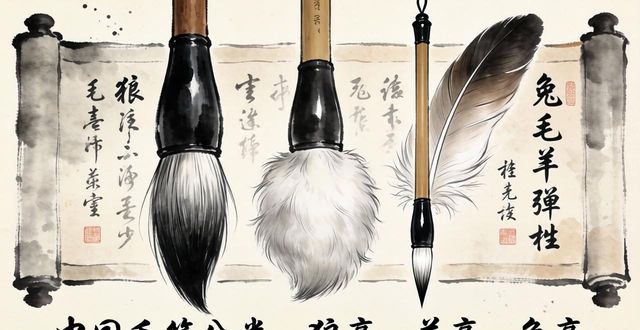
Chinese calligraphy brushes, known as huzi or maobi, are far more than simple painting tools—they are the very soul of East Asian art and culture. For centuries, these brushes have been used to create expressive characters and paintings, embodying the energy and spirit of the artist. Whether you are a beginner drawn to the elegance of ink art or a seasoned practitioner looking to refine your technique, understanding the unique qualities of these brushes is essential to unlocking the true beauty of calligraphy.
What are the different types of Chinese calligraphy brushes

Chinese brushes are primarily classified by their hair material. The most common types include wolf hair (actually made from weasel), goat hair, and rabbit hair. Wolf hair brushes are firm and springy, offering excellent control for crisp, angular strokes—ideal for standard script. Goat hair brushes are soft and absorbent, holding a large amount of ink and producing flowing, rounded lines perfect for cursive and grass scripts. Rabbit hair brushes fall in between, providing a good balance of stiffness and flexibility. There are also mixed-hair brushes, which combine materials to achieve specific effects. Choosing the right type depends on the script style you practice and the texture you wish to create on paper.
How to choose a brush for your skill level
For beginners, a medium-sized wolf hair brush is the most forgiving and practical choice. Its firmness helps you learn basic stroke order and structure without fighting the tool. Avoid very soft goat hair brushes at first, as they require advanced wrist control and ink management. Intermediate and advanced calligraphers often experiment with softer brushes to express more personality and rhythm in their work. A good rule of thumb is to start with a brush that has a tip length of about 3–4 centimeters and a handle that feels balanced in your hand. Many shops also label brushes by difficulty—look for “suitable for students” or “practice grade” when starting out.
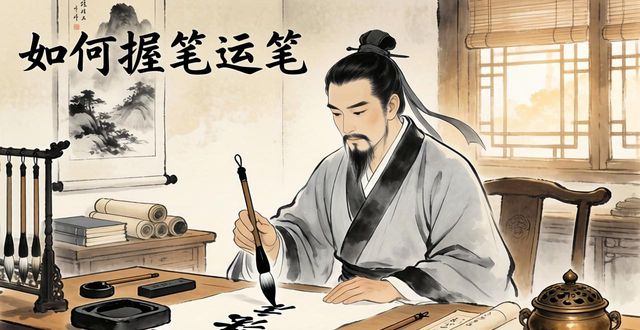
How to hold and move a Chinese calligraphy brush
Unlike a pen or pencil, the Chinese brush is held vertically, with your wrist and elbow floating above the paper. Your fingers should grip the handle gently but firmly, about one-third of the way from the top. The key is to keep the brush perpendicular to the paper for most strokes, allowing the tip to flex and release ink naturally. Movement comes from your entire arm, not just your wrist—shoulder and elbow motion create smooth, powerful lines. Practice making simple dots and horizontal lines while maintaining a steady, upright brush. Many beginners struggle because they tilt the brush like a pen; remember, the magic of Chinese calligraphy lies in the vertical press and lift of the brush tip.
How to care for and store your brushes properly
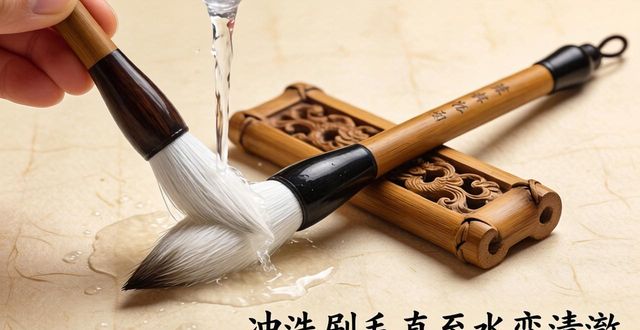
A good Chinese calligraphy brush can last for decades if cared for correctly. After each use, rinse the hairs thoroughly under lukewarm water until the water runs clear. Never use hot water or soap, as they strip natural oils and damage the hair. Gently squeeze out excess water with your fingers—never pull or twist the hairs. Then, reshape the tip and hang the brush upside down to dry,or lay it flat on a towel with the tip off the edge of a table. Once fully dry, store brushes upright in a holder or flat in a drawer. Avoid leaving brushes soaking in water or resting on their tips, as this permanently bends the hairs. Proper maintenance not only preserves the brush’s performance but also saves you money over time.
Now that you understand the basics of Chinese calligraphy brushes, I’d love to hear from you: What style of calligraphy or painting are you most excited to try with your first (or next) brush? Share your thoughts in the comments, and don’t forget to like and share this guide with fellow art lovers!