
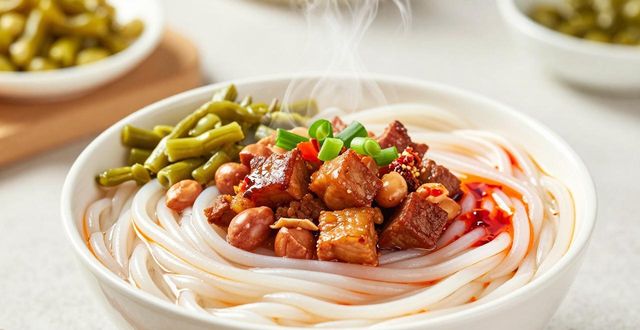
When you think of Guilin, the dramatic karst mountains and the Li River likely come to mind. But beyond the postcard scenery lies a local food culture that is just as captivating. Guilin local cuisine is a world of bold sour-spicy flavors, fresh river ingredients, and comforting rice noodles. Unlike the heavy oil and chili of Sichuan or the sweet touches of Cantonese cooking, Guilin dishes offer a unique balance of fermented sourness (from locally pickled vegetables), gentle heat, and the natural taste of the land. This guide will walk you through the must-eat dishes, where to find them, and how to eat like a true local.
The soul of Guilin rice noodles

For any visitor, starting with Guilin rice noodles is non-negotiable. This dish is the city’s breakfast and lunch staple,consisting of slippery, round rice noodles topped with a secret blend of spices, braised pork belly, peanuts, pickled long beans, fresh scallions, and a splash of chili oil. What makes it special is the “lu shui” – a master stock that each shop guards fiercely, often simmered for hours with over a dozen herbs and bones. You mix everything yourself at a small stall, adding sour beans or fried soybeans to your liking. Locals eat it standing up, slurping loudly – a sign of enjoyment. Don’t be shy; find a tiny shop with a long queue, and you’ll taste perfection.
Beer fish: a local legend from Yangshuo
Just a short drive from Guilin, the town of Yangshuo gave birth to Beer Fish, a dish that has become a signature of the region. Fresh carp or grass carp from the Li River is fried until crispy, then braised in a rich sauce of local beer, tomatoes, bell peppers, ginger, and garlic. The beer tenderizes the fish and adds a subtle malty sweetness without making it boozy. The result is a whole fish served in a large pan, its skin crackling and flesh falling off the bone. Order it at a riverside restaurant, and you’ll see why it’s beloved: the sauce is so good that you’ll want to spoon it over rice. Ask for less chili if you prefer mild, but the authentic version carries a gentle kick.
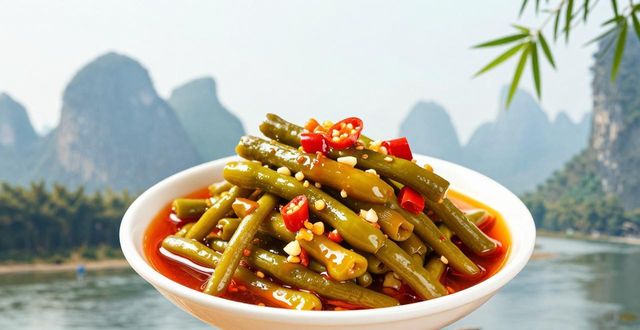
The sour-spicy charm of pickled vegetables
One element you’ll notice everywhere in Guilin local cuisine is the generous use of pickled vegetables, especially sour long beans and sour radish. This sourness is not vinegary sharp but a gentle, fermented tang that wakes up your palate. A classic example is “sour fish hot pot,” where slices of river fish are simmered in a broth loaded with pickled mustard greens, chili, and ginger. Another must-try is stir-fried beef with pickled long beans – the crunchy, sour beans cut through the richness of the meat perfectly. Locals believe this sourness helps digestion and cools the body in the humid summer. So when a dish tastes a bit sour and spicy at the same time, you’ve hit the heart of Guilin flavor.
Street food secrets you shouldn’t miss
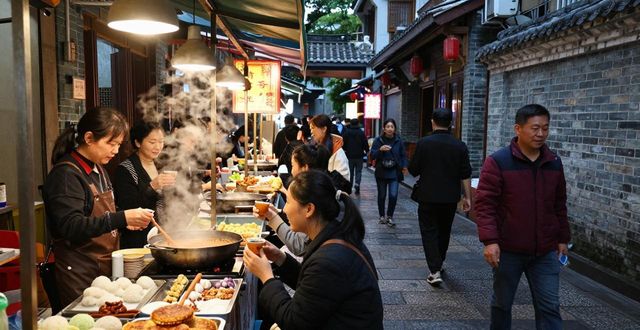
Beyond restaurant dishes, Guilin’s night markets and small alleys hide incredible street eats. Oil tea, a strong ginger-and-tea brew pounded with garlic and peanuts, is a morning ritual in the surrounding villages. It’s bitter, spicy, and warming – often served with sticky rice balls and rice crackers. For the adventurous, try “stuffed snails”: large river snails are cleaned, their meat minced and mixed with pork, mint, and spices, then stuffed back into the shells and steamed. You suck the filling out – messy but addictive. Also look for “mung bean cake” – a cool, sweet dessert that balances the heat. Always follow the crowds; a busy stall guarantees freshness. And remember to bring cash, as many vendors don’t take cards.
Have you ever tried a dish that uses beer as a key cooking ingredient? What’s the most surprising local food you’ve discovered on your travels? Share your story in the comments below, and don’t forget to like and share this guide with fellow food lovers!