
I’ve spent nine years chasing light through China‘s mountains, rice terraces, and old towns, and I keep finding the same truth: the places people photograph are no longer the places worth photographing. The crowds at Guilin’s main viewpoints and Zhouzhuang’s canals have become the actual subject. What follows are the quiet corners I actually shoot, where the frame still breathes.
## Where to find less crowded photography spots in China
The trick is to shift one province inland from the famous corridor. Instead of the Li River, head to the Ningwu Gorge in Guangxi’s rural south, where karst cliffs tower over water so still it mirrors everything without a single kayak in sight. The path in is a dirt road that turns most tour buses around. You’ll have the valley to yourself by seven in the morning, when the mist lifts just enough to catch the rock faces in warm gold.

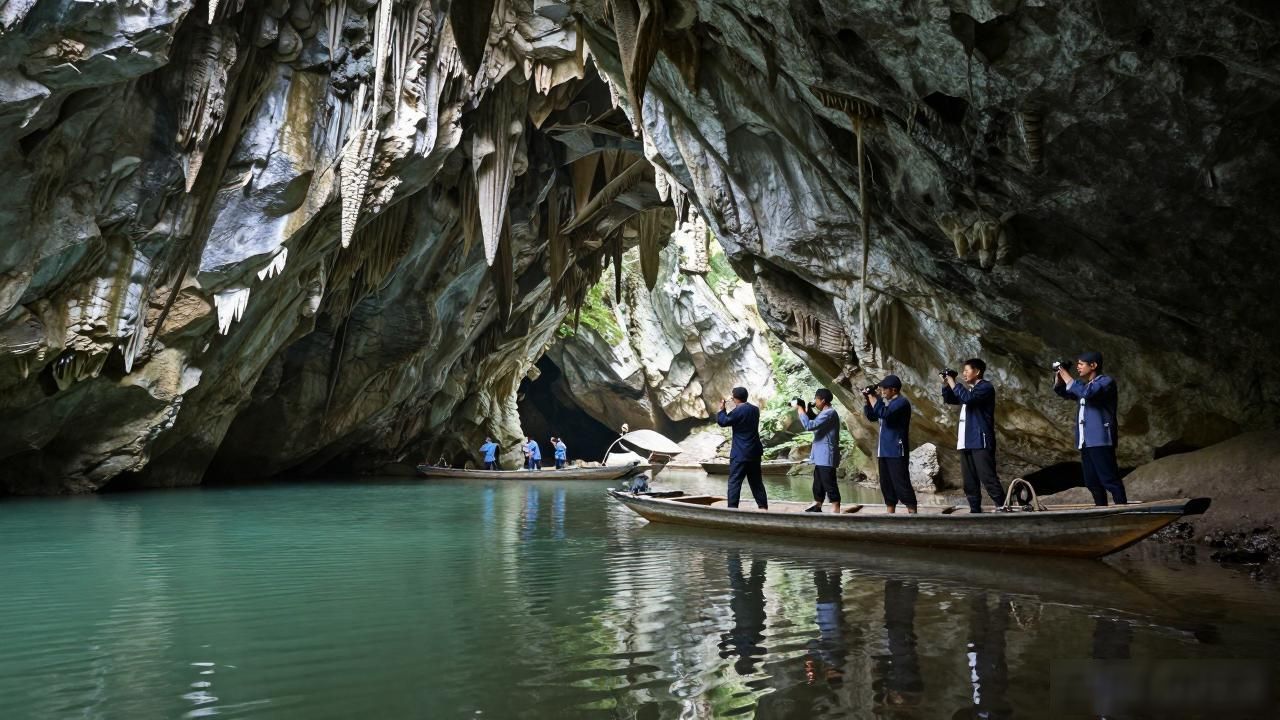
Zhejiang’s Shangshan karst caves work the same way. The mainstream crowds hit the Mogao Grottoes in Gansu, while the limestone grottos near Shangshan stay near-empty except for a handful of local fishermen who’ve been photographing their own boats for decades. The light inside those caves shifts through green and amber as the sun drops low, and you won’t see a single phone held up overhead.
Why most photography spots in China feel packed
The social media loop is relentless. A single viral post of a bamboo forest in Jiaxing sends five thousand phone-photographers to the same twenty-meter stretch of trail the next weekend. Official scenic-area maps push visitors through fixed routes, so the “best viewpoint” becomes a queue. I learned to check Xiaohongshu and Douyin trend data before any shoot, then deliberately plan the opposite side of the ridge or the back gate of the village.
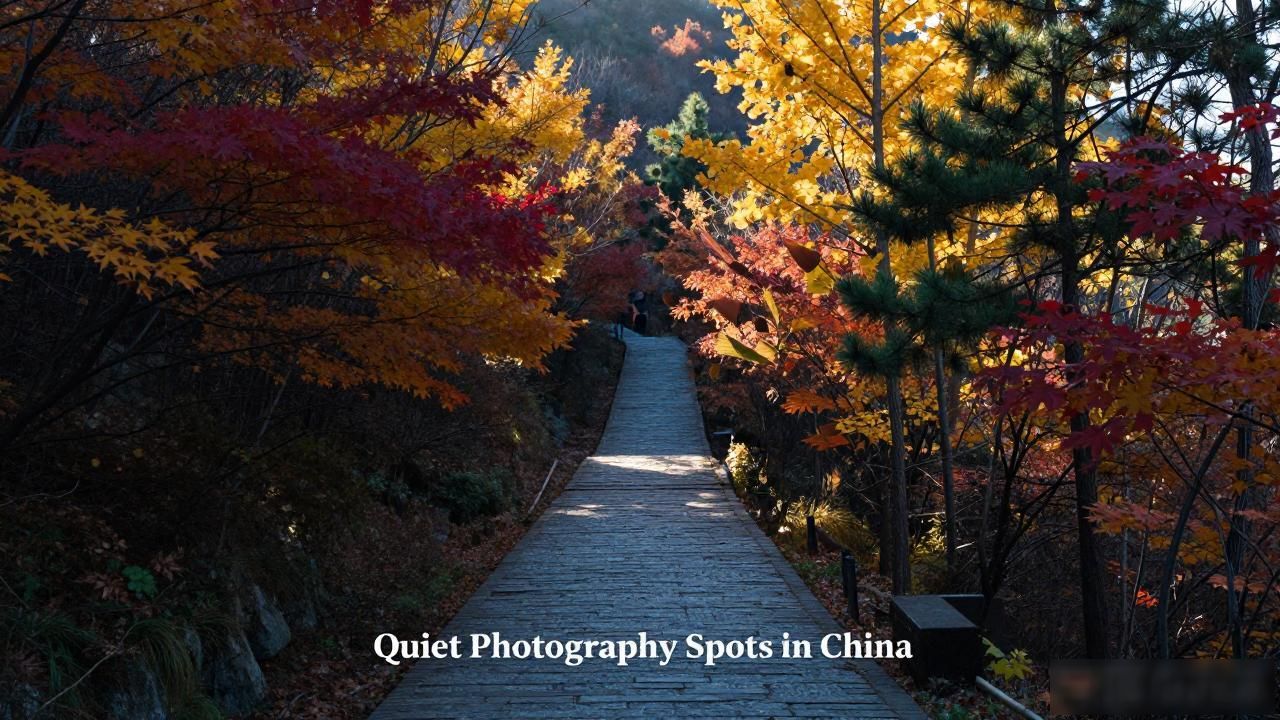
Seasonal flooding of domestic tourists around the May Day and National Day holidays makes even remote-looking spots feel like a subway car. If your schedule flexes, shoot in late November or February. The light is harder, colder, more dramatic, and the trailheads go quiet in a way that feels almost illegal.
How to beat crowds at China photography spots
I start at 4:30 a.m. in shoulder season and have the scene to myself before the first tour bus crests the pass. In Huangshan,the back entrance at Yungu Temple drops you onto a secondary ridgeline that the standard cable-car route skips entirely. By the time the crowds pile out of the east-side cable cars, I’m already three hours into golden hour at the west summit, packing up with a clean frame.
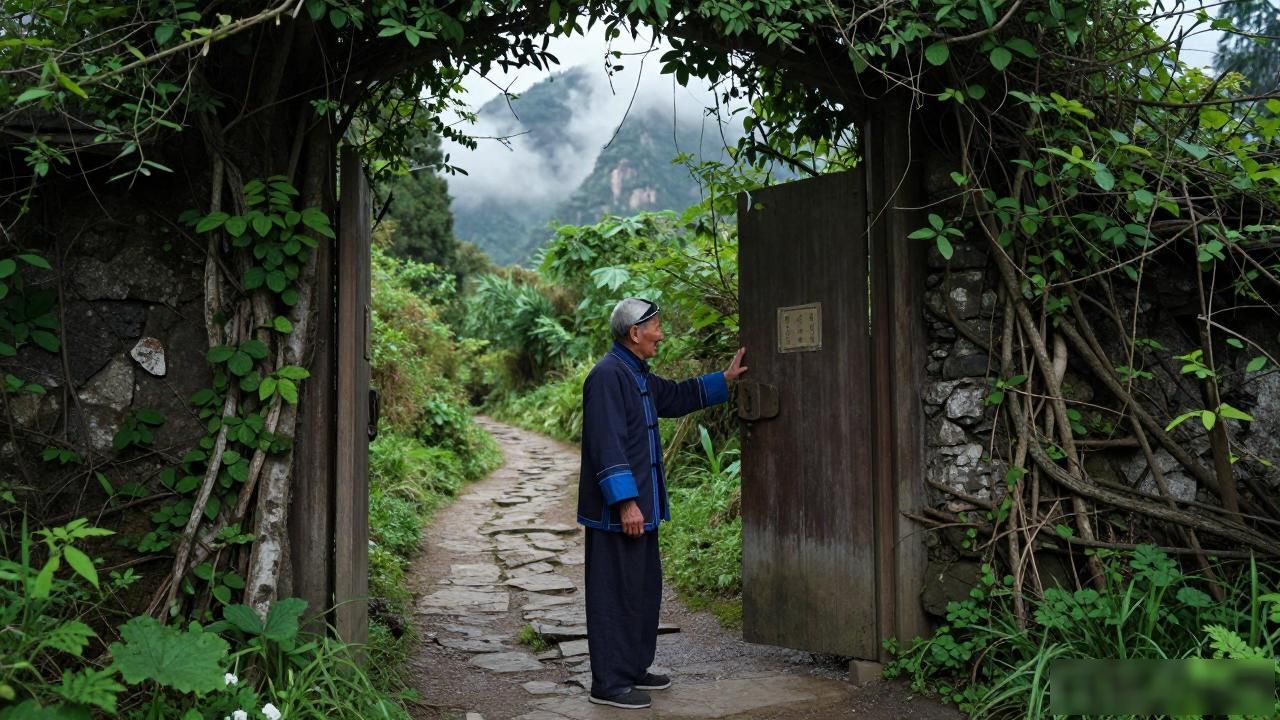
Learn the local dialect just enough to say “the quiet way around, please.” A nod to the gatekeeper who’s watched the same peak for thirty years will open a path no app has ever mapped, and that’s where the photographs actually start to breathe.
The frame clears when you walk the extra two kilometers, wait the extra forty minutes, or simply turn around. The best photo in China isn’t the one everyone else has. It’s the one you took where no one else was standing.