
WeChat Pay dominates everyday commerce across China, yet its transaction caps still catch people off guard. Whether you’re an expat remitting money to family back home or a small shop owner processing daily QR-code sales, knowing exactly where the ceiling sits saves real headaches. Below is a practical look at how WeChat payment limits function and the reasoning behind them.
Why WeChat payment limits exist

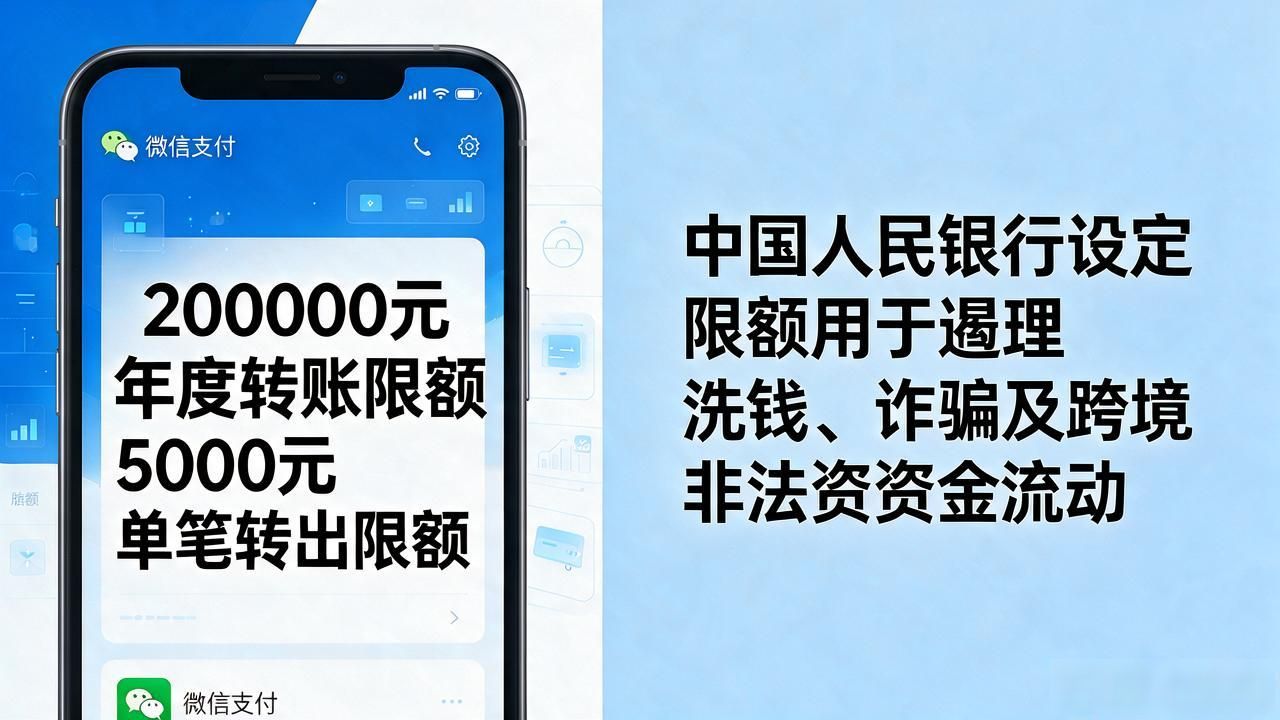
The People’s Bank of China set these caps to curb money laundering, fraud,and unregulated capital movement across borders. Every individual WeChat Pay account carries a 200,000-yuan annual transfer ceiling, and a single outgoing transfer tops out at 50,000 yuan. Those figures aren’t pulled from thin air—they sit where regulators judge the risk of a single user’s outflow could distort local liquidity or fund illicit schemes.
Foreign-issued credit and debit cards linked to WeChat face a tighter envelope. A single cross-border charge can’t exceed 2,000 yuan, and the cumulative annual cap for all cross-border spend lands at 100,000 yuan. A tourist grabbing bubble tea and swiping a metro card will never brush against that number, but anyone attempting to funnel a salary or settle a foreign loan through the app will hit a hard wall mid-transaction.
How WeChat payment limits apply
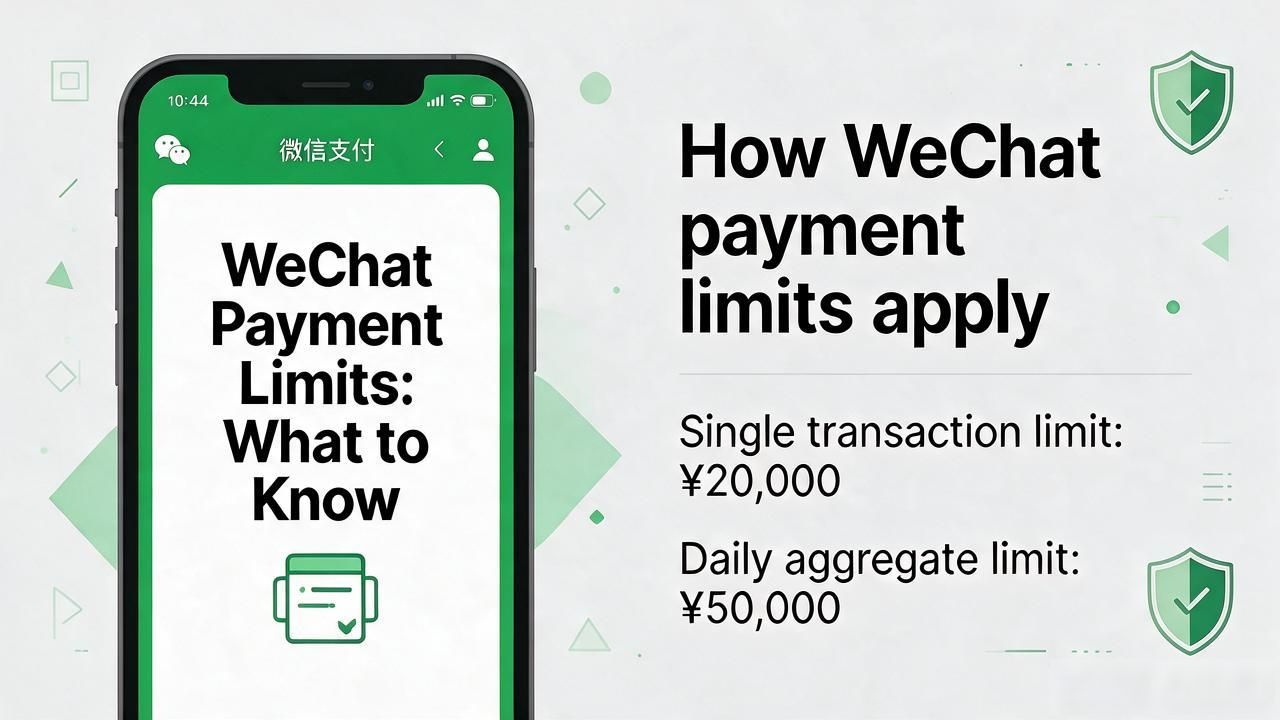
Your effective ceiling shifts by verification tier. Level 1 accounts, registered with just a phone number, sit under a 1,000-yuan daily payment cap. Complete real-name verification with a Chinese national ID and the account upgrades to Level 2, which strips away that daily constraint and routes you into the annual transfer framework instead. Plenty of newcomers assume their wallet works like a Western banking app and only discover the restriction when a 1,500-yuan restaurant bill bounces at checkout.

Merchant-side rules diverge. A small café accepting WeChat QR-code payments can process up to 2,000 yuan per transaction without triggering a system flag. Push past that threshold and the payment routes into a manual-review queue, adding 24 to 48 hours before the merchant’s balance actually updates. For high-ticket items like furniture or electronics, owners routinely split the charge across two codes to stay under the radar.
These thresholds get adjusted periodically, so pull up the Payment Settings tab inside the WeChat app before wiring anything substantial. The current figures live there, refreshed with every regulatory update.