
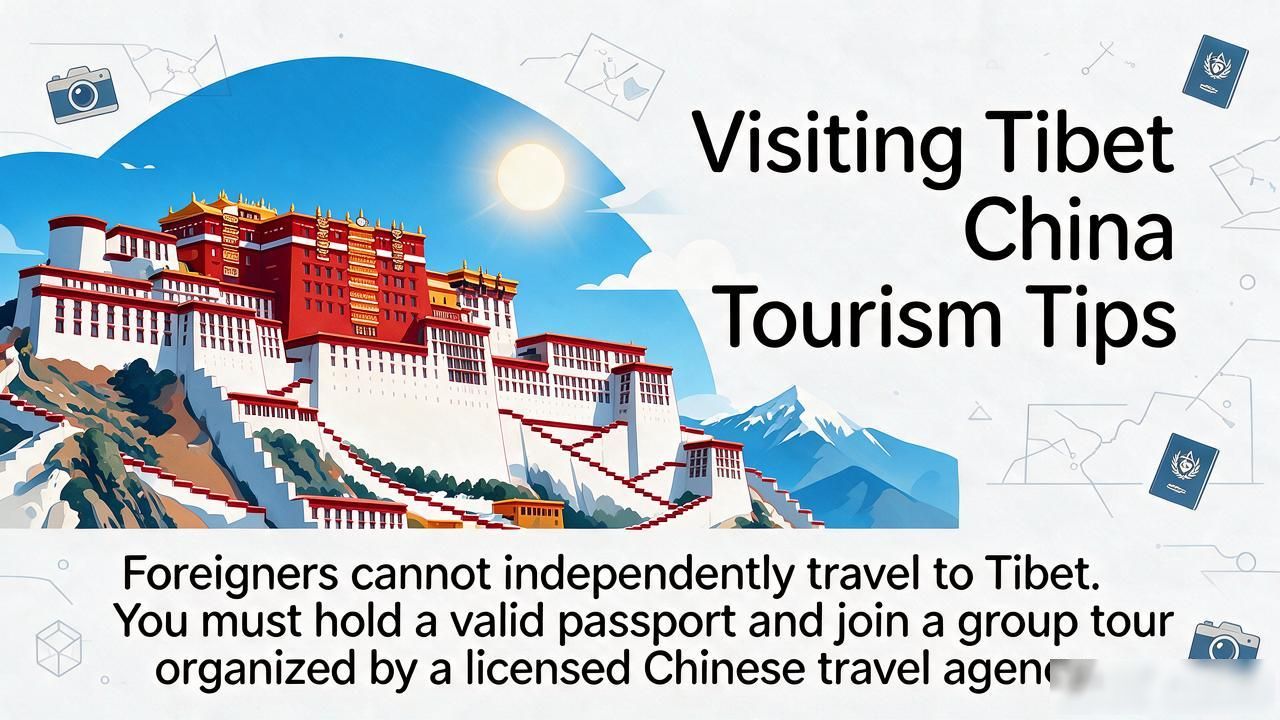
Tibetan areas in China have become one of the most sought-after destinations for international travelers in recent years. The plateau’s dramatic landscapes, thousand-year-old monasteries, and living Buddhist culture draw visitors from every corner of the globe. Before you book flights and start packing, understanding the practical realities of Tibetan areas China tourism will save you significant headaches and set the right expectations from day one.
Can foreigners do Tibet tourism

The short answer is yes, but not the way you’d visit India or Thailand. Foreigners are not permitted to travel Tibet independently. You must join a guided tour organized by a licensed Chinese travel agency. This regulation has been in place for decades and applies to all passport holders regardless of nationality. Solo backpacking, self-organized road trips, or unregistered “private” hires are strictly illegal within the Tibet Autonomous Region. Enforcement on the ground is real, not just a line in a rulebook.
The rule loosens slightly for ethnic Chinese minorities or people holding specific work or diplomatic permits, but for the average foreign visitor, a guided group or private tour remains your only legal path. Most agencies package 7 to 14-day itineraries threading through Lhasa, the Potala Palace, Shigatse, and Everest Base Camp in comfortable 4×4 vehicles with experienced drivers who know every altitude-adjusting stop along the way.
Tibet tourism permit requirements
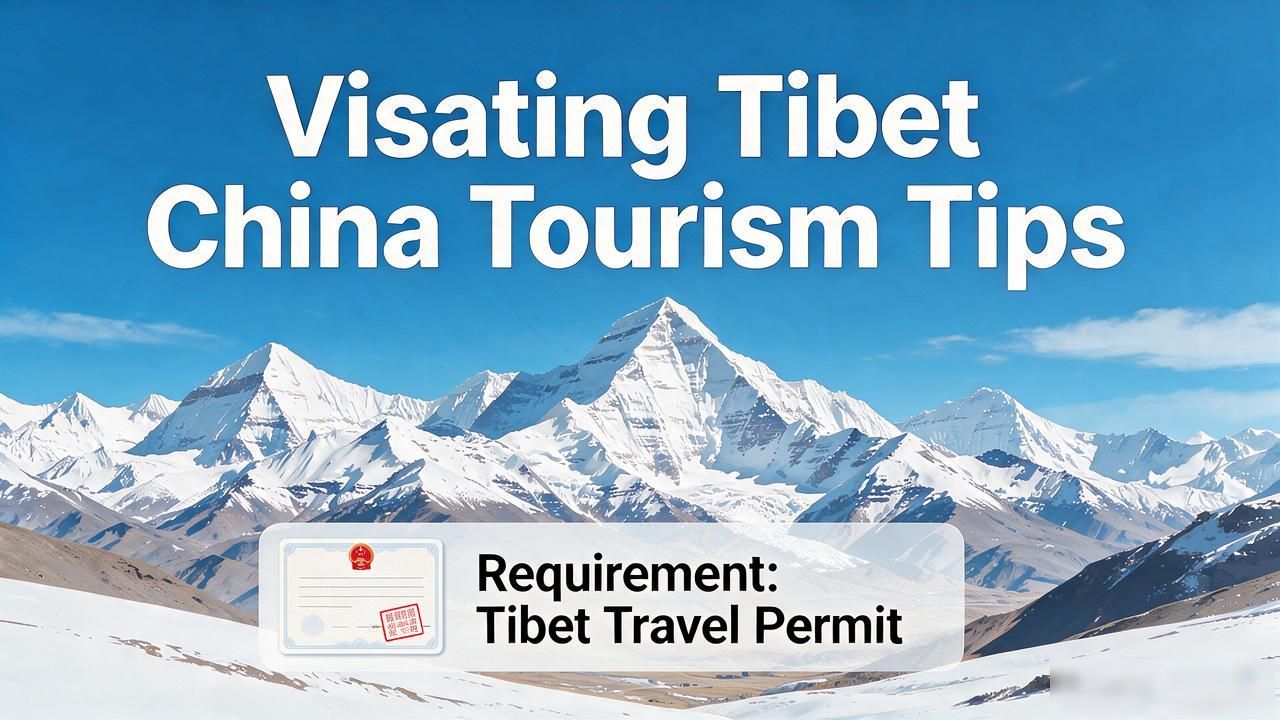
Two government-issued documents gatekeep your entire trip. The Group Tourist Permit (TTP), arranged by your agency through the Tibet Tourism Bureau, is tied to your exact route, dates, and group composition. The Foreigner Travel Permit (FTP), issued by local public security, authorizes travel beyond Lhasa’s city limits. Both are processed before you land in China. Verify with your agency in writing that both documents are actually handled, not just promised.

On top of that,you need a valid Chinese L visa from the embassy or consulate in your home country. State your travel purpose clearly, include Tibet in your itinerary declaration, and allow 4 to 5 working days for standard processing. Carry physical copies of every permit at all times. Checkpoints appear frequently on plateau roads and the officers stationed there do verify your papers, sometimes twice on the same stretch of highway.
The bureaucracy feels intimidating at first glance, yet tens of thousands of international visitors navigate it smoothly every spring and autumn. Book through a reputable agency early, let them handle the paper trail, and the roof of the world will open up in ways no guidebook can fully prepare you for.